Mastering Real-Time Freight Tracking for Modern Logistics
Monday, August 10 2026
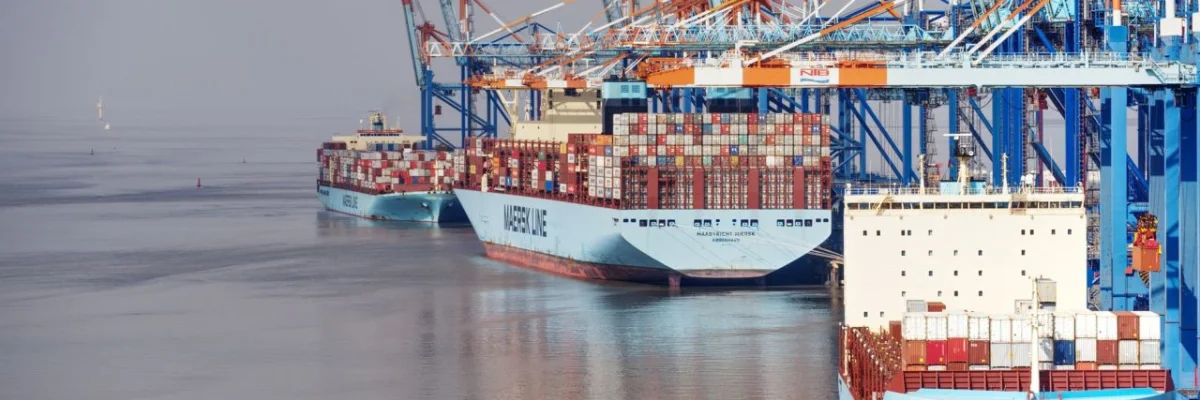
In the fast-paced world of international trade, the ability to provide accurate and real-time shipping updates is no longer a luxury but a fundamental necessity for freight forwarders. Clients now demand complete visibility into their supply chains, from the moment a container departs the warehouse until it reaches its final destination. By leveraging advanced digital platforms, professionals can minimize disruptions, proactively manage potential delays, and build long-term trust with their partners. As global commerce becomes increasingly complex, adopting robust tracking solutions is the primary way forward for companies looking to maintain a competitive edge in the volatile logistics landscape.
Optimizing Shipment Visibility
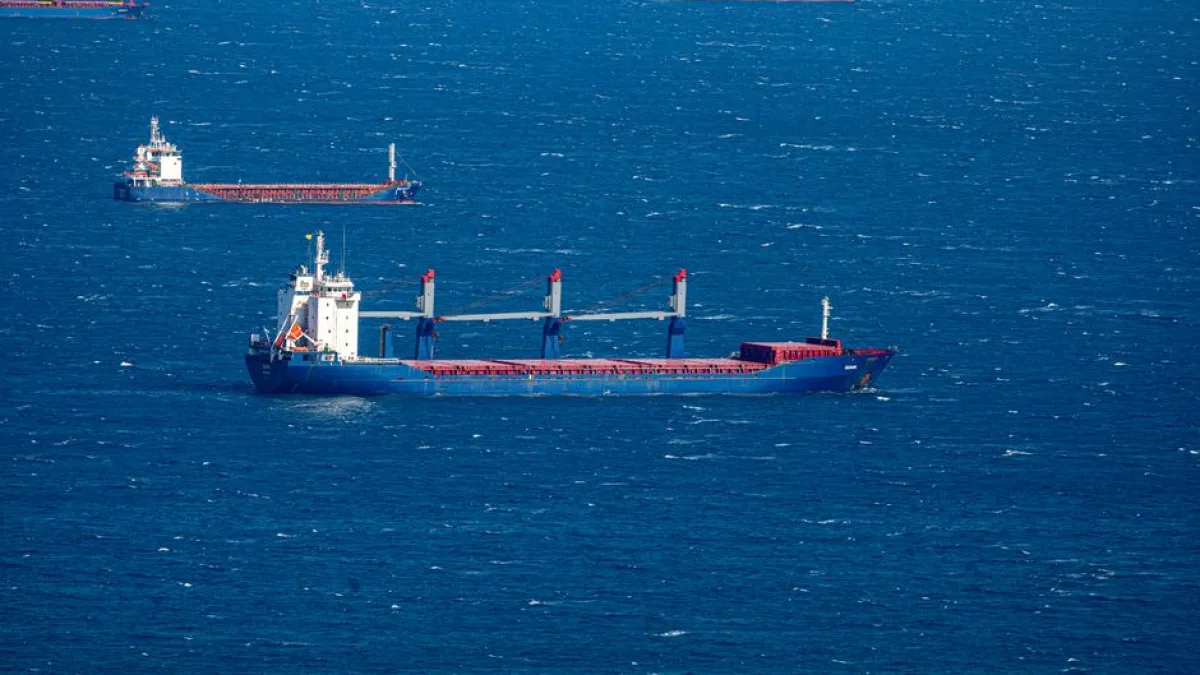
Modern freight forwarding relies on clear visual data to maintain oversight of diverse international routes. By integrating automated tracking sensors and software, logistics teams can monitor the exact location of goods, ensuring that every shipment moves efficiently through complex maritime and terrestrial networks.
- Data accuracy matters: Integrating real-time GPS data with your central freight management system ensures that every update provided to your client is precise and removes manual entry errors.
- Proactive delay alerts: Automated notification systems allow your team to identify transit issues early, giving you the necessary time to reroute shipments before they become costly service failures.
- Centralized tracking dashboard: Consolidating multiple carrier data streams into a single interface reduces the time spent switching between websites and provides a holistic view of your operations.
- Client self-service portals: Providing your customers with direct access to a tracking portal reduces the volume of manual status inquiries and empowers them with immediate information.
Achieving total visibility is not just about keeping clients happy, it is about streamlining your own internal workflows. When your staff spends less time chasing updates from carriers, they can dedicate more energy to high-value tasks like rate negotiations and strategic planning. Investing in the right technology ensures that your operations remain scalable while you provide the high-quality service levels that modern shippers expect.
Leveraging Automated Status Updates

Automated status notifications are the backbone of efficient freight communications today. By removing manual email updates, logistics companies can provide instantaneous status changes directly to the stakeholders, significantly improving the overall customer experience and reducing the administrative burden on your internal team.
- Automated status triggers: Set specific milestones in your software that automatically update shipment status, keeping all relevant parties informed without requiring manual intervention from your logistics coordinators.
- Custom notification rules: Create personalized alert settings that cater to the unique requirements of your key accounts, ensuring they only receive the information that is most relevant.
- Seamless carrier integration: Use robust APIs to sync tracking data directly from carrier systems, which eliminates the need for manual status polling and keeps your records updated.
- Historical data tracking: Store every status update within a permanent record, allowing your team to perform deep analysis on carrier performance and identify consistent transit bottlenecks.
By shifting to an automated notification model, you fundamentally change how your business operates. The reduction in manual status checks frees up your staff, allowing them to focus on resolving complex logistics hurdles rather than handling routine inquiries. This digital transformation improves data consistency across your organization, which builds a strong foundation for future growth while ensuring that every shipment remains fully accounted for.
Managing Exceptions Effectively

Every experienced forwarder knows that unexpected disruptions are inevitable in global supply chains. Effectively managing these exceptions requires a data-driven approach that identifies problems as soon as they arise, allowing for quick adjustments that minimize the impact on your customers and their bottom lines.
- Exception management workflows: Develop standard operating procedures that trigger specific tasks whenever a shipping exception occurs, ensuring that all team members know their roles during crisis.
- Early risk detection: Utilize predictive analytics tools that monitor weather patterns, port congestion, and political instability to forecast potential risks before they cause major shipping delays.
- Collaboration platforms: Ensure your team uses a shared platform to communicate during exception management, which prevents information silos and keeps every agent aligned during recovery.
- Client contingency communication: Draft proactive messaging templates that explain the situation clearly to your clients, which demonstrates your commitment to transparency even when things go wrong.
Effectively handling exceptions is a hallmark of a professional freight forwarder. Rather than reacting to problems as they spiral out of control, you can use these digital tools to stay in front of disruptions. This proactive methodology transforms a potential customer complaint into an opportunity to showcase your reliability and expertise, ultimately cementing your reputation as a trusted partner in a turbulent market.
Scaling Through Cloud Software

Moving your operations to a cloud-based environment is the most efficient way to scale your logistics business. Cloud platforms offer the flexibility needed to handle increased shipment volumes while ensuring that your tracking and management data remains accessible to your global team at any time.
- Global accessibility benefits: Your staff can access live shipment data from any location, which supports remote work environments and ensures continuity across different time zones worldwide.
- Scalable data storage: As your freight volumes increase, cloud systems grow alongside your needs, providing the necessary bandwidth to support your tracking efforts without major overhead.
- Enhanced data security: Leading cloud providers offer sophisticated security protocols that protect your sensitive shipment data against cyber threats, keeping your business and client information safe.
- Continuous feature updates: Modern SaaS platforms release frequent software updates, ensuring you always have access to the latest freight tracking features without requiring complex manual installations.
Choosing the right cloud infrastructure is a critical decision for any forwarder looking to modernize. It removes the limitations of legacy desktop software and empowers your team with a platform that is ready for the future. By embracing these digital solutions, you position your logistics company to handle the evolving demands of global trade while delivering consistent, high-quality results to every single customer.
Conclusion

The future of shipping and tracking is clearly defined by transparency and automation. By adopting advanced freight management software, you can provide the visibility clients demand while significantly optimizing your own internal processes. Success in this industry requires a commitment to digital tools that reduce human error and improve communication. Start refining your tracking strategy today to ensure long-term growth and operational excellence.