Mastering Real-Time Freight Tracking for Modern Logistics
Friday, August 14 2026

In the fast-paced world of international trade, the ability to provide accurate and real-time shipping updates has become the defining characteristic of a top-tier freight forwarder. Customers now demand complete visibility into their supply chains, moving away from manual status checks toward instant, data-driven transparency. By leveraging modern cloud-based software, logistics professionals can reduce operational friction and provide proactive solutions to potential delays. This evolution in tracking technology not only boosts client retention rates but also optimizes internal workflows, ensuring that your business remains competitive and agile in a global market that never sleeps or slows down.
The Evolution of Visibility
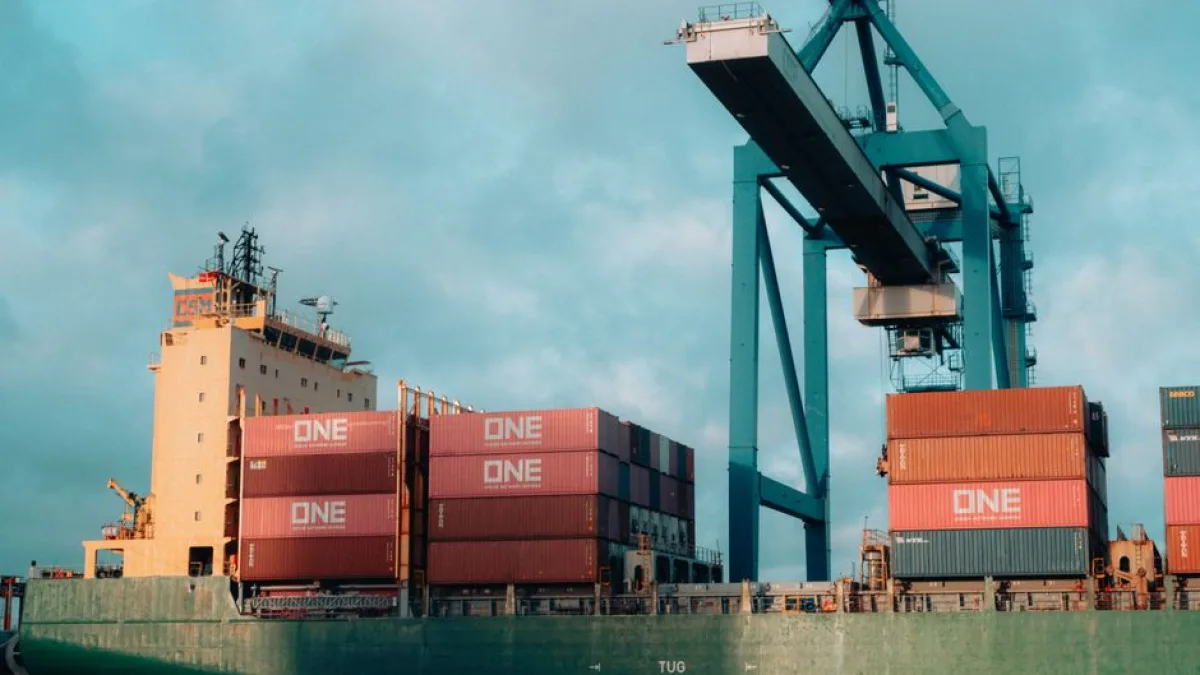
Digital transformation has shifted freight tracking from sporadic phone calls to comprehensive, automated monitoring systems. Logistics providers now leverage satellite data and IoT devices to ensure every container is accounted for across its journey from the factory floor to the final warehouse.
- Automated Status Updates: Modern software platforms automatically push status changes to clients without manual intervention, saving hours of administrative work and reducing the potential for human error in reporting.
- Satellite Tracking Integration: By connecting directly with carrier data feeds, freight forwarders provide granular location details, allowing teams to anticipate arrivals and manage vessel movements with pinpoint, high-level accuracy.
- Predictive Arrival Forecasting: Using advanced algorithms to analyze current transit trends, systems generate reliable arrival estimates that account for port congestion, seasonal weather patterns, and unexpected terminal delays.
- Client Portal Transparency: Providing a centralized web interface allows customers to access their shipping data independently, which reduces incoming inquiry volumes and fosters long-term professional trust and reliability.
As the industry continues to integrate smarter tools, the reliance on outdated manual spreadsheets is fading away. Adopting these advanced tracking capabilities allows you to focus on high-value logistics challenges rather than answering repetitive status queries. This proactive approach to data management empowers your team to handle complex disruptions with confidence while ensuring your clients always receive the high quality service they expect today.
Optimizing Port Congestion Management
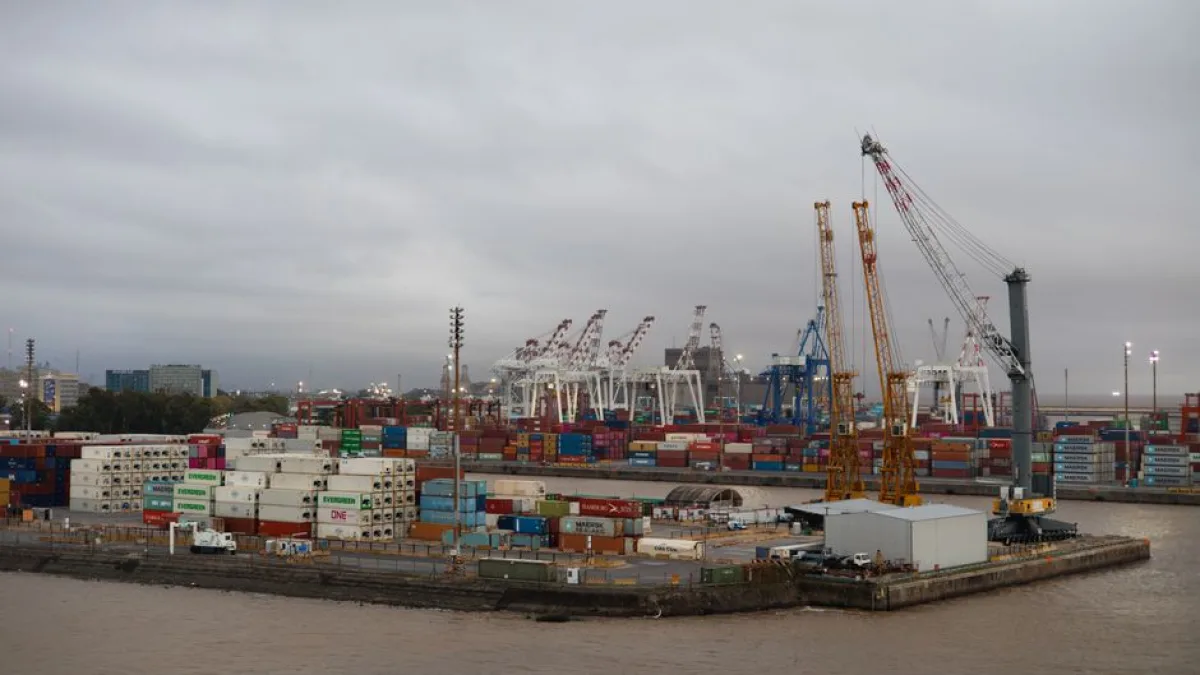
Navigating modern port congestion requires a proactive strategy that utilizes real-time data to avoid bottlenecks. When vessels are anchored offshore, smart freight forwarders analyze port performance metrics to reroute shipments or adjust landside transport schedules to minimize impact on supply chains.
- Proactive Delay Alerts: Instant notifications enable operations teams to notify warehouse managers about inbound delays, allowing for effective labor rescheduling and avoiding costly demurrage and detention fee charges.
- Alternative Route Mapping: Software tools allow forwarders to identify secondary ports or logistics corridors, offering clients faster transit options when primary ports face extreme congestion or labor strikes.
- Terminal Performance Metrics: Accessing live data on crane productivity and container dwell times helps your team choose the most efficient discharge points for urgent customer shipments and cargo.
- Landside Coordination Tools: Integrating with trucking dispatch systems ensures that drayage partners are notified precisely when cargo is cleared, preventing wasted trips to the port during peak congestion.
Managing the unpredictable nature of port operations demands a balance between technology and experienced human oversight. By maintaining a constant flow of communication with terminal operators and using predictive software, you can effectively navigate the complexities of global shipping ports. This strategic foresight protects your bottom line and ensures that your clients stay informed even during the most difficult of logistical disruptions.
Leveraging Automated Documentation Flows

Streamlining documentation is essential for seamless tracking, as customs delays often stem from paperwork errors rather than transit issues. Automated systems ensure that all required shipping documents are validated and transmitted electronically, keeping cargo moving through borders without unnecessary stops or long waits.
- Document Validation Checks: Automated software flags missing information or incorrect codes in shipping manifests, preventing customs rejection and ensuring that all regulatory requirements are met before arrival times.
- Integrated Customs Filing: Direct connectivity between your freight platform and customs authorities allows for paperless filing, which significantly speeds up the clearance process for all your incoming shipments.
- Digital Document Storage: Centralized cloud storage keeps historical files accessible, allowing your team to retrieve crucial proof of delivery documents instantly during audits or future client disputes.
- Instant Compliance Updates: Systems provide real-time alerts on changing international trade regulations, ensuring that all your documentation remains compliant with the latest rules for each specific global destination.
Efficiency in documentation is the quiet hero of effective freight management and smooth global trade. By removing manual data entry from the equation, you enable your team to prioritize accuracy and speed. This digital shift minimizes the chance of costly paperwork delays, creating a reliable and predictable shipping experience for your clients while positioning your firm as a modern leader in the industry.
Enhancing Customer Communication Strategy

Clear communication is the foundation of every strong client partnership, especially when navigating global logistics challenges. Modern tracking software facilitates this by providing transparent, easy to understand reporting features that keep all stakeholders aligned on the status of their cargo throughout the entire shipment lifecycle.
- Branded Tracking Interfaces: Customizing tracking portals with your own company logo and color scheme reinforces brand identity and provides a professional experience for every single one of your customers.
- Automated Notification Triggers: Set personalized alert thresholds so clients only receive messages that matter to them, preventing inbox fatigue and ensuring that important updates remain a high priority.
- Collaborative Comment Features: Dedicated messaging modules within the tracking platform allow for direct discussion between clients and your team, ensuring that all communications stay organized in one place.
- Performance Reporting Dashboards: Sharing automated monthly reports with clients highlights your efficiency, demonstrating the value you provide and simplifying business reviews for your most important enterprise level accounts.
Building a robust communication strategy requires more than just sending emails, as it involves creating an ecosystem of transparency and trust. By providing clients with a self-service portal and clear automated updates, you reduce friction and improve overall customer satisfaction levels. This high level of service will help you differentiate your freight forwarding business in an increasingly crowded and competitive marketplace.
Conclusion
Mastering modern shipping and tracking is essential for forwarders who want to thrive in the current digital landscape. By embracing automation, visibility tools, and proactive client communication, you can build a more resilient and efficient logistics operation. Start evaluating your current software stack today to identify gaps and ensure you are delivering the high level of service that your global clients rightly demand.