Mastering Real-Time Freight Tracking for Modern Logistics
Sunday, August 16 2026
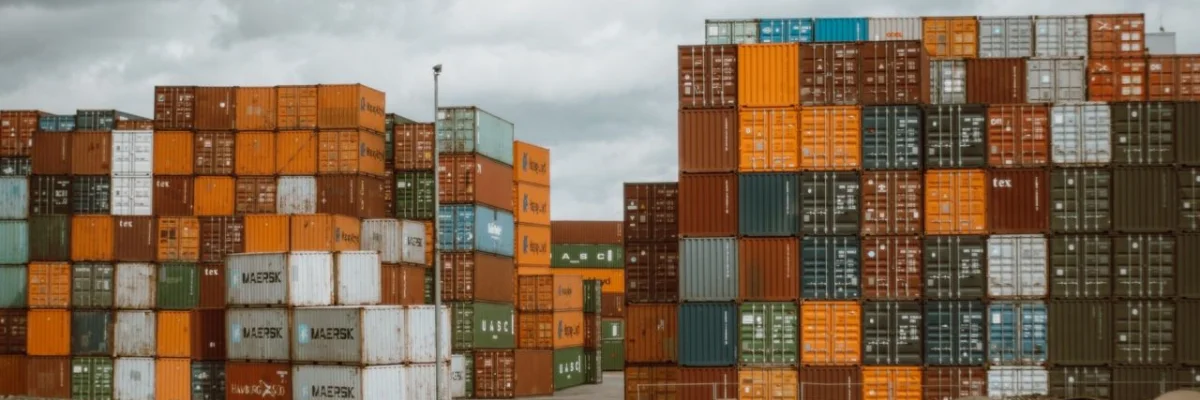
In the fast-paced world of international trade, the ability to provide accurate and immediate shipping data is the ultimate competitive advantage for freight forwarders. Clients no longer accept vague estimates; they demand granular visibility into every stage of their supply chain. As global logistics networks become increasingly complex, leveraging advanced tracking technology is essential to maintain operational efficiency and customer trust. By integrating sophisticated digital platforms, forwarders can proactively manage exceptions and offer the transparency necessary to thrive in a crowded market. Transforming data into actionable insights is now the primary driver for sustainable growth within the freight forwarding industry.
The Importance of Digital Visibility
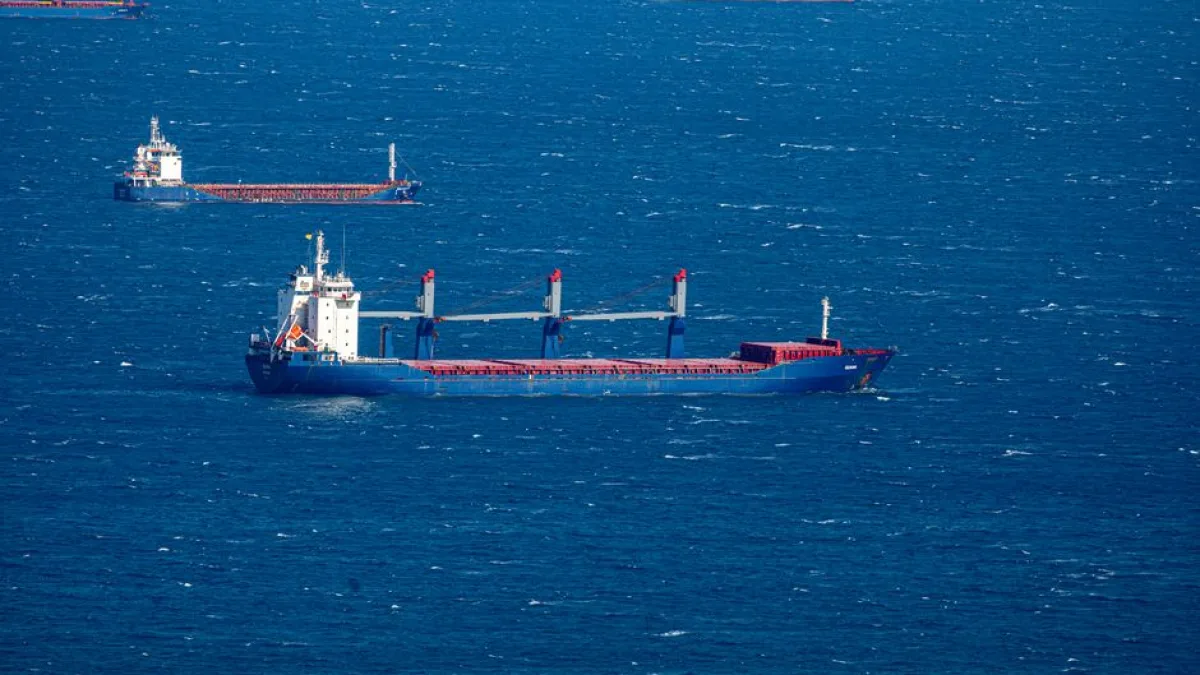
Digital visibility tools transform how forwarders interact with cargo movements by replacing manual status checks with automated data streams. This shift allows teams to monitor complex shipments across multiple continents from a single, centralized cloud-based interface for maximum accuracy.
- Data Centralization Benefits: Integrating all tracking data into one platform prevents information silos while ensuring that every team member has access to the latest status updates and carrier documents.
- Proactive Exception Management: Automated alerts notify forwarders immediately when delays occur, allowing for rapid rerouting or communication with clients before the issue impacts their production schedules or bottom lines.
- Enhanced Client Experience: Providing stakeholders with a branded customer portal increases transparency and builds long-term loyalty by empowering them to access real-time information whenever they need it most.
- Operational Cost Reduction: Automating routine status inquiries significantly decreases the time staff spend on phone calls and email requests, freeing them to focus on high-value business tasks.
Adopting digital visibility is no longer an optional upgrade but a fundamental requirement for forwarders looking to remain relevant. Clients expect instant updates and proactive solutions whenever transit hurdles appear in their supply chains. By investing in tools that prioritize clear data visualization and automated status reporting, companies significantly reduce their administrative burdens while simultaneously improving the overall quality of service provided to international partners.
Optimizing Ocean Freight Tracking
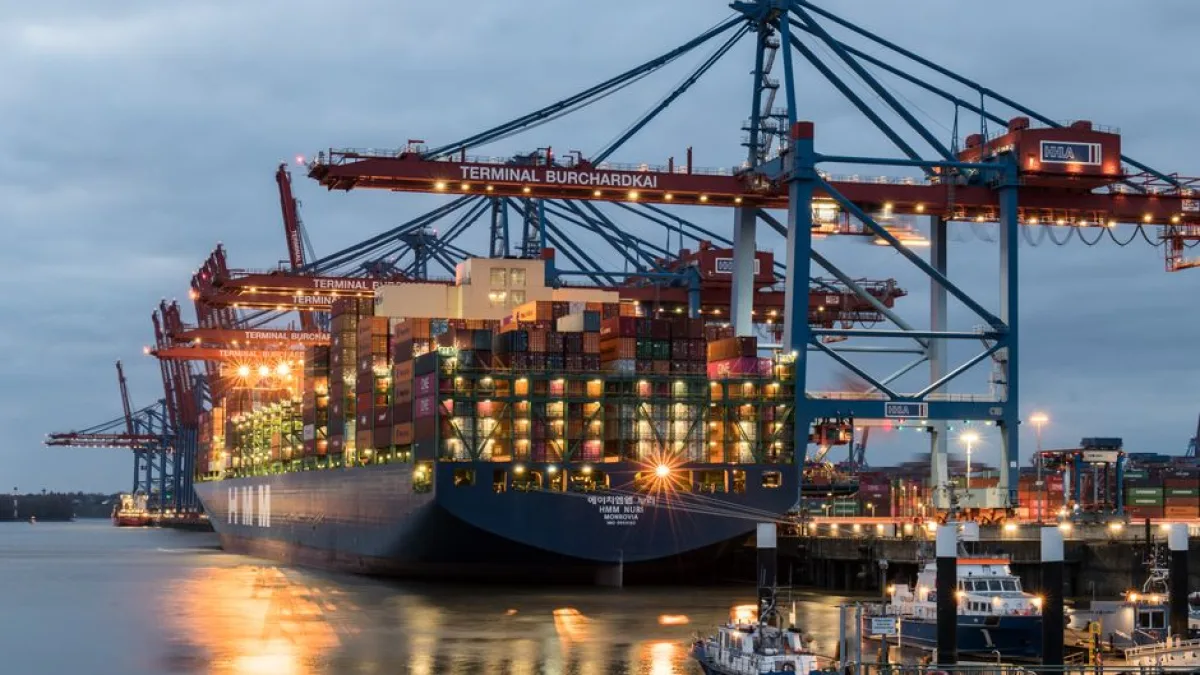
Ocean freight remains the backbone of global commerce, yet it is often plagued by opaque transit times and port congestion. Enhanced tracking technologies provide the precision needed to navigate these maritime complexities while maintaining clear communication regarding vessel arrivals and departures.
- Precise ETA Predictions: Advanced predictive analytics use historical weather data and vessel speeds to provide customers with highly accurate estimated arrival times for their maritime cargo shipments.
- Port Congestion Monitoring: Real-time insights into terminal operations help teams anticipate potential bottlenecks at major hubs, ensuring that downstream land transport is scheduled with maximum logistical efficiency.
- Document Management Integration: Linking digital tracking directly with essential shipping documents ensures that all necessary customs paperwork is processed before the vessel even arrives at the berth.
- Carrier Performance Analysis: Tracking metrics over time allows forwarders to compare different ocean carriers and optimize their future shipping routes based on historical reliability and speed.
Ocean freight operations require a level of foresight that only advanced tracking systems can provide. As maritime shipping lanes face ongoing volatility, the ability to anticipate delays allows forwarders to suggest alternative routes or port arrivals to their clients. This level of technical proficiency transforms a standard service provider into a strategic partner capable of mitigating risks throughout the entire long-haul maritime transport cycle.
Leveraging GPS for Inland Transport

Inland transport tracking provides the final link in the supply chain, ensuring that cargo completes its journey from port to final destination without incident. GPS-enabled tracking devices offer the precision required to monitor local deliveries and manage last mile logistics effectively.
- Real-Time Location Tracking: GPS hardware installed on trucks provides live coordinates that give dispatchers and clients a clear view of exactly where their goods are currently located.
- Geofencing Alert Systems: Automated notifications trigger whenever a truck enters or exits a predefined zone, helping teams track deliveries and arrivals at warehouses with high precision levels.
- Driver Performance Insights: Monitoring route adherence and speed patterns ensures that cargo is handled safely while also identifying opportunities for fuel savings and improved delivery speed.
- Improved Security Measures: Instant access to vehicle location provides peace of mind for high-value shipments and allows for rapid intervention in the event of unauthorized route deviations.
The last mile represents the most critical phase for customer satisfaction in the entire shipping process. When forwarders utilize real-time GPS data to keep clients informed about inland movements, they eliminate the anxiety associated with final delivery windows. This focus on local visibility ensures that the entire logistical chain remains synchronized, ultimately leading to faster turnarounds and fewer complaints regarding delivery timing or safety.
Scaling Operations with Automation

Automation is the catalyst for scaling freight forwarding operations without proportionally increasing staff numbers. By automating manual status updates and tracking requests, companies can manage a much higher volume of shipments while maintaining high standards for precision and speed.
- Automated Notification Triggers: Configuring systems to send updates based on specific milestones ensures that clients receive timely information without requiring constant manual intervention from your logistics staff.
- Seamless System Integration: Connecting tracking platforms with existing accounting or ERP software reduces redundant data entry and creates a single source of truth for all teams.
- Scalable Workflow Design: Automated processes enable forwarders to handle thousands of shipments simultaneously, supporting business growth and allowing for easier expansion into new global shipping markets.
- Error Reduction Strategies: Removing manual data entry points significantly lowers the risk of human error in tracking records, resulting in cleaner data and more reliable reporting.
Automation empowers forwarders to handle the increased complexity of modern global logistics with confidence. By delegating repetitive tasks to intelligent software, your team can pivot their focus toward strategic decision making and relationship management. This scalable approach creates a robust infrastructure that supports long-term growth and ensures that your service delivery remains consistent regardless of how large your shipment volumes become each year.
Conclusion
Modern freight forwarding success relies heavily on the ability to master visibility across all shipping modes. By integrating automated tracking, ocean precision, and GPS-enabled land transport, forwarders provide the transparency clients demand. Embracing these digital tools reduces operational costs, enhances customer satisfaction, and builds a foundation for scalable growth. Start optimizing your tracking capabilities today to stay ahead in this competitive logistics environment.