Mastering Real-Time Freight Tracking for Modern Logistics
Saturday, August 29 2026

In the fast-paced world of international trade, the ability to provide real-time visibility is no longer a luxury but a fundamental necessity for freight forwarders. Clients demand instant updates regarding their cargo status, from the moment of pickup to the final delivery at the warehouse destination. This shift towards hyper-transparency requires digital tools that integrate seamlessly with carrier systems, offering actionable insights and reliable data streams. By embracing advanced software solutions, logistics professionals can reduce uncertainty, mitigate risks, and build lasting trust with their partners while maintaining a competitive edge in a globalized and highly volatile shipping market.
Optimizing Shipment Visibility
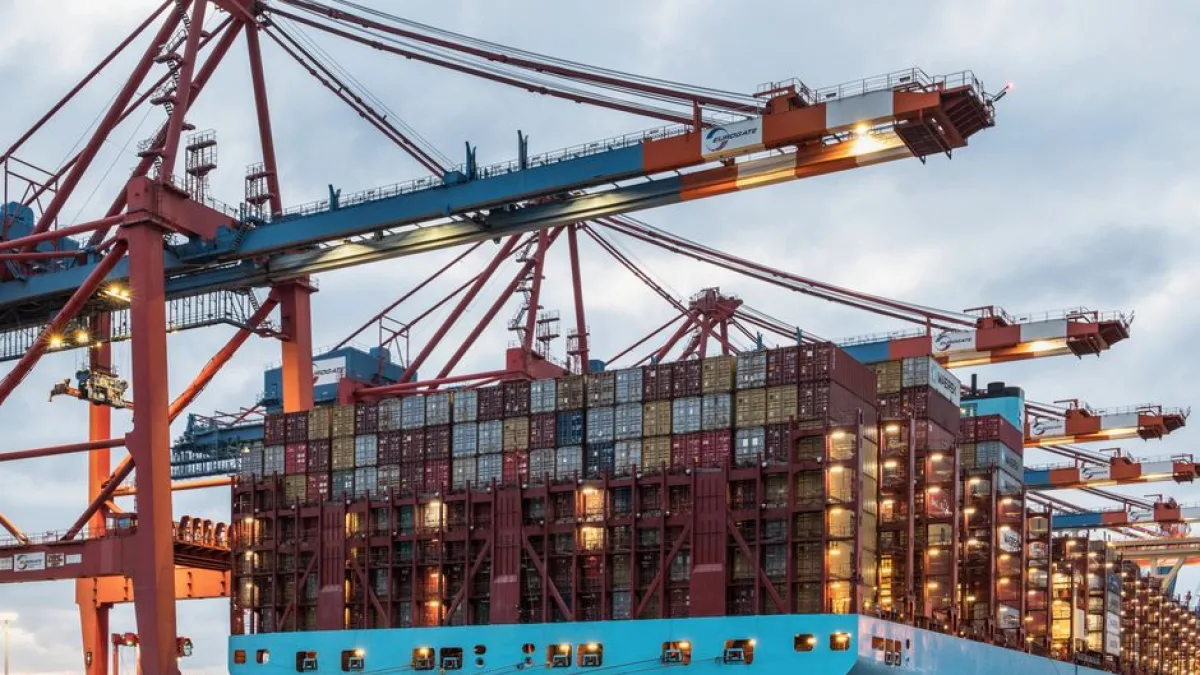
Digital visibility transforms how forwarders handle complex supply chain movements by providing constant location updates. Real-time data feeds reduce the need for manual check-ins, allowing your team to focus on strategic planning instead of chasing information from external shipping lines or carriers.
- Automated status updates: Receive instant notifications regarding vessel arrivals and departures, ensuring your team proactively manages delays before they impact the final delivery schedule for your valuable cargo customers.
- Carrier system integration: Seamlessly connect your software platform with global ocean and air carriers to pull live tracking data directly into your dashboard without manual data entry.
- Exception management alerts: Configure custom triggers that notify your operations team immediately if a shipment deviates from its planned route or hits an unexpected customs clearance hold.
- Client portal access: Empower your customers with self-service tracking links that provide accurate arrival estimates, reducing the volume of status inquiry emails your team handles daily.
Implementing these visibility tools creates a foundation of transparency that simplifies daily workflows. When your operations staff spends less time requesting status updates, they can dedicate more energy to resolving complex logistics issues. This operational shift drives efficiency across your entire organization, ultimately leading to higher customer satisfaction levels and more stable relationships with your international shipping clients who demand reliable, timely communication at every step.
Leveraging Predictive Analytics

Predictive tools analyze vast amounts of shipping data to forecast potential bottlenecks or delivery delays before they occur. These systems utilize historical performance records to help you make informed decisions, ensuring that every shipment moves efficiently through global transit points today.
- Historical trend analysis: Evaluate the performance of different carriers over time to identify which shipping routes offer the most reliability and cost efficiency for your specific needs.
- Congestion forecasting models: Use intelligent algorithms to predict port or terminal congestion patterns, allowing your team to re-route cargo through alternative gateways to avoid costly service disruptions.
- Dynamic arrival estimation: Improve the accuracy of your ETAs by accounting for external factors like weather conditions, labor strikes, or seasonal volume fluctuations that impact transit speed.
- Proactive risk mitigation: Identify high-risk shipments early in the transit process to apply preventive measures that protect the cargo and maintain your commitment to delivery deadlines.
Data-driven logistics enables you to anticipate problems rather than just reacting to them after they happen. By utilizing these advanced predictive models, you gain a massive advantage over traditional shipping methods that lack foresight. Forwarders who adopt these tools find that they can provide superior service levels that protect the bottom line, ensuring that every single shipping operation proceeds with maximum possible efficiency.
Enhancing Customer Communication

Clear communication is the heartbeat of a successful freight forwarding operation, particularly when handling high-value goods. Providing proactive updates to clients turns a standard service into a partnership, fostering loyalty while minimizing the friction often associated with complex global logistics processes.
- Automated email notifications: Send professional, branded status updates to clients automatically when a shipment reaches key milestones, ensuring they always stay informed without human intervention requirements.
- Customized alert settings: Allow your clients to choose the frequency and type of updates they receive, giving them control over their own internal logistics reporting structures.
- Centralized document sharing: Link critical shipping documents like bills of lading directly to tracking pages so clients can access essential information whenever they need it most.
- Unified messaging tools: Integrate communication channels directly into your software platform to keep all discussions regarding a specific shipment in one organized and searchable digital location.
When you prioritize clear and frequent communication, you set your business apart from competitors who rely on outdated manual reporting methods. Providing clients with immediate access to their data builds immense confidence in your professional services. This approach not only prevents unnecessary customer service inquiries but also establishes your brand as a reliable and transparent leader in the complex world of global freight.
Streamlining Global Logistics Workflows

Effective workflows require software that unifies tracking data with documentation and invoicing processes. By creating a single source of truth, you eliminate errors and speed up the entire transit lifecycle, ensuring that cargo moves through borders and terminals with minimal bureaucratic interference.
- Centralized data management: Store all shipment details, tracking records, and essential customs documents in one secure cloud environment that is accessible to your team from anywhere.
- Customized reporting dashboards: Create visual reports that highlight the most important metrics for your operations team, allowing for rapid assessment of overall supply chain health daily.
- Seamless software connectivity: Link your tracking software with your accounting and invoicing tools to ensure that shipping costs are always captured accurately and processed without delay.
- Standardized operational procedures: Use software-enforced checklists to ensure that every shipment follows the same rigorous compliance and documentation steps, reducing the risk of costly administrative errors.
Integrating these systems creates a cohesive workflow that supports rapid growth and scalable service delivery. By automating the administrative aspects of tracking and documentation, your team becomes far more productive. This allows you to handle higher volumes of cargo without sacrificing service quality, ultimately driving profitability and allowing your freight forwarding business to thrive in an increasingly demanding and interconnected global marketplace.
Conclusion

Adopting advanced tracking and visibility tools is essential for any modern freight forwarder aiming to remain competitive. By automating your status updates, leveraging predictive analytics, and centralizing client communication, you significantly reduce operational drag. Start optimizing your freight operations today by implementing a digital-first approach that delights your customers and drives efficiency across your entire organization. Experience the power of modern logistics software.