Mastering Real-Time Freight Tracking for Modern Logistics
Tuesday, September 1 2026
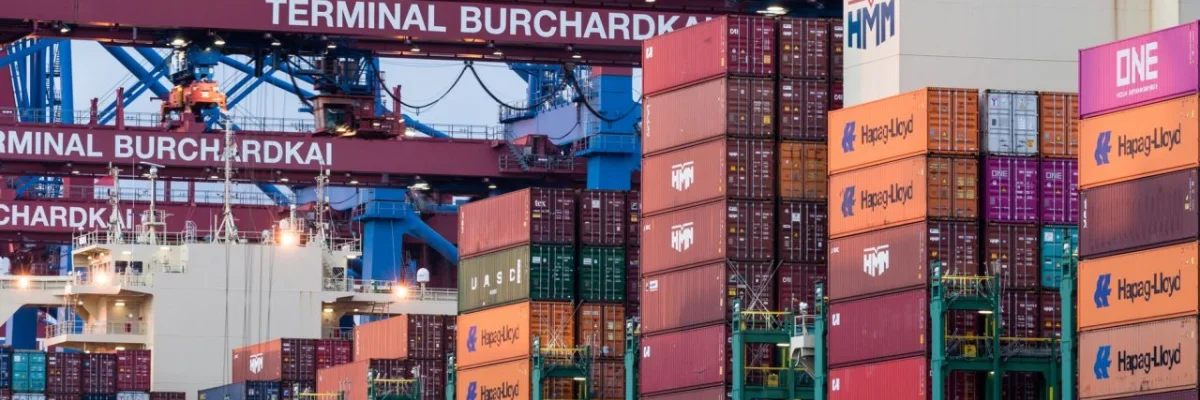
In the modern logistics landscape, freight forwarding professionals face increasing pressure to provide absolute visibility throughout the supply chain journey. As global trade complexities grow, the ability to track shipments in real time has transitioned from a competitive advantage to an absolute operational necessity. Clients demand instant updates regarding cargo status, container locations, and potential delays. By integrating advanced digital tools, freight forwarders can transform their tracking capabilities, reduce manual communication burdens, and foster deeper trust with their partners. This article explores how modern technology bridges the gap between complex shipping data and seamless client satisfaction in the fast-paced shipping industry.
Optimizing Shipment Visibility
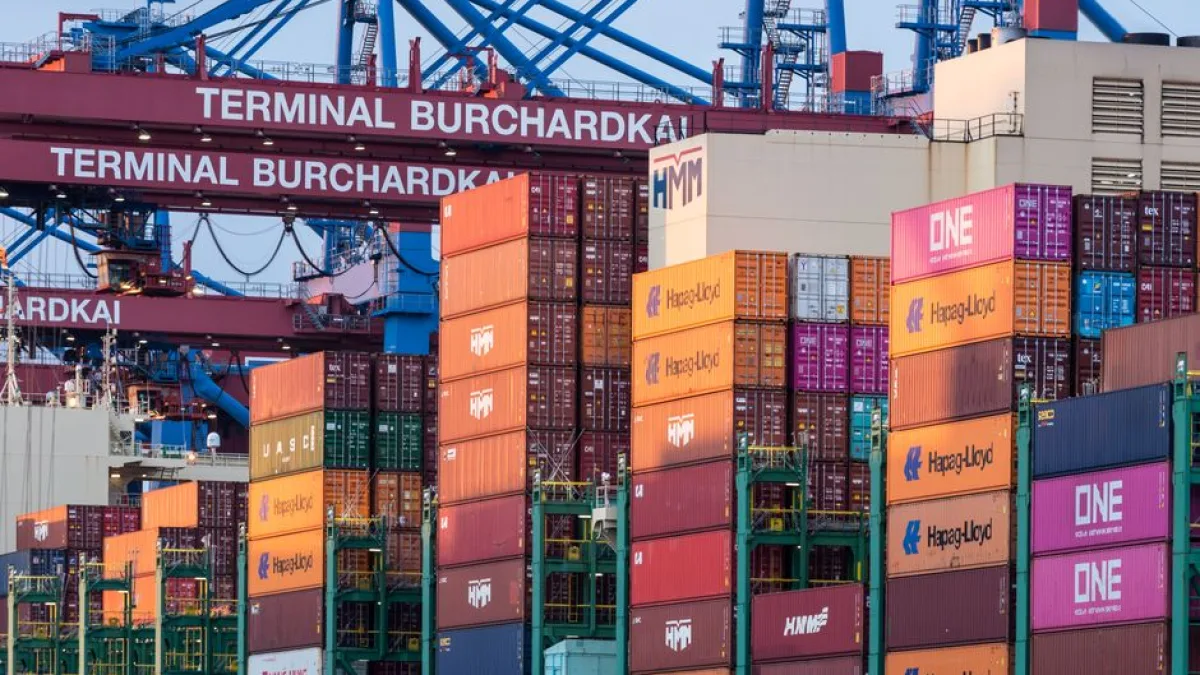
Digital visibility tools allow logistics providers to monitor cargo movements across diverse geographical regions. By centralizing data from carriers, ports, and inland transport, companies can anticipate disruptions before they impact final delivery schedules or cause significant client dissatisfaction during transit.
- Data Centralization Strategy: Consolidating fragmented carrier data into a single cloud-based dashboard reduces time spent on manual status checks while improving the accuracy of information shared with your clients.
- Proactive Delay Alerts: Automated notifications help your team identify potential bottlenecks at ports or during transit, allowing for swift corrective actions to keep supply chains moving forward efficiently.
- Enhanced Operational Efficiency: Streamlining your tracking workflows eliminates the need for endless email exchanges, freeing up your staff to focus on solving complex logistical challenges for your customers.
- Real Time Integration: Connecting your freight forwarding platform directly to carrier APIs ensures that every tracking update is instantaneous, providing clients with the most reliable data possible.
Achieving total visibility is not just about keeping clients happy, but also about building a resilient operational framework for your business. When your team can visualize the entire journey of a shipment at a single glance, decision making becomes faster and more precise. Investing in digital infrastructure now ensures that your firm remains competitive in a market that prioritizes transparency and speed above all else.
Improving Client Communication

Clear communication is the heartbeat of a successful freight forwarding relationship. Providing clients with direct access to tracking portals empowers them to see shipment progress independently, which reduces the volume of repetitive inquiry calls and emails managed by your staff.
- Self Service Portals: Giving clients 24/7 access to their own tracking data reduces administrative overhead and empowers them to make informed decisions without waiting for a manual update.
- Automated Status Reports: Scheduling custom reports ensures that stakeholders receive accurate information automatically, keeping everyone aligned on shipment status without requiring constant direct interaction from your logistics team.
- Personalized Notifications: Tailoring tracking updates based on specific client needs ensures that stakeholders receive only relevant information, improving the quality of your professional relationship and building long term loyalty.
- Transparent Exception Handling: Sharing details about unavoidable delays immediately through the portal maintains honesty and trust, positioning your company as a reliable partner even during difficult logistical circumstances.
Reducing the friction in communication builds a stronger foundation for long term partnerships with your clients. By shifting from reactive updates to proactive information sharing, you create a seamless experience that highlights your professional expertise. Clients who feel informed are far more likely to remain loyal to your services, even when the global shipping environment presents unexpected challenges to their business operations.
Leveraging Predictive Analytics

Predictive analytics uses historical data to forecast future shipping trends and potential delays with high precision. By harnessing this power, freight forwarders can provide clients with expected arrival times that account for variables like weather, congestion, and historical port performance.
- Enhanced Arrival Forecasting: Using sophisticated algorithms helps your team provide accurate delivery windows that account for historical port congestion, setting realistic expectations for your valued shipping clients.
- Risk Mitigation Insights: Identifying recurring trends in specific trade lanes allows you to offer proactive advice to clients, helping them avoid routes that are currently prone to delays.
- Optimized Resource Allocation: Analyzing past performance data enables better planning of personnel and equipment usage, ensuring that your team is always prepared to handle peak seasonal shipping volumes.
- Dynamic Route Planning: Applying predictive data helps you suggest alternative routes that are faster or more reliable, offering your customers strategic value that goes beyond basic freight movement.
Data driven decision making turns your freight forwarding business into a strategic consultancy rather than just a service provider. By looking ahead, you provide immense value to clients who are struggling with volatile shipping markets. This approach ensures you are always one step ahead of the competition, providing a level of foresight that is highly valued by businesses operating complex international supply chains.
Building Future Logistics Resilience

Future-proofing your logistics operations requires adopting scalable technologies that adapt to changing global demands. As freight forwarding evolves, those who utilize robust cloud-based software will lead the industry by offering superior tracking, reliable data insights, and consistent service levels for clients.
- Scalable Cloud Infrastructure: Moving your tracking systems to a cloud platform allows your business to grow without technical limitations, ensuring high performance regardless of the volume of shipments.
- API Driven Ecosystems: Integrating with various global trade partners and carrier networks creates a unified digital ecosystem that supports seamless data flow throughout your entire organizational structure.
- Enhanced Security Protocols: Protecting sensitive shipment data with advanced cloud security measures is essential to maintaining client trust and complying with modern international data protection regulations effectively.
- Continuous System Upgrades: Cloud platforms provide automatic updates that keep your software compliant with new industry standards, ensuring you never miss out on the latest tracking technology features.
Resilience in logistics is defined by how quickly your systems can adapt to new global requirements. By investing in scalable, cloud-based tracking technology today, you are preparing your company for the uncertainties of tomorrow. Consistently upgrading your digital capabilities ensures that your clients benefit from the latest innovations, which stabilizes your operations and positions your firm as a leader in the global market.
Conclusion

Mastering freight tracking is an essential component of professional logistics management. By embracing real-time visibility, improving client communications, and leveraging predictive analytics, freight forwarders create significant value for their partners. These technological advancements not only streamline daily operations but also establish long term trust with clients. Staying ahead in this competitive industry requires a commitment to digital excellence and a willingness to adopt innovative tools.