Mastering Real-Time Freight Tracking for Modern Logistics
Wednesday, September 2 2026
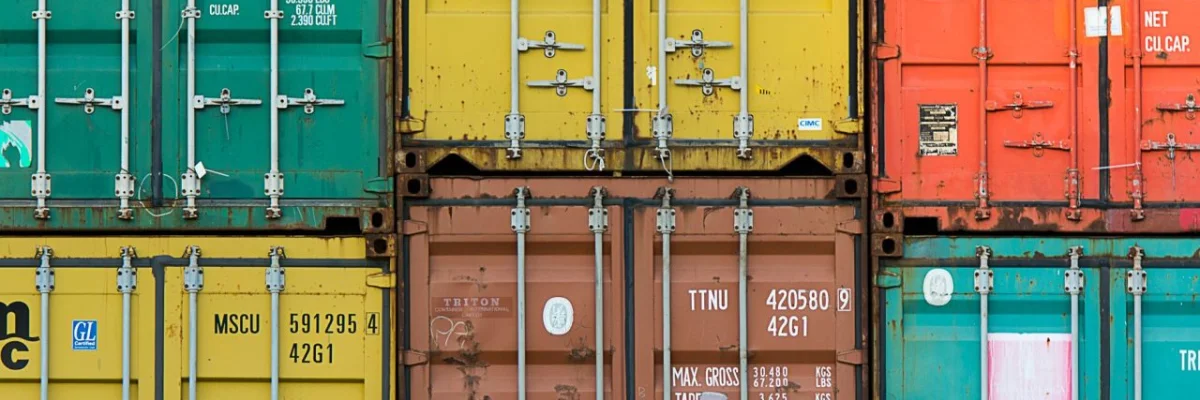
In the modern logistics landscape, freight forwarding professionals face increasing pressure to provide absolute visibility throughout the entire shipping journey. Gone are the days when clients were satisfied with periodic email updates. Today, stakeholders demand granular, real-time insights into cargo movement across ocean, air, and road segments. Leveraging a robust digital infrastructure is no longer a luxury but a fundamental necessity for maintaining operational excellence and securing client trust. By integrating advanced tracking solutions, forwarders can proactively address bottlenecks, mitigate risks, and elevate the standard of service, ensuring that every shipment remains transparent and predictable regardless of global complexity.
Optimizing Shipment Visibility
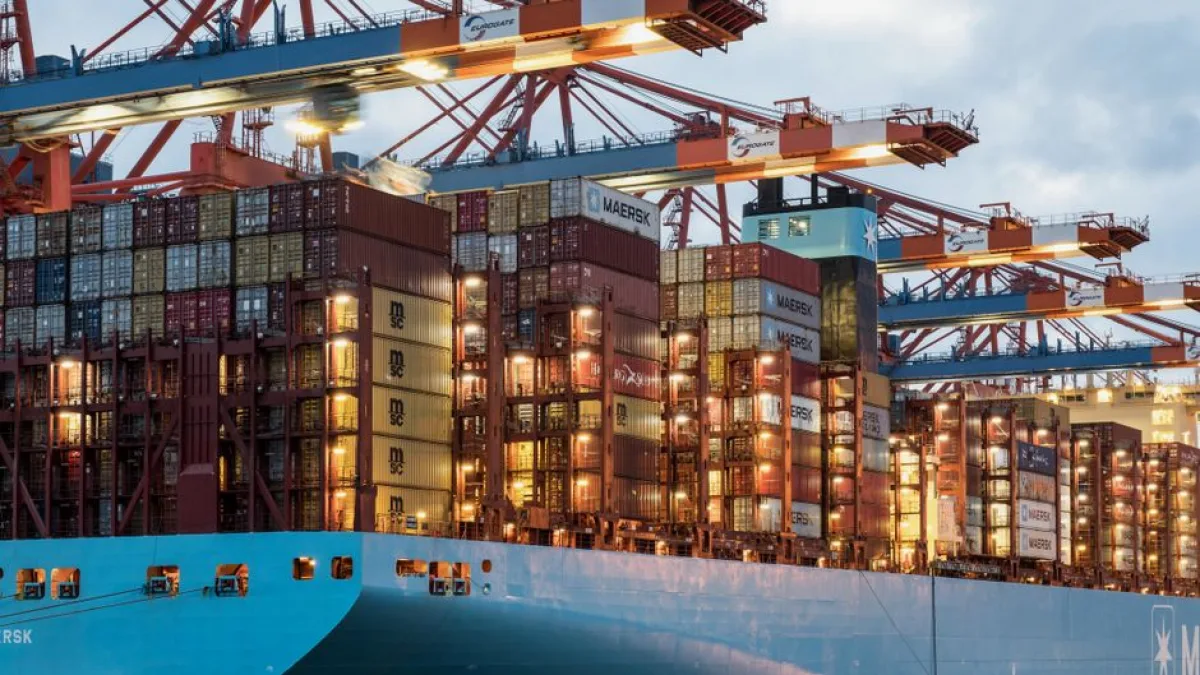
Digital visibility transforms how forwarders manage complex international routes by providing a centralized view of assets. With automated status updates, teams can monitor container positions in real time, reducing the need for manual inquiries while improving accuracy for every client interaction.
- Automated status updates: Automated systems eliminate manual data entry errors by pushing real-time tracking events directly into the platform, ensuring your team has the most accurate information at all times.
- Reduced client inquiries: Providing self-service tracking portals allows customers to find shipment locations independently, saving your operations team valuable time spent answering routine emails or phone calls.
- Data driven decisions: Access to historical and live location data empowers managers to identify recurring bottlenecks and adjust routing strategies to avoid future delays for high-priority shipments.
- Increased operational efficiency: Streamlining communication between stakeholders leads to faster processing times and improved document accuracy, which significantly boosts your overall capacity to handle higher volumes of freight.
Adopting a centralized tracking system allows your firm to shift focus from reactive firefighting to strategic planning. When your data is integrated into a unified cloud environment, every stakeholder gains access to identical insights. This harmony reduces internal friction and allows for proactive communication before minor issues escalate into costly delays, ultimately strengthening the long-term relationships you share with your global shipping partners.
Integrating Advanced Tracking Technologies
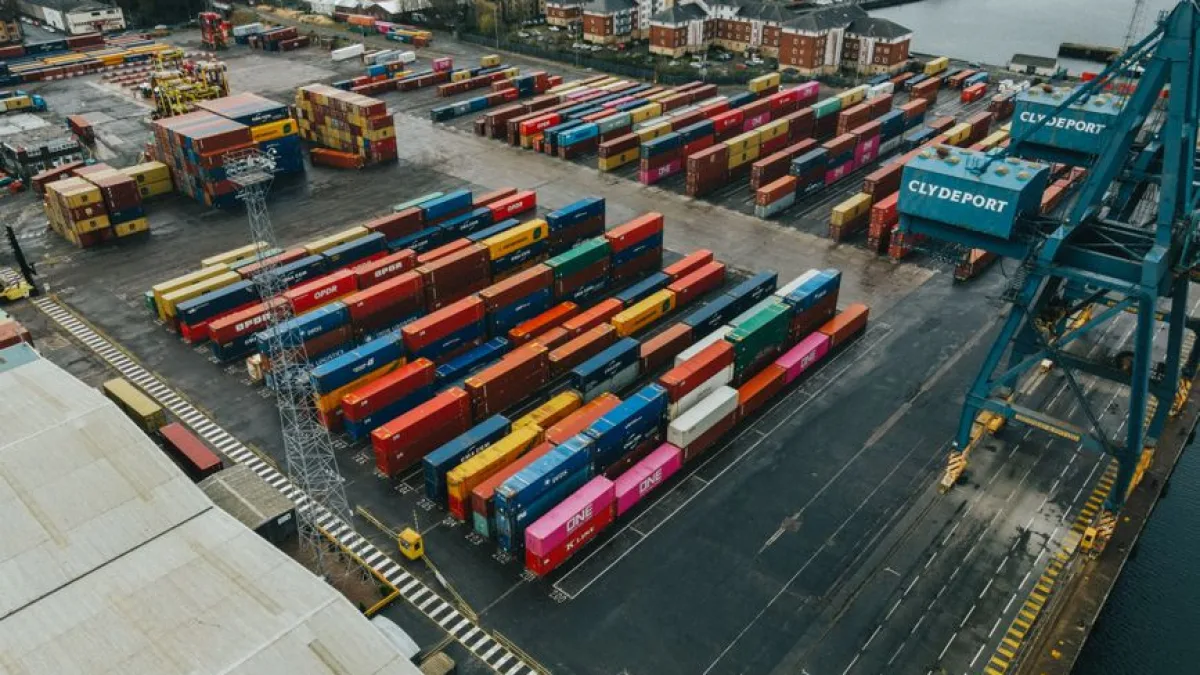
The integration of IoT sensors and GPS telemetry provides unprecedented precision for tracking high-value or temperature-sensitive goods. These technologies deliver continuous feeds that allow freight forwarders to verify cargo integrity and transit conditions, moving far beyond simple milestone-based updates.
- IoT sensor integration: Connecting physical sensors to your software allows for precise monitoring of temperature, humidity, and shock, ensuring that delicate goods arrive in perfect condition every time.
- Real time telemetry: Live GPS data points provide an exact map position of trucks or vessels, allowing you to provide customers with precise estimated times of arrival.
- Exception management tools: Advanced algorithms flag anomalies automatically, enabling your staff to intervene quickly if a shipment deviates from its planned path or encounters unforeseen weather issues.
- Secure data flow: Using encrypted cloud-based interfaces ensures that sensitive transit data remains protected while remaining accessible to authorized personnel across your global organization and partners.
By leveraging these sophisticated tracking technologies, forwarders position themselves as high-value logistics consultants rather than simple intermediaries. Clients value the security provided by constant oversight, especially for time-sensitive or high-stakes consignments. When you can prove cargo safety and timeliness through measurable data points, you differentiate your services in a crowded market and create a robust foundation for scalable business growth.
Leveraging Proactive Communication Strategies

Proactive communication relies on the ability to interpret tracking data and act before a customer becomes concerned. By using automated alerts, freight forwarders can keep their clients informed about the progress of their cargo without manual effort or delays.
- Automated email notifications: Configure custom triggers that automatically notify your clients whenever their shipments reach key milestones, keeping them informed throughout every single stage of transit.
- Internal alert systems: Set up internal notifications to alert your logistics coordinators about potential delays, allowing them to troubleshoot issues before the client even realizes a problem.
- Centralized communication hubs: Keep every message and document related to a shipment in one place, ensuring that everyone involved has the full context for every conversation.
- Transparent reporting tools: Generate comprehensive reports that summarize performance metrics and transit times, helping you build trust through full transparency about your team and carrier performance.
Effective communication is the cornerstone of client retention in the freight industry. By automating the flow of information, you demonstrate reliability and attention to detail. Clients appreciate being kept in the loop, especially when transit challenges arise. When your team uses data to explain issues and offer immediate solutions, you transform potential frustrations into opportunities to showcase your deep expertise and dedication.
Scaling Operations Through Automation
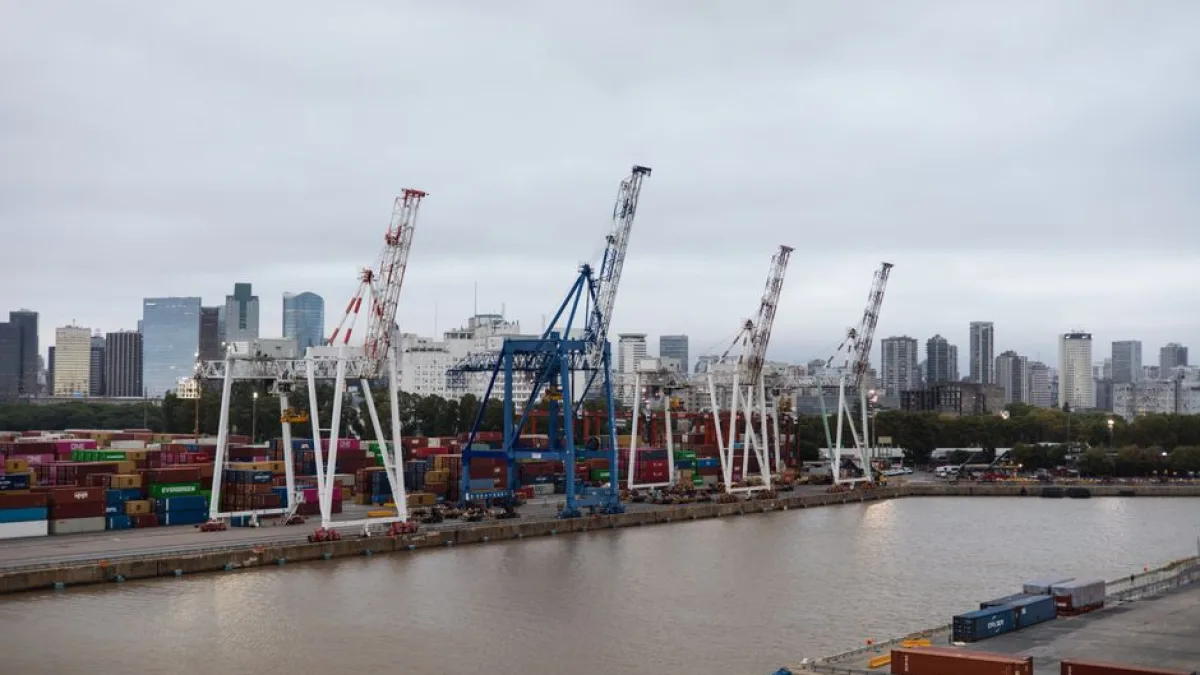
Automation allows logistics providers to scale their operations without needing a massive increase in staff. By automating routine tracking tasks, you allow your employees to spend more time on complex problem-solving and nurturing vital client relationships for your firm.
- Automated workflow triggers: Use software rules to automate document generation and status updates based on incoming tracking data, drastically reducing the time spent on repetitive manual tasks.
- Unified platform scalability: A cloud-native system ensures that your tracking capabilities remain consistent as your business grows, handling more shipments without any drop in performance levels.
- API connectivity benefits: Seamlessly connect your software with carriers and port authorities to pull data instantly, ensuring your system remains updated with the latest industry information.
- Resource optimization strategies: By delegating tracking to software, your team can pivot their focus toward value-added services like route planning and supply chain consulting for clients.
The ability to scale efficiently is what separates market leaders from stagnant freight forwarders. Automation handles the high-volume data processing that otherwise drains employee energy, freeing your team to tackle strategic initiatives that drive revenue. By investing in scalable software, you create a sustainable model that improves service levels while keeping costs predictable, ensuring that your company stays competitive for many years to come.
Conclusion

Modern freight tracking is the bridge between logistical complexity and client confidence. By utilizing integrated software solutions, you gain the visibility required to turn data into a distinct competitive advantage. Implementing these strategies will improve your operational efficiency and help build lasting trust with your partners. Start modernizing your tracking processes today to ensure your firm is ready for the future of logistics.