Mastering Real-Time Freight Tracking for Modern Logistics
Wednesday, September 9 2026
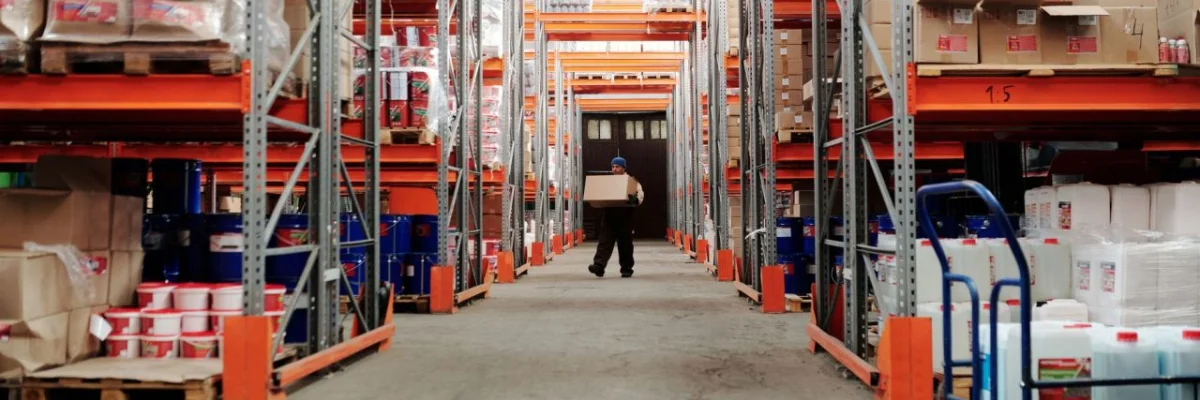
In the fast-paced world of international trade, the ability to provide real-time visibility is the primary differentiator for successful freight forwarders. Clients no longer accept estimates or delayed status updates; they demand precise, live data regarding their cargo location and arrival status. Transitioning from manual tracking methods to automated cloud-based software is no longer a luxury but a critical requirement for maintaining a competitive edge. By integrating advanced tracking technologies into your daily operations, you can proactively manage potential disruptions, enhance customer satisfaction, and build long-term trust in a market that rewards speed, accuracy, and total transparency at every shipment stage.
The Evolution of Visibility
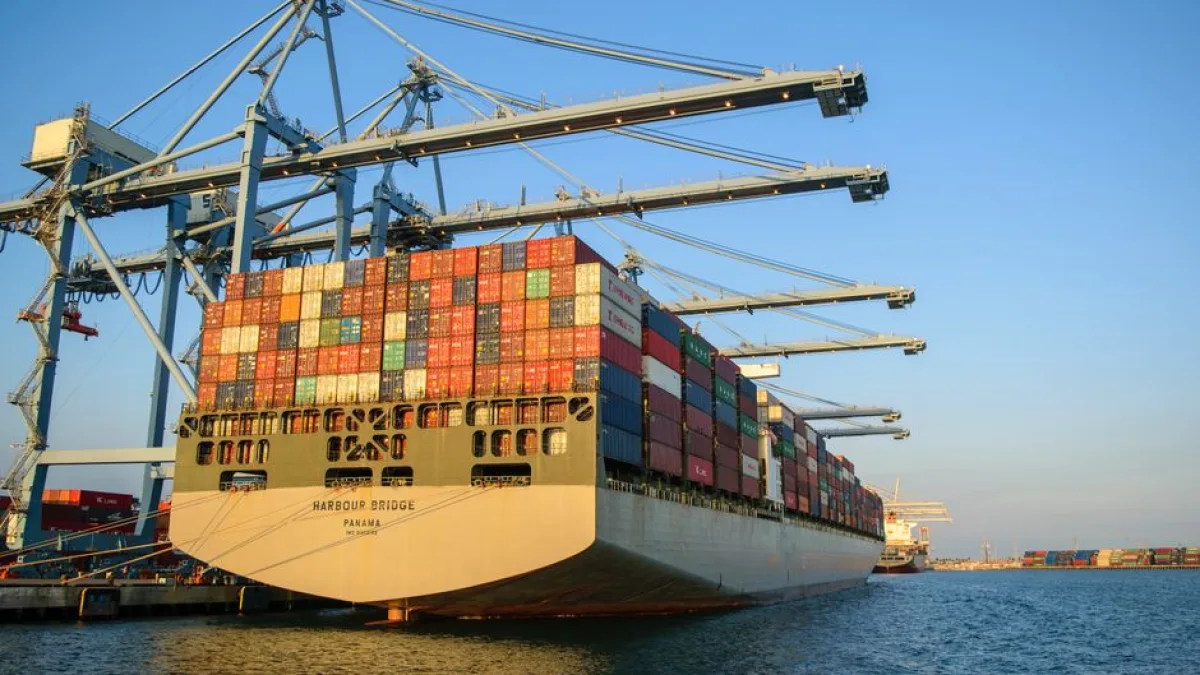
Modern visibility has evolved from sporadic manual check-ins to continuous digital monitoring. This shift allows forwarders to move beyond reactive problem solving, enabling them to anticipate challenges before they impact the final delivery schedule for their diverse global client base.
- Real-time data synchronization: Our platform integrates directly with carrier APIs to pull live status updates into your dashboard, ensuring that you always have access to the most accurate shipment data.
- Automated status alerts: Configure custom triggers that notify both your internal team and your customers automatically whenever a shipment reaches a milestone or faces an unexpected transit delay.
- Centralized documentation access: Store all shipping documents in a single cloud location where authorized stakeholders can download invoices or bills of lading without requesting them through email threads.
- Advanced analytics reporting: Use historical tracking data to generate custom performance reports that identify recurring bottlenecks or inefficient shipping routes, allowing for smarter future supply chain decision-making.
Adopting a centralized tracking system transforms your operations by eliminating the need for constant manual updates. When your team spends less time hunting for information, they gain more capacity to focus on high-value tasks. This transition streamlines communication workflows and ensures that every stakeholder remains informed, creating a professional environment where data accuracy directly translates into increased operational efficiency and stronger client loyalty.
Reducing Operational Bottlenecks

Operational efficiency is often stifled by fragmented communication channels and manual data entry errors. Streamlining these processes through dedicated software enables your team to focus on strategic growth rather than spending hours resolving avoidable administrative issues during transit.
- Eliminate manual entry: Automatically ingest shipment data from partner carriers to reduce human error and ensure that your tracking information remains consistent across all internal software systems.
- Proactive disruption management: Identify transit anomalies as they happen rather than after the fact, allowing your staff to communicate mitigation plans before the client even notices a problem.
- Unified communication hub: Replace scattered email chains with a single platform messaging system that links specific updates directly to individual cargo files for total team transparency.
- Carrier performance monitoring: Track how specific partners perform against their delivery promises to ensure you are always selecting the most reliable transport options for your global operations.
By removing the friction inherent in legacy processes, you gain control over the entire shipping lifecycle. Empowering your team with real-time insights reduces stress and prevents the common mistakes associated with manual tracking updates. As your operations become more resilient to external pressures, your business will naturally scale, allowing you to handle larger volumes while maintaining high service standards for your clients.
Enhancing Customer Experience

Customer experience depends entirely on the quality and reliability of the information you provide. Modern clients expect a digital experience that mirrors consumer e-commerce platforms, offering instant updates and self-service portals that save time for everyone involved.
- Client tracking portals: Provide your customers with a secure web link where they can view their own shipment milestones without needing to contact your team directly for updates.
- Customizable update notifications: Allow clients to choose how and when they receive shipping alerts, providing a personalized service experience that increases their overall satisfaction with your logistics services.
- Consistent brand experience: Ensure that all emails and tracking pages are branded with your company identity to build professionalism and reinforce your market presence at every interaction.
- Transparency builds trust: Providing constant access to live data prevents the frustration of information silos, which is essential for developing long-term partnerships with high-volume enterprise logistics clients.
A digital-first approach to customer service changes the way clients perceive your freight forwarding business. When they can access information on demand, they are more likely to return for future shipments. Providing a transparent experience reduces the burden on your support staff while simultaneously increasing the value you deliver. This balance of convenience and clarity is vital for modern logistics success.
Scalable Tracking Infrastructure

Scaling your freight forwarding business requires a robust digital foundation that can handle increased shipment volumes without compromising accuracy. An automated cloud infrastructure ensures that your tracking capabilities grow in tandem with your company, maintaining performance even during peak seasonal periods.
- Cloud-based scalability features: Our platform scales automatically to support increased data loads as your business expands, ensuring no loss in tracking speed or reliability during high-traffic seasons.
- Multi-carrier integration depth: Easily add new shipping partners or freight agents to your network without needing complex software reconfigurations or custom code developments for your internal team.
- Enhanced data security protocols: Protect sensitive client and shipping information with enterprise-grade encryption and secure access controls that meet global compliance standards for data privacy and storage.
- Remote access flexibility: Manage your global freight operations from any location with a stable internet connection, enabling seamless remote work capabilities for your entire logistics management team.
Investing in scalable infrastructure is an investment in your company future. As global trade dynamics continue to shift, having a flexible system allows you to adapt quickly to new challenges and market opportunities. This reliability ensures that your logistics operations remain agile and competitive, providing the stable technological foundation required to achieve sustainable growth and operational excellence in a demanding international environment.
Conclusion

Prioritizing advanced shipping and tracking solutions is essential for forwarders aiming to thrive in the modern era. By integrating automated tools, you improve data accuracy, enhance client satisfaction, and create scalable internal processes that drive long-term profitability. Start optimizing your freight operations today by adopting a cloud-based software platform that empowers your team, satisfies your customers, and secures your position as a logistics market leader.