Mastering Real-Time Freight Tracking for Modern Logistics
Thursday, September 10 2026

In the fast-paced world of international trade, the ability to provide real-time visibility has evolved from a luxury feature into an industry mandate. Freight forwarders are increasingly under pressure to supply accurate, instantaneous data to shippers who demand transparency across every leg of the supply chain. By integrating cloud-based platforms with live tracking technology, forwarders can proactively address delays, optimize routing schedules, and significantly enhance customer satisfaction levels. Mastering these digital tools is no longer optional but a primary driver for competitive differentiation, ensuring that logistics partners remain resilient and responsive in an unpredictable global market environment.
The Evolution of Visibility
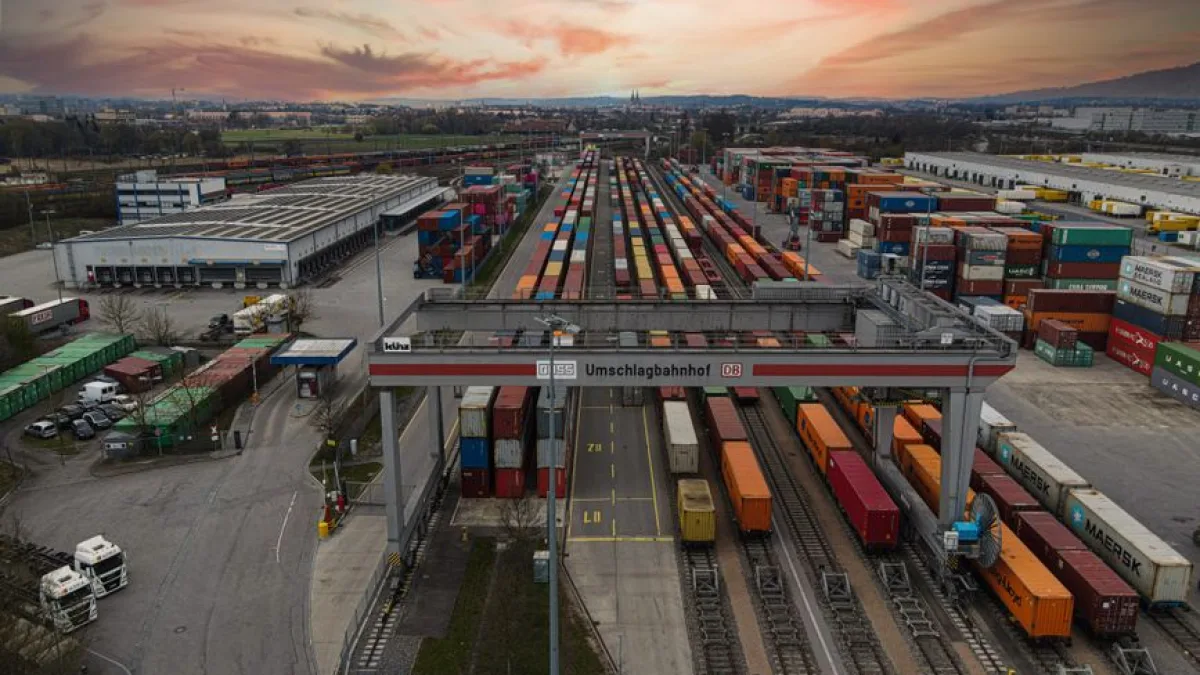
Modern visibility platforms rely on advanced satellite integration and IoT sensors to monitor shipments. By replacing manual status updates with automated data streams, forwarders can maintain complete oversight of cargo movements from the warehouse floor to the final point of delivery.
- Data accuracy improvements: Automated systems eliminate the human errors associated with manual data entry, providing shippers with precise location markers that update automatically as the freight moves across transit points.
- Proactive delay management: Real-time alerts allow forwarders to identify bottlenecks before they escalate, providing the necessary lead time to reroute shipments and avoid costly downtime in the supply chain.
- Enhanced client trust: Offering a self-service portal for clients increases transparency and reduces the volume of status inquiries, allowing your team to focus on high-value logistics operations.
- Integrated communication hubs: Centralizing tracking data within your software platform ensures that all stakeholders view the same information, which minimizes confusion and streamlines collaborative efforts during international transit phases.
Adopting sophisticated visibility tools allows freight forwarders to move beyond basic service roles. By leveraging consistent data streams, businesses can transform their operational approach from reactive to proactive. This shift not only builds deeper loyalty with existing shippers but also establishes a reputation for reliability in a competitive market, ultimately allowing your logistics firm to scale operations while maintaining high standards for service delivery.
Integrating IoT into Freight
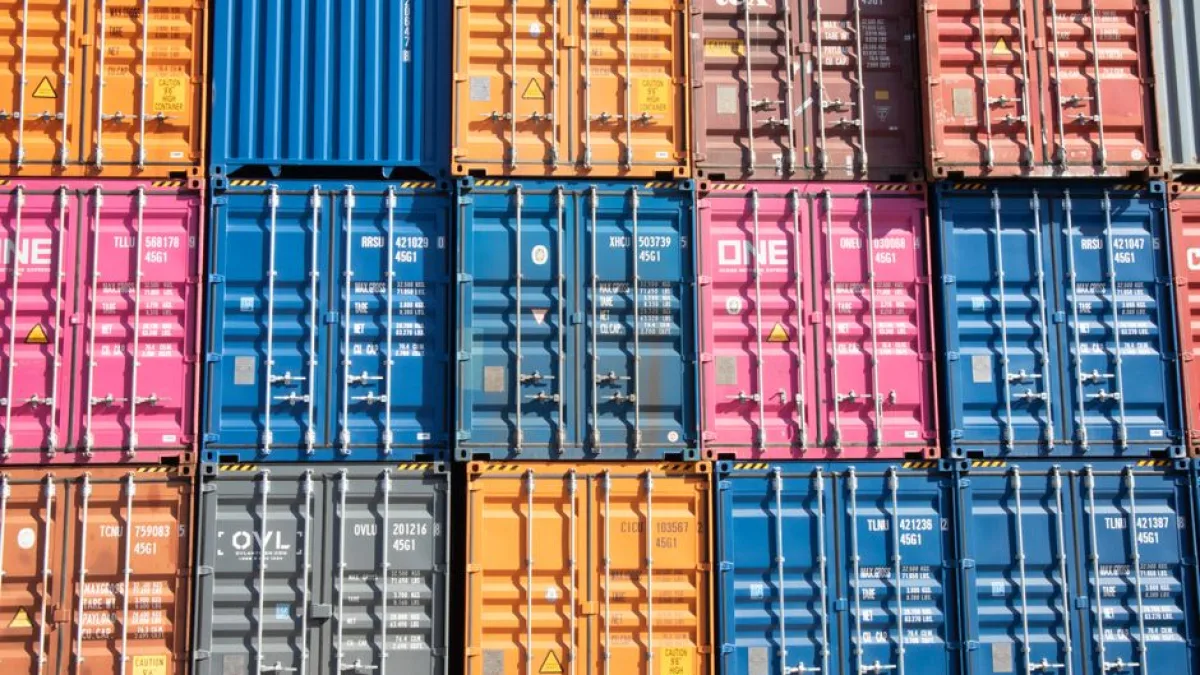
Internet of Things technology offers unprecedented insight into the condition of sensitive cargo. By tracking temperature, humidity, and physical shocks, forwarders ensure that goods arrive in optimal condition, effectively mitigating the financial risks associated with transit damage and quality loss.
- Real time monitoring: Sensors provide continuous data streams on environmental factors, ensuring that perishable goods remain within required specifications throughout the entire duration of the international shipping process.
- Damage prevention strategies: Immediate alerts regarding sudden movements or impacts allow forwarders to inspect cargo integrity promptly, documenting any potential issues before they reach the final warehouse destination.
- Compliance reporting ease: Digital logs generated by IoT devices simplify the process of regulatory compliance, offering verifiable proof that cargo standards were met during the movement process.
- Optimized equipment usage: Tracking sensor data helps managers identify which containers are performing best, leading to smarter procurement decisions regarding shipping equipment and better asset management practices overall.
Integrating these smart devices directly into your logistics software transforms raw data into actionable intelligence. This granular level of control serves to protect high-value cargo and reduces the likelihood of insurance claims. By providing shippers with detailed condition reports, your firm adds significant value to the standard shipping package, positioning your services as a premium solution for complex, high-stakes international logistics requirements.
Streamlining Global Documentation

The movement of freight requires extensive documentation, often creating bottlenecks in the shipping cycle. Transitioning to paperless workflows within a cloud platform ensures that all stakeholders access current documents instantly, reducing administrative friction and speeding up the customs clearance process.
- Instant document access: Storing bills of lading and customs forms in a secure cloud repository ensures that all authorized parties can retrieve essential files at any moment.
- Reduced error rates: Digital templates and automated validation checks ensure that mandatory forms are completed correctly, preventing common errors that lead to customs holds and significant delays.
- Accelerated clearance cycles: Faster transmission of electronic documents to port authorities and customs brokers significantly reduces dwell times, allowing shipments to move through hubs with greater velocity.
- Improved security protocols: Cloud platforms utilize advanced encryption to protect sensitive commercial information, ensuring that your company data remains secure while remaining accessible to necessary shipping partners.
Optimizing your documentation workflow is an essential step toward achieving total supply chain efficiency. By eliminating manual paperwork and physical document exchanges, your team can focus on managing exceptions and building stronger client relationships. This digital transformation reduces overhead costs while increasing the speed of your logistics cycle, providing a substantial advantage when competing for global contracts against more traditional, paper-based freight forwarders.
Predictive Analytics for Routing

Predictive analytics uses historical performance data to forecast potential transit issues. By analyzing past shipment trends and current weather patterns, forwarders can select the most reliable routes, effectively minimizing the impact of unforeseen disruptions on their client delivery timelines.
- Route optimization logic: Software algorithms analyze historical transit times and port congestion levels, suggesting the most efficient shipping paths to reduce travel time and minimize fuel consumption.
- Capacity forecasting tools: Advanced analytics help forwarders predict seasonal surges in freight volume, allowing for more accurate booking strategies and better management of available shipping space capacity.
- Risk mitigation planning: By evaluating past disruption patterns, teams can create contingency plans that trigger automatically when specific risk factors arise during the ongoing international transit phase.
- Performance benchmarking insights: Analytics allow firms to evaluate carrier performance, ensuring that forwarders consistently work with the most reliable partners to maintain high service levels for shippers.
Utilizing predictive tools empowers your team to make evidence-based decisions rather than relying on intuition. As the global supply chain becomes increasingly volatile, the ability to anticipate problems and pivot quickly is a vital asset. Implementing these advanced analytics within your platform helps ensure that your logistics operations remain agile, efficient, and capable of consistently meeting demanding delivery schedules for your global clients.
Conclusion

Effective freight tracking is the foundation of modern logistics success. By prioritizing real-time visibility, IoT integration, digital documentation, and predictive analytics, forwarders can navigate complex challenges with confidence. These technological advancements create a resilient supply chain that satisfies shippers and optimizes internal workflows. Start upgrading your digital infrastructure today to ensure your firm remains a leader in the global shipping and logistics industry.