Mastering Real-Time Freight Tracking for Modern Logistics
Thursday, September 17 2026

In the fast-paced world of international trade, the ability to provide accurate and immediate shipping data serves as the ultimate competitive advantage for freight forwarders. Clients today demand total transparency from the moment a booking is confirmed until the final delivery reaches its destination. By integrating cloud-based tracking systems, forwarders can eliminate uncertainty and resolve potential disruptions before they escalate into costly problems. Modernizing your tracking infrastructure is no longer just a luxury feature for large enterprises; it is a fundamental requirement for building long-term trust and operational efficiency in an increasingly volatile global supply chain environment.
The Evolution of Visibility

Digital platforms have transformed how cargo movement is monitored across vast distances. Traditional manual updates are rapidly being replaced by automated feeds that provide precise coordinates and status alerts for ocean, air, and road freight journeys around the world.
- Automated status updates: Real-time systems automatically push tracking milestones to your dashboard, reducing the time your team spends manually contacting carriers to verify the current location of active shipments.
- Enhanced client portals: Providing your customers with a secure login access portal creates a professional experience where they can view live updates without needing to send emails daily.
- Proactive exception management: Advanced software identifies delays early, allowing your operations team to address potential bottlenecks and communicate alternative solutions to clients before they become major service failures.
- Data synchronization tools: Modern platforms integrate directly with carrier EDI or API feeds to ensure that all tracking data remains accurate, consistent, and instantly available to your staff.
Adopting automated tracking systems significantly reduces the administrative burden on your staff while simultaneously improving the experience for your clients. By removing the need for repetitive manual inquiries, your logistics team can focus their energy on high-value tasks and relationship management. This proactive approach to data transparency fosters stronger professional partnerships and secures your position as a reliable partner in the global market.
Managing Complex Global Routes
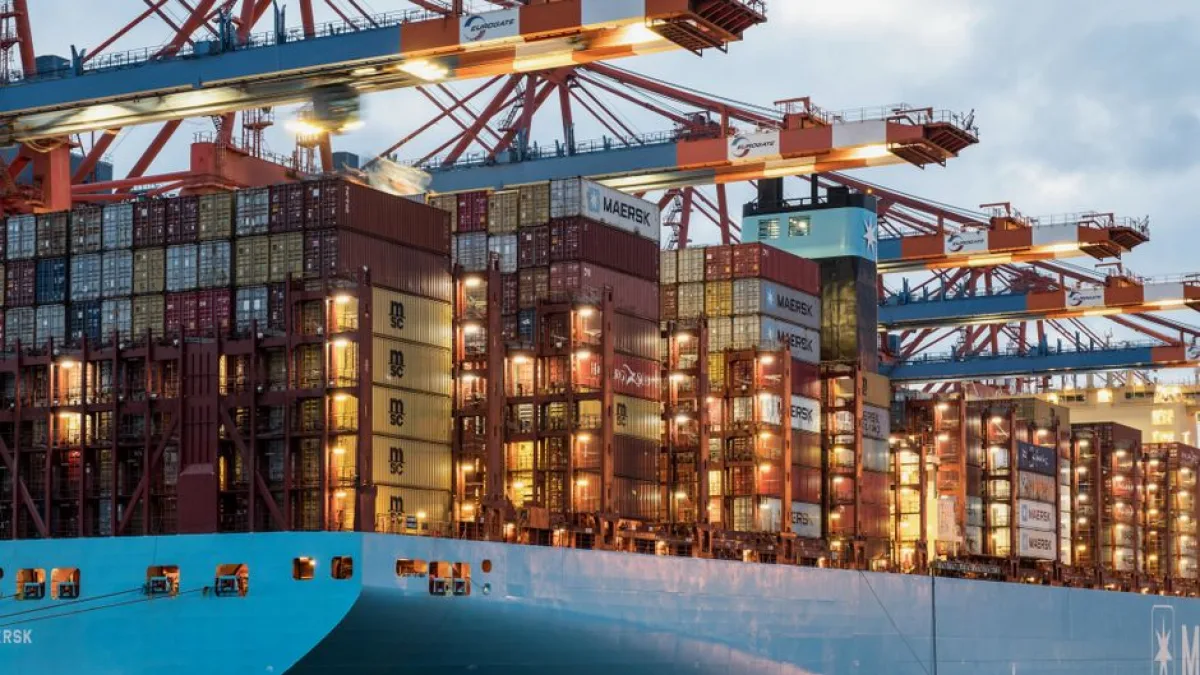
Freight forwarders often navigate complex multi-modal routes that involve several carriers and various transshipment points. Effective tracking software simplifies these intricate journeys by centralizing data from every participant into a single, cohesive view for your internal team.
- Multi-modal integration support: Systems that track ocean, air, and trucking movements under one roof prevent data fragmentation and keep all stakeholders informed during every leg of transit.
- Transshipment point monitoring: Detailed tracking logs record exactly when cargo arrives or departs from major hubs, ensuring that you remain aware of any missed connections during transit.
- Carrier performance analytics: Tracking tools help you measure how often specific carriers meet their delivery schedules, allowing you to make data-driven decisions when selecting future transportation partners.
- Customized alert triggers: You can configure notification settings to flag specific shipments that require closer oversight, ensuring that high-priority cargo receives the attention it deserves during transport.
Managing global shipments requires constant attention to detail and a high level of operational precision across multiple time zones. With the right software, you gain a clear oversight of every segment of the supply chain, ensuring that cargo moves efficiently from origin to destination. This level of control allows forwarders to provide accurate arrival estimates while mitigating the risks associated with complex logistics operations.
The Power of Integrated Data

Centralizing your shipping information within a unified cloud platform allows for deeper insights into your overall performance. When tracking data is stored in one place, it becomes a valuable asset for reporting, internal auditing, and strategic long-term planning.
- Historical data analysis: By reviewing past shipping cycles, your team can identify recurring trends or seasonal delays that often impact your specific trade lanes and cargo types.
- Centralized documentation access: Linking tracking status to specific bills of lading or customs forms creates an organized workflow that simplifies document retrieval for both clients and auditors.
- Performance benchmarking reports: Automated tools allow you to generate professional reports that demonstrate your reliability to current customers and assist in winning new business during competitive bids.
- Improved resource allocation: Analyzing flow patterns helps you determine how best to utilize your warehouse space and staff resources during peak periods of intense shipping activity.
Consolidating your logistics data creates a foundation for continuous improvement and operational growth. By leveraging historical patterns and current shipment metrics, your business can identify inefficiencies that remain hidden in traditional filing systems. Transforming raw data into actionable intelligence is a key step toward optimizing your supply chain performance, ensuring that your company stays ahead of market demands and maintains high standards.
Future-Proofing Your Logistics Operations

Technological trends are shifting toward greater connectivity and intelligent automation. Preparing your freight forwarding business for the future involves investing in scalable platforms that can adapt to new industry standards and evolving client expectations for transparency.
- Scalable cloud infrastructure: Selecting a platform that grows with your business ensures you have the necessary features to manage higher volumes of shipments as your client base expands.
- Security and compliance: Trusted cloud platforms prioritize data encryption and regulatory compliance, keeping your sensitive shipping information protected against unauthorized access and potential digital security threats.
- Mobile-responsive design features: Enabling your team to track shipments while on the move provides the flexibility required to solve problems outside of standard office hours for clients.
- API connectivity potential: Choosing software with open API capabilities allows you to connect with external accounting or CRM systems, creating a seamless and efficient digital ecosystem.
The logistics landscape will continue to evolve, making the selection of a robust cloud-based software partner essential for your long-term success. By embracing modern digital tools, you protect your business against obsolescence and ensure you can deliver superior service to your clients. Focus on building a resilient tech stack today that empowers your team to handle the challenges of tomorrow with confidence.
Conclusion
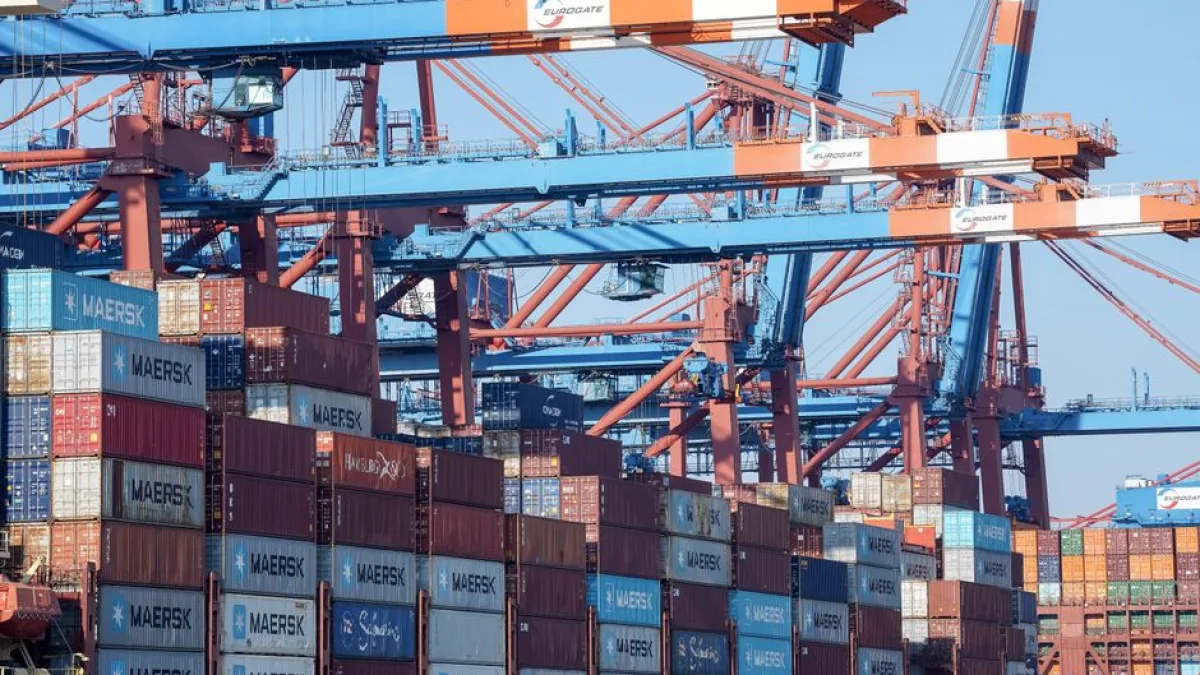
Real-time tracking is the bedrock of professional freight forwarding in the digital age. By implementing advanced cloud technology, you bridge the gap between complex global transit and client peace of mind. Start optimizing your tracking workflows today to increase efficiency and solidify your reputation as a forward-thinking leader in the logistics industry. Contact MakeCargo to learn how our platform supports your goals.