Mastering Real-Time Freight Tracking for Modern Logistics
Monday, September 28 2026
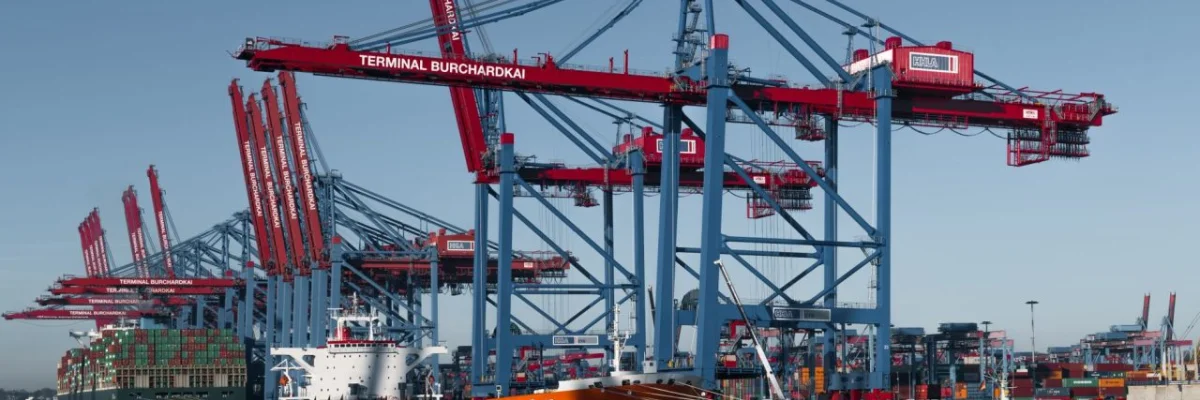
In the fast-paced world of international trade, the ability to provide accurate and immediate status updates is the hallmark of a successful freight forwarder. As client expectations rise, relying on manual data entry and sporadic email updates is no longer sufficient to maintain a competitive advantage. Modern logistics demands transparency, which is why integrated cloud-based platforms are becoming essential for managing complex shipping lanes. By leveraging automated tracking systems, forwarders can proactively address potential bottlenecks, reduce human error, and provide their partners with the peace of mind that comes from total visibility across every stage of the global supply chain.
Optimizing Shipment Visibility
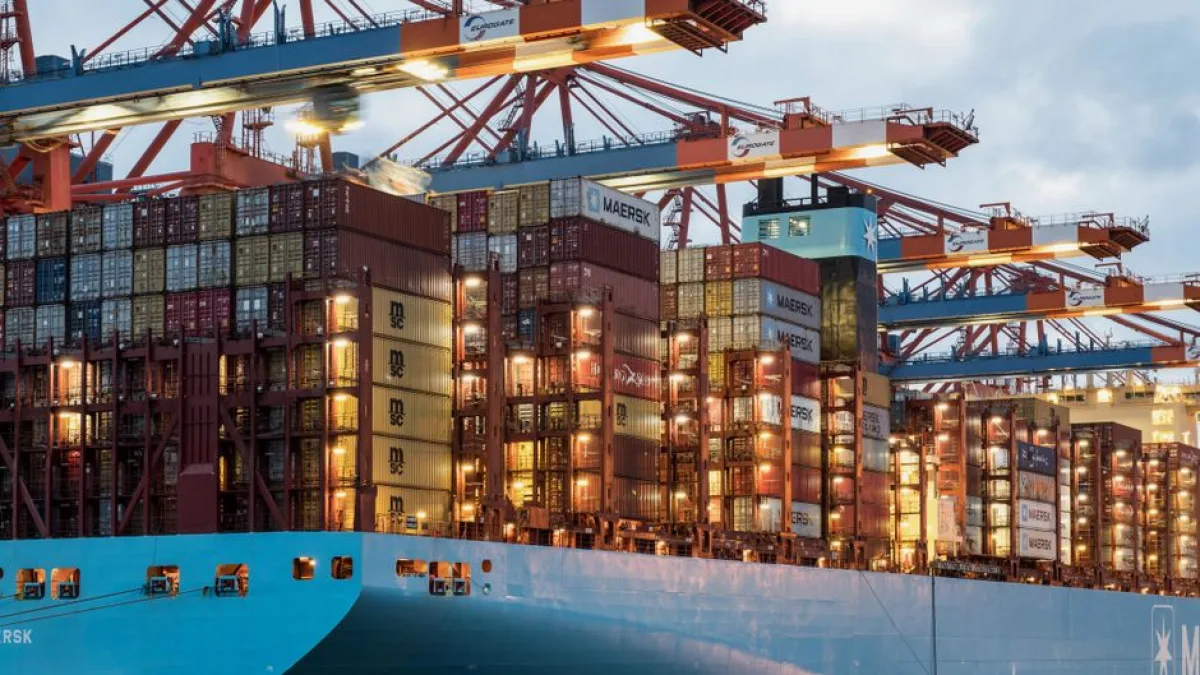
Digital visibility transforms how forwarders handle global cargo movements by connecting fragmented data points into a single dashboard. This streamlined approach ensures that every stakeholder can access critical status updates instantly without needing to send manual status inquiries or repetitive emails.
- Automated Data Feeds: Integration with ocean carrier portals allows for automatic ingestion of milestone data to ensure that your tracking information remains accurate and timely for every customer.
- Reduced Manual Work: Automating the flow of container status updates eliminates the need for staff to manually update spreadsheets, allowing them to focus on high-value logistics management tasks.
- Proactive Exception Management: Identifying delays early through automated notifications allows forwarders to suggest alternative routing options before a minor issue becomes a significant shipment failure for the client.
- Enhanced Client Trust: Sharing live tracking links with your customers fosters a sense of professional reliability and transparency that builds long-term loyalty and reduces daily administrative support requests.
Implementing these visibility tools creates a foundation for operational excellence that scales alongside your business growth. By removing the guesswork from global transport, your team can pivot from reactive problem solving to strategic logistics planning. This shift not only lowers operational costs but also positions your freight forwarding firm as a leader in transparency, ensuring that your clients always feel fully informed and supported.
Leveraging Cloud Logistics Platforms

Cloud-based technology platforms provide a centralized repository for all tracking data, document management, and communication histories. By housing these assets in one accessible location, forwarders can eliminate data silos and ensure that every team member has the information needed.
- Centralized Information Access: Storing all shipment documentation alongside real-time tracking data ensures that your logistics team can reference history without searching through disconnected systems or local computer files.
- Multi-User Collaboration: Cloud platforms allow different departments to view the same tracking data simultaneously, which improves internal coordination and helps resolve shipping exceptions much faster than before.
- Scalable System Infrastructure: Growing your freight forwarding business is easier when your software scales automatically to handle increased shipment volumes without requiring costly manual hardware or server upgrades.
- Data Security Standards: Modern cloud solutions implement rigorous encryption and backup protocols to protect your sensitive shipment data against unauthorized access or unexpected losses during daily global operations.
Adopting a cloud-native approach empowers your firm to operate with agility while maintaining a high level of data integrity. These systems act as the digital backbone for your operations, enabling seamless communication across time zones and geographic borders. By centralizing your workflows in the cloud, you minimize the risk of human error and maximize the overall productivity of your dedicated logistics professionals.
Integrating Carrier API Connections

API integrations serve as the bridge between carrier networks and your proprietary forwarding software. By creating a direct pipeline for information, these technical connections allow you to pull reliable tracking data directly into your interface without secondary delays.
- Real-Time Syncing: Direct API connections ensure that your system receives status updates the moment carriers publish them, giving you a distinct advantage in timing and accuracy during transits.
- Standardized Data Formatting: APIs normalize diverse datasets from multiple carriers into a consistent format, making it easier to analyze performance metrics across your entire international carrier network.
- Customized User Alerts: Configuring your system to trigger automatic email or SMS alerts based on specific milestones helps keep your clients updated on their cargo delivery progress.
- Improved Carrier Accountability: Monitoring actual delivery performance against original schedules using API-fed data provides the objective insights you need to negotiate better service terms with your carriers.
Integrating APIs is a transformative step that converts static data into actionable intelligence for your entire team. As you refine your digital strategy, these connections provide the consistent flow of information necessary to meet modern service level agreements. By leveraging these advanced technical tools, your forwarding firm can consistently outperform competitors while providing a superior experience for every client you serve globally.
Analyzing Freight Performance Metrics

Beyond simple tracking, advanced analytics allow freight forwarders to study performance trends and identify recurring bottlenecks in their supply chain. Analyzing this data is essential for driving continuous improvement and optimizing your future logistics routing and carrier selections.
- Transit Time Analysis: Evaluating historical transit data helps you identify which lanes are consistently underperforming, allowing you to optimize future route planning for greater efficiency and reliability.
- Carrier Performance Scoring: Tracking metrics like on-time performance and documentation accuracy enables you to hold carriers accountable while identifying the most reliable partners for your business.
- Bottleneck Identification: Visualizing data trends across complex corridors can reveal recurring port congestion or customs clearance delays, providing the context needed to implement better mitigation strategies.
- Cost Saving Opportunities: Identifying inefficiencies in your supply chain through analytical reviews helps you lower operational costs by choosing more effective transport modes or better-performing carrier partners.
Data-driven decision making serves as the ultimate catalyst for scaling your forwarding operations in a demanding market. By consistently monitoring your performance metrics, you develop the deep operational knowledge required to navigate volatile global markets with confidence. Transforming raw logistics data into clear business insights ensures that your firm remains efficient, profitable, and ready to meet the evolving challenges of international shipping.
Conclusion
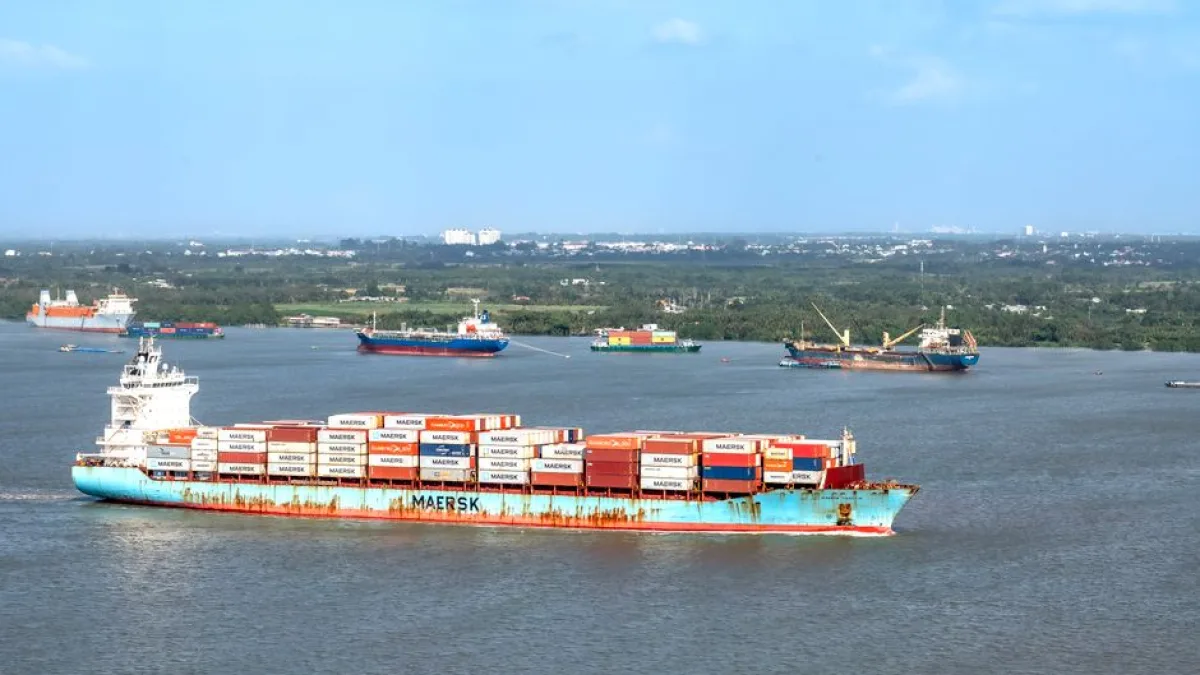
Mastering freight tracking through cloud technology and automated integrations is essential for modern forwarders. By prioritizing transparency and data accuracy, you enhance your service quality while building trust with clients. Embrace these digital tools today to streamline your workflows, reduce manual overhead, and position your company for sustained success. Visit the MakeCargo platform to discover how our comprehensive tools can elevate your global logistics operations.