Mastering Real-Time Freight Tracking for Modern Logistics
Thursday, October 1 2026

In the fast-paced world of international trade, the ability to provide accurate and immediate status updates is the defining factor of a successful freight forwarder. As global supply chains face increasing complexity, manual tracking processes are no longer sufficient to meet customer demands for visibility. Modern logistics professionals must transition toward automated cloud-based solutions to remain competitive and build long-term trust with their shipping partners. By integrating real-time tracking technology into your daily operations, you can proactively manage exceptions, reduce manual administrative burdens, and empower your clients with the data they need to optimize their own complex internal supply chain workflows.
The Evolution of Visibility
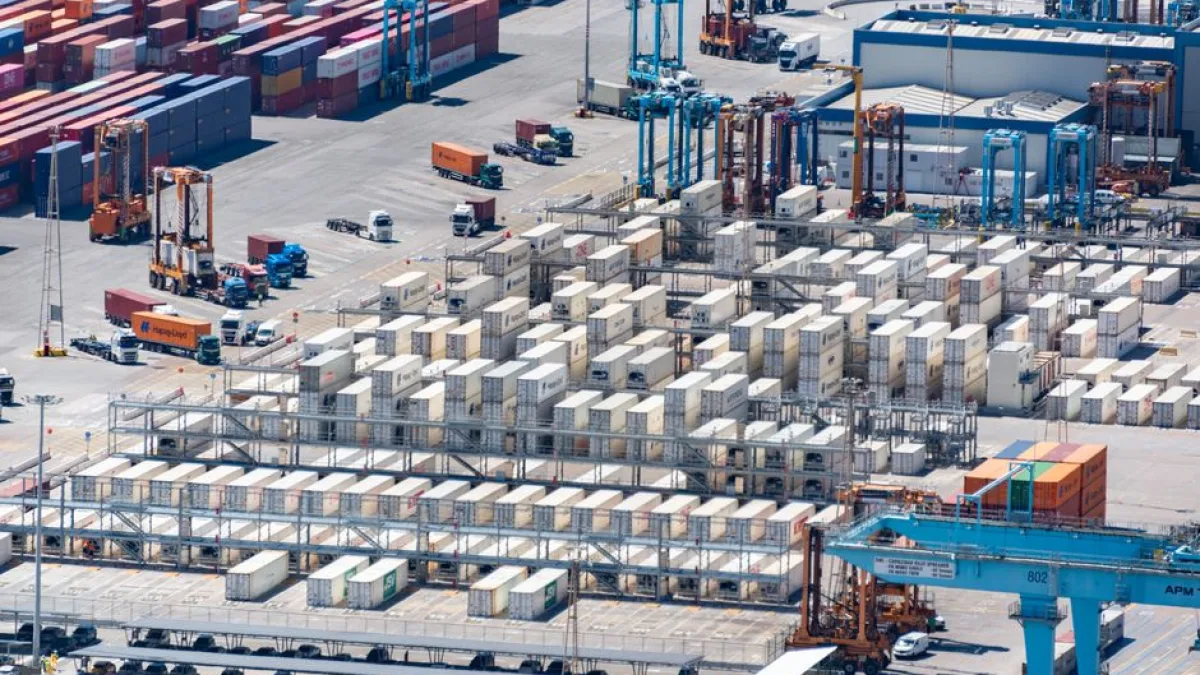
Traditional methods of shipment tracking have shifted from reactive status checks to proactive, data-driven insights. This shift allows logistics providers to anticipate delays before they impact the final delivery, ensuring that supply chain operations remain fluid and highly responsive to changes.
- Improved Customer Trust: Providing clients with transparent access to their freight movements builds significant professional credibility and long-term loyalty that persists through even the most difficult global shipping disruptions.
- Reduced Manual Work: Automating status updates eliminates the need for staff to spend hours sending emails or making phone calls to carriers to inquire about current vessel locations.
- Data-Driven Decisions: Accessing granular performance data allows forwarders to evaluate carrier reliability over time, ensuring they only partner with the most efficient logistics providers in the market.
- Proactive Exception Management: Early detection of transit delays provides teams with the necessary time to reroute shipments or adjust client expectations before a minor issue becomes expensive.
Transitioning from manual tracking logs to a digital dashboard environment represents a core pillar of operational maturity for freight forwarders. By utilizing sophisticated software tools, you remove the common human errors associated with manual data entry while simultaneously increasing the volume of shipments your team can handle efficiently. Embracing these advanced tracking capabilities is the fastest way to scale your logistics business successfully.
Integrating Automated Data Feeds

Modern cloud-based freight platforms now integrate directly with global carrier APIs to pull live data updates into a single interface. This centralized approach simplifies how teams handle information, ensuring everyone views identical shipment details regardless of their specific geographic location.
- Seamless Carrier APIs: Direct integrations with ocean and air carriers provide instantaneous updates that remove the lag times typical of older electronic data interchange messaging systems used historically.
- Centralized Shipment Dashboards: Consolidating tracking data from multiple global partners into one intuitive view allows for rapid analysis of global transit routes and potential bottlenecks currently occurring.
- Real-Time Event Alerts: Automated notifications instantly alert your staff whenever a container hits a key milestone or experiences an unexpected transit delay during its long ocean voyage.
- Enhanced Document Access: Linking tracking status directly to relevant shipping documents ensures that operational staff can retrieve critical paperwork without searching through cluttered and messy email archives.
By leveraging automated data feeds, your logistics firm can achieve a level of operational agility that was previously impossible to attain. These integrations remove the friction caused by fragmented communication channels and data silos within the supply chain. When your team spends less time gathering information, they can focus their energy on delivering exceptional service and solving complex logistics problems for clients.
Optimizing Client Portals

Giving your customers a dedicated portal to view their own shipment statuses reduces the burden on your customer service department. This empowerment improves the overall client experience while allowing your staff to focus on high-value tasks that generate revenue.
- Self-Service Transparency: Customers appreciate having constant access to their own cargo data through a secure portal, which removes the need for them to contact your team directly.
- Branded Tracking Interfaces: Customizing the tracking interface with your company branding reinforces your professional image every time a customer logs in to check their cargo status.
- Custom Notification Triggers: Allowing your clients to select exactly when they receive status alerts ensures they remain informed without experiencing unnecessary fatigue from too many irrelevant update emails.
- Secure Data Sharing: Digital portals ensure that sensitive shipment information is protected behind secure authentication protocols while still remaining easily accessible to authorized personnel on the team.
Offering a branded client portal turns routine tracking tasks into a strong marketing advantage for your freight forwarding business. When clients can easily find the answers they need on their own schedule, your customer service ratings will naturally improve. This transformation shifts your relationship from a simple service provider to a strategic technology partner, securing your position in a very crowded logistics market.
Leveraging Predictive Analytics

Beyond simple status updates, modern software now offers predictive analytics to forecast potential arrival times with high precision. Using historical data and current transit speeds, you can manage stakeholder expectations with incredible accuracy throughout the entire shipping process.
- Accurate Arrival Predictions: Advanced algorithms analyze historical carrier performance to provide highly accurate estimates that go far beyond the standard schedules provided by shipping lines and major carriers.
- Identify Trend Patterns: Analyzing historical tracking logs helps your business identify seasonal trends and common bottlenecks that frequently occur at specific ports or during peak shipping seasons.
- Strategic Capacity Planning: Understanding predicted arrival times allows your warehouse teams to plan labor and storage requirements more effectively, leading to improved facility efficiency and lower costs.
- Continuous Process Improvement: Identifying weak points in your current logistics network allows you to iterate on your processes and remove bottlenecks to ensure consistently smoother cargo movements.
Predictive analytics represent the future of logistics management, allowing forwarders to stay ahead of the competition by anticipating future needs rather than just reporting the past. By turning raw tracking data into actionable intelligence, your team gains a distinct advantage in a crowded and competitive industry. Invest in predictive capabilities now to ensure your company remains at the forefront of global freight forwarding.
Conclusion
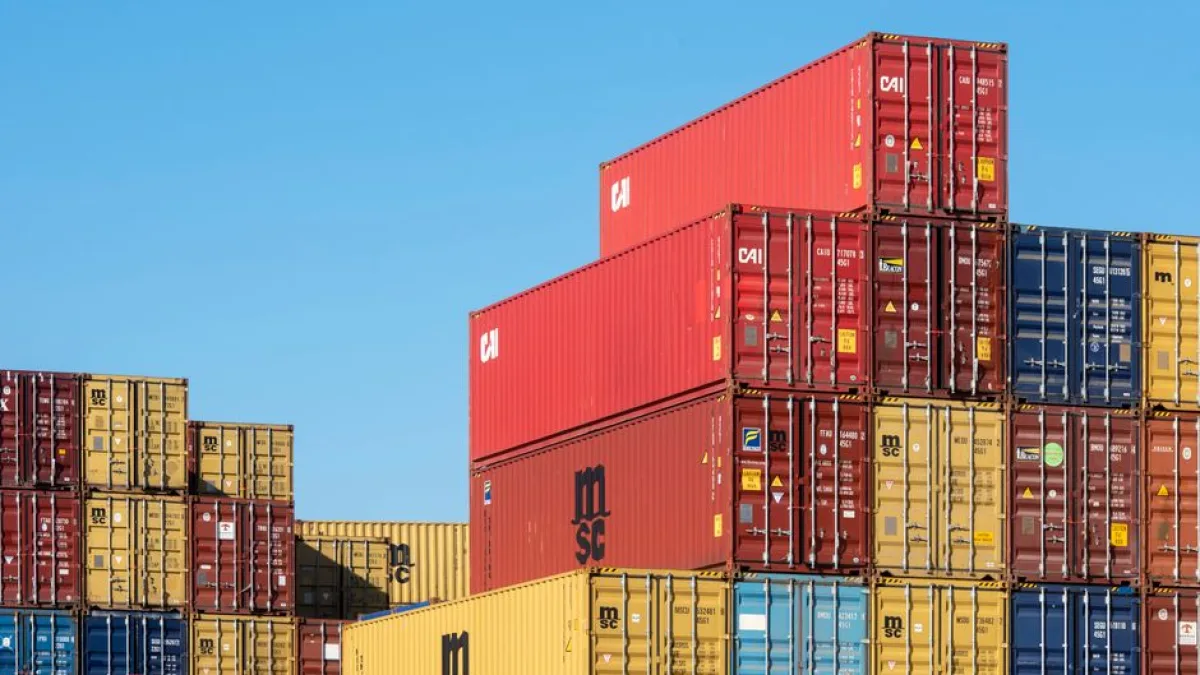
Mastering freight tracking is essential for modern freight forwarders aiming to scale their operations and improve client retention. By utilizing automation, intuitive portals, and predictive data, you can transform your logistics strategy into a significant competitive advantage. Start integrating these advanced tools into your daily workflow today to streamline your operations, reduce administrative overhead, and consistently provide the high-quality visibility that your customers demand.