Mastering Real-Time Freight Tracking for Modern Logistics
Tuesday, October 6 2026

In the fast-paced world of international trade, the ability to track shipments with precision has shifted from a luxury to an absolute necessity for freight forwarders. Clients now expect instant updates regarding the status of their goods as they move through complex global supply chains. By leveraging cloud-based platforms like MakeCargo, logistics professionals can replace outdated manual processes with automated, transparent data streams. This shift not only builds deep trust with customers but also empowers your team to make data-driven decisions that reduce delays, cut operational costs, and ultimately elevate your competitive edge in a crowded marketplace.
The Power of Visibility
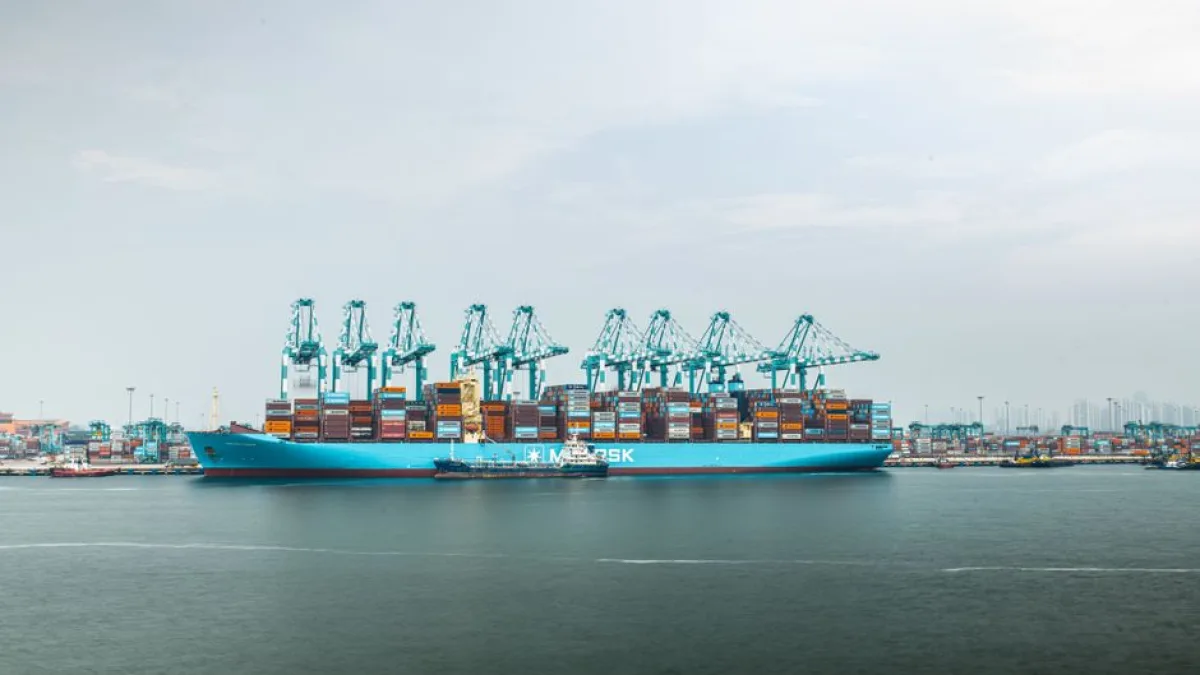
Enhanced visibility into the supply chain acts as the backbone of modern logistics operations. When companies gain access to live updates, they can proactively manage risks and communicate changes to clients before minor delays turn into major, costly service failures.
- Improved Customer Trust: Providing clients with accurate arrival times and shipment statuses creates long-term professional partnerships built on transparency, reliability, and consistent data delivery for every single shipment handled.
- Proactive Problem Solving: Real-time alerts allow logistics teams to identify bottlenecks early, enabling them to reroute cargo and minimize the impact of external disruptions like strikes or weather.
- Reduced Communication Overhead: Automated tracking portals eliminate the need for constant manual status update emails, freeing your staff to focus on higher value tasks like business development.
- Operational Efficiency Gains: Accurate data streams help forwarders optimize carrier selection and lane planning by analyzing historical performance patterns stored within their primary management software platforms effectively.
Achieving total transparency requires more than just basic tracking tools. It demands a holistic approach to data integration that connects carriers, ports, and your internal team into a single, cohesive ecosystem. When visibility is unified, your operations move faster and with far greater precision. This agility allows your business to scale effortlessly, ensuring your clients always receive the exceptional service quality they rightfully deserve.
Data Integration Strategies

Integrating diverse data sources into a centralized platform provides a unified view of every shipment. This process reduces information silos, ensuring that everyone from warehouse managers to customer support agents operates from the same accurate, real-time dataset at all times.
- Unified Data Streams: Connecting carrier APIs directly to your software ensures that status changes are reflected instantly without requiring manual data entry or prone-to-error human intervention processes.
- Automated Status Updates: Configure custom triggers that push notifications to stakeholders the moment a milestone is reached, keeping all parties informed throughout the entire transit and delivery lifecycle.
- Historical Performance Tracking: Maintaining a robust database of past shipments allows you to review carrier reliability and identify recurring issues that impact your overall operational bottom line.
- Simplified Reporting Tools: Generate comprehensive reports for your clients using integrated data, showcasing your commitment to performance metrics and professional excellence in every logistics service you provide.
Centralizing your data is the most effective way to eliminate the chaos associated with fragmented communications. By consolidating information into a single cloud platform, you gain the ability to visualize your entire supply chain performance. This creates a foundation for continuous improvement, as you can easily identify which carriers are performing well and where your logistics processes might require some additional optimization efforts.
Proactive Risk Management

Managing risks in logistics involves identifying potential threats long before they manifest into actual problems. Digital tracking tools act as an early warning system, granting you the necessary time to adapt strategies and keep cargo moving forward smoothly.
- Early Warning Alerts: Receive instant notifications regarding vessel delays or customs holds, allowing you to inform your clients promptly and prepare contingency plans to bypass potential congestion points.
- Weather Impact Monitoring: Monitor global weather patterns alongside shipment routes to anticipate potential delays, ensuring your operations remain resilient against unforeseen environmental challenges that affect major shipping lanes.
- Customs Compliance Checks: Automated verification tools help you flag missing documentation or incorrect filing details, preventing costly fines and reducing the likelihood of goods being seized by authorities.
- Alternative Route Planning: Utilize real-time lane data to quickly pivot to secondary shipping routes when primary corridors become blocked, maintaining consistent service levels for your most valued customers.
By shifting from reactive firefighting to proactive risk management, you protect your company from unnecessary reputational damage and financial losses. Effective planning turns unpredictable logistics challenges into manageable tasks that do not disrupt the broader supply chain. When your team uses intelligent software to stay ahead of potential issues, they demonstrate a level of professionalism that secures client loyalty for years.
Enhancing Client Experience

Exceptional client experience is driven by proactive communication and accessible information. When customers feel empowered by the data they receive, they are far more likely to remain loyal to your freight forwarding services over the long term.
- Customer Portal Access: Grant your clients secure access to a branded portal where they can monitor their own shipments and download documents without needing to contact your staff.
- Professional Document Management: Store and share essential shipping documents digitally, ensuring that bills of lading, invoices, and customs forms are always easily accessible for all authorized stakeholders involved.
- Personalized Communication Flow: Tailor your update preferences for each client, ensuring that their specific needs and reporting requirements are met through automated email or text message notification systems.
- Continuous Service Feedback: Use the data gathered through your tracking system to solicit feedback and identify areas where your service delivery can be improved to increase satisfaction.
Ultimately, your reputation as a forwarder rests on the quality of the experience you provide to your clients. By using advanced tools to simplify tracking and information access, you distinguish your firm from competitors who still rely on outdated manual workflows. Providing a seamless, modern experience is the most effective strategy for building a sustainable business that thrives in the competitive freight landscape.
Conclusion

Modern freight forwarding success is built on the foundation of superior tracking and transparent communication. By embracing cloud-based technologies and integrated data strategies, you can transform your logistics operations into a highly efficient, client-focused machine. Start optimizing your tracking processes today to gain a significant advantage in the global market. Contact the MakeCargo team to see how our platform can streamline your shipping operations.