Mastering Real-Time Freight Tracking for Global Logistics
Monday, October 12 2026

In the fast-paced world of international trade, the ability to provide clients with precise shipping visibility is no longer a luxury but a fundamental necessity. Freight forwarders are increasingly managing complex supply chains that require instant data access to prevent costly delays and ensure customer satisfaction. By leveraging cloud-based platforms, logistics professionals can replace outdated manual tracking methods with automated systems that offer granular updates across all transport modes. Modern digital solutions empower forwarders to proactively solve logistical bottlenecks, enhancing operational transparency while fostering trust with global partners in an era where data-driven decision-making dictates market leadership and overall business growth.
The Evolution of Visibility

Digital transformation has fundamentally altered how goods move across oceans and borders by providing transparency that was once impossible to achieve through manual spreadsheets. This shift allows teams to monitor shipments with incredible precision and maintain high service standards.
- Enhanced Data Accuracy: Automated tracking systems eliminate human error by pulling live data directly from carrier APIs, ensuring that your team always relies on the most current shipment status available.
- Proactive Issue Resolution: When you receive real-time alerts about potential port congestion or carrier delays, you can immediately communicate alternative routes to stakeholders before problems impact the bottom line.
- Centralized Information Hubs: Consolidating tracking data into a single cloud-based dashboard prevents fragmented communication and enables your staff to access critical shipment documents from any global location.
- Improved Client Satisfaction: Clients demand transparency regarding their high value assets and providing them with a secure portal to track cargo increases their loyalty and your brand reputation.
- Competitive Market Advantage: Utilizing superior technology differentiates your freight forwarding business from competitors who still rely on sluggish email updates and manual phone calls to track their freight shipments.
Adopting advanced visibility tools changes how your company operates on a daily basis. By centralizing data, you allow your logistics team to focus on high-value tasks rather than wasting hours on repetitive status inquiries. As global supply chains grow more complex, your commitment to transparency will become a primary driver of client retention and long-term success in the competitive international freight forwarding marketplace.
Integrating Automated Reporting

Automation allows forwarders to generate comprehensive reports without the tedious effort of manual data entry. These insights help stakeholders make informed decisions while identifying key areas where transport efficiency can be improved for future shipping cycles and cost reductions.
- Real-Time Insight Generation: Automated reporting tools transform raw tracking data into actionable intelligence, allowing managers to monitor key performance indicators and identify bottlenecks within their current supply chain flows.
- Customizable Client Portals: You can configure automated dashboards to display specific metrics relevant to each client, ensuring that your partners receive only the information that matters most to them.
- Scheduled Performance Updates: Setting up recurring reports ensures that your clients receive automated status summaries on a daily or weekly basis without requiring any additional effort from staff.
- Historical Data Analysis: Tracking software stores previous transit times and routing data, which enables your team to analyze historical performance and plan more efficient shipping routes for the future.
- Seamless System Integration: Modern platforms integrate with your existing ERP or accounting software to ensure that financial data matches the physical movement of cargo across global borders.
Smart automation is the backbone of a modern logistics enterprise, reducing administrative burdens while simultaneously increasing the quality of service provided. By moving away from manual reporting cycles, your team gains the flexibility needed to handle complex logistical challenges. These reports not only build confidence with your clients but also provide internal insights that lead to better operational choices and improved profit margins.
Mitigating Disruptions Globally
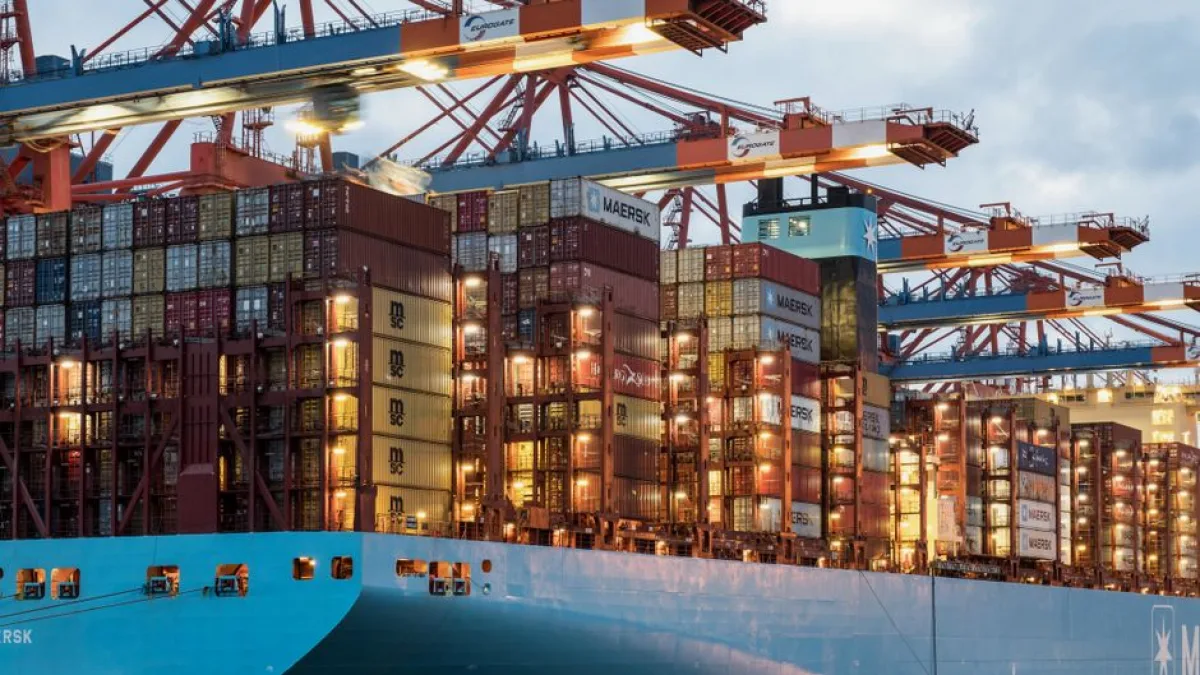
Unexpected events often disrupt shipping schedules, making it essential for forwarders to have agile contingency plans. Tracking software provides the early warnings required to pivot operations effectively during sudden weather events, political instability, or unexpected labor strikes at key terminals.
- Early Warning Systems: Intelligent monitoring tools detect anomalies in transit schedules early, allowing your operations team to implement backup plans before a minor delay escalates into a major crisis.
- Alternative Route Planning: Access to live global maps and terminal status updates helps you evaluate alternative carriers or shipping lanes when primary routes face unavoidable and sudden disruptions.
- Collaborative Crisis Communication: Cloud platforms facilitate instant messaging between your agents and carrier partners, which is vital for coordinating rapid changes during emergency situations involving high-stakes cargo shipments.
- Inventory Flow Stability: By staying informed about every leg of the transit process, you can advise clients on inventory management adjustments to prevent stockouts during times of peak disruption.
- Risk Mitigation Strategy: Consistent data collection allows you to build a risk profile for various shipping lanes, helping you avoid volatile paths that frequently experience unexpected delays or losses.
The ability to mitigate risk is what separates an average freight forwarder from an elite logistics partner. When you have access to real-time tracking data, you transform from a passive observer of transit into a proactive navigator of global supply chains. Ensuring that your clients remain informed during times of crisis protects your reputation and establishes your agency as a dependable industry leader.
Building Digital Trust

Digital trust is built on the foundation of consistent performance and open communication. When your software provides reliable tracking information, it reinforces the professional relationship between your company and your clients, proving that your logistics operations are both transparent and highly dependable.
- Reliable Status Promises: Keeping your clients informed with accurate updates builds confidence, proving that your agency has total control over the complex logistics processes involved in their international freight.
- Consistent Service Quality: Standardizing your tracking processes through cloud software ensures that every shipment, regardless of origin or destination, receives the same high level of visibility and care.
- Document Access Security: Providing secure digital access to bills of lading and customs documentation ensures that sensitive client information is protected while remaining readily available for transit clearance.
- Transparent Financial Processes: Linking tracking status to invoicing ensures that clients understand exactly what they are paying for, which reduces billing disputes and improves cash flow efficiency.
- Proactive Relationship Management: Consistent reporting allows you to schedule regular check-ins with clients, turning simple tracking updates into opportunities to discuss long-term strategic goals and shipping needs.
Building long-term client trust requires more than just moving goods from point A to point B. It requires a commitment to radical transparency and the consistent use of modern digital tools. By providing clients with a clear window into their supply chain, you secure your position as a trusted advisor. This strategic approach ensures long-term loyalty and sustainable growth in the global freight market.
Conclusion

Modern freight forwarding relies on the seamless marriage of technology and professional expertise. By implementing advanced tracking solutions, your agency can provide the visibility your clients demand while optimizing internal workflows. Embracing cloud-based platforms today prepares your business for the future of logistics, ensuring that you remain competitive, efficient, and reliable in an increasingly complex and interconnected world of global trade and transport.