Mastering Real-Time Freight Tracking for Modern Logistics
Saturday, October 17 2026
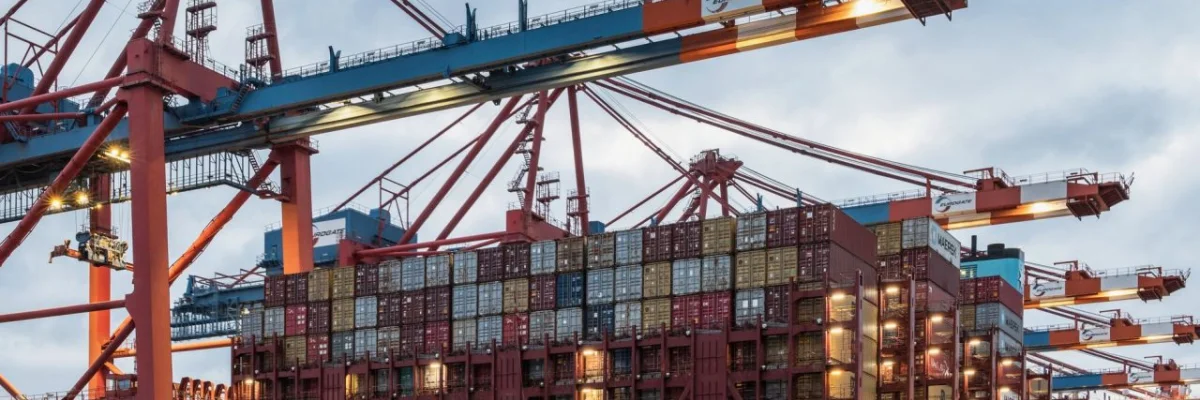
In the fast-paced world of international trade, the ability to provide accurate and immediate cargo visibility is no longer a luxury but a fundamental necessity for freight forwarders. Clients demand instant updates, leaving little room for error in an era defined by global supply chain volatility. By leveraging cloud-based platforms like MakeCargo, logistics professionals can transition from reactive communication to proactive data management. This shift not only improves operational efficiency but also strengthens client trust and retention. Understanding the mechanics of digital tracking is essential for any forwarder looking to remain competitive and deliver superior service in today's demanding market.
The Evolution of Visibility

Visibility has transformed from manual phone calls and spreadsheets into sophisticated automated systems that pull data directly from carrier APIs. This technological leap allows forwarders to monitor shipments across multiple modes of transport without manual data entry or human error.
- Automated Data Feeds: Integration with ocean and air carriers ensures that location status updates are pulled into your platform instantly without requiring constant manual checks from your operations team.
- Proactive Exception Alerts: Advanced tracking systems trigger immediate notifications when a shipment experiences unexpected delays or port congestion, allowing you to inform your clients before they even ask.
- Unified Digital Dashboard: Centralizing shipment data into one intuitive interface eliminates the need for toggling between different carrier portals, saving hours of productive work time every single week.
- Client Portal Access: Providing your customers with direct access to a branded tracking portal fosters transparency and reduces the volume of repetitive status inquiry emails significantly.
By moving away from siloed communication channels, companies can build a cohesive workflow that supports rapid decision-making. Digital visibility empowers your staff to focus on solving complex logistical problems rather than hunting for basic location data. When information flows freely through a centralized cloud environment, the entire supply chain becomes more resilient, predictable, and ultimately more profitable for your freight forwarding business operations today.
Optimizing Carrier Connectivity
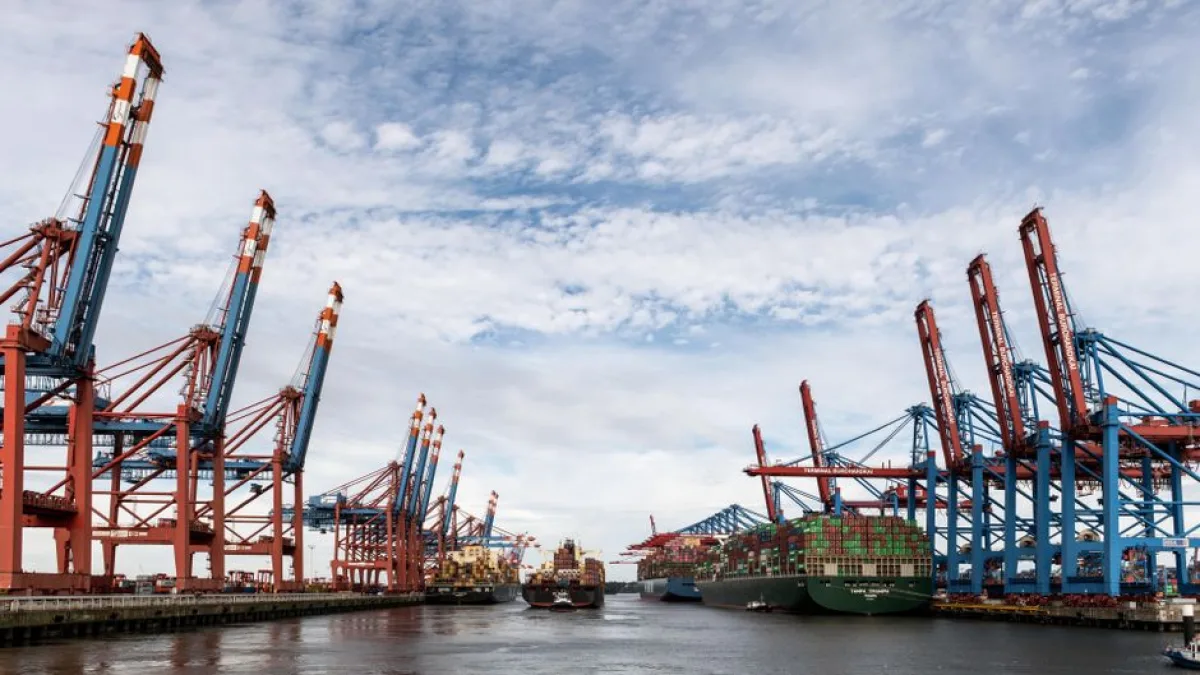
Establishing robust connections with global carriers is the backbone of reliable logistics. When forwarders harmonize their data integration strategy with carrier schedules, they create a seamless pipeline that tracks cargo from the origin warehouse to the final destination port.
- API Integration Power: Connecting your management software directly to major shipping line APIs provides a constant stream of tracking data that is always accurate and updated live.
- Standardized Data Formats: Translating complex carrier status codes into simple and understandable language ensures that both your team and your clients interpret shipment progress the same way.
- Multi-Modal Tracking Support: Advanced cloud platforms allow for unified tracking across road, rail, air, and ocean, ensuring that you maintain oversight regardless of the specific transport mode used.
- Real-Time Milestone Mapping: Precise mapping of every waypoint and stopover provides a granular view of transit performance that helps identify bottlenecks in your specific global shipping lanes.
Efficient connectivity reduces the latency that often plagues traditional logistics operations. By ensuring that your system speaks the same language as your carriers, you minimize the risk of data mismatches. This technical alignment is the foundation for building a high-performance logistics business that can scale effectively while maintaining strict quality control over every single shipment movement throughout the entire year.
Predictive Analytics in Shipping

Moving beyond tracking the past allows freight forwarders to predict future transit behaviors using advanced data trends. Predictive analytics leverage historical performance metrics to help planners anticipate arrival times more accurately than relying on carrier estimates alone during peak seasons.
- Historical Trend Analysis: Reviewing past transit times across specific trade lanes allows you to offer more realistic arrival windows to your customers during high-volume shipping periods.
- Bottleneck Risk Prediction: Identifying recurring delays at specific ports helps your team suggest alternative routing options to clients well before the cargo begins its scheduled long journey.
- Performance Benchmarking Tools: Comparing the reliability of different carriers based on your unique shipping data allows you to make informed decisions when selecting partners for future bookings.
- Automated Resource Allocation: Predicting workload spikes based on incoming shipment data allows managers to staff their teams effectively and avoid burnout during busy shipping cycles annually.
Harnessing the power of predictive data provides a distinct competitive advantage. Instead of merely reacting to events as they unfold, forwarders can now anticipate potential issues and implement mitigation strategies proactively. This forward-thinking approach transforms the logistics experience from a source of anxiety into a value-added service that justifies your premium rates and builds long-term loyalty with your biggest international clients.
Enhancing Customer Transparency

Transparency serves as the primary currency in modern freight forwarding. Providing clients with self-service tools and regular, transparent updates turns a standard service relationship into a strategic partnership, significantly reducing administrative overhead and improving overall satisfaction scores for everyone involved.
- White-Labeled Tracking Portals: Customizing the tracking interface with your company branding reinforces your professional image every time a customer logs in to check their shipment status updates.
- Instant Status Notifications: Automated email and SMS alerts keep your clients informed at every critical milestone, removing the need for them to manually check their shipment status.
- Comprehensive Document Access: Giving clients the ability to download invoices and bills of lading directly from the tracking page streamlines the entire post-shipping documentation handling process effectively.
- Responsive Support Integration: Placing a direct contact button within the tracking interface allows customers to ask specific questions about a shipment without leaving the platform environment.
Transparent communication is the most effective way to eliminate friction in the client experience. When users have total clarity regarding their cargo journey, the level of trust in your agency grows exponentially. By investing in these digital tools, you are not just selling freight space, but also the peace of mind that comes with knowing their valuable goods are under constant watch.
Conclusion

Mastering real-time tracking is a vital step toward scaling your freight forwarding business in a digital economy. By adopting cloud solutions that prioritize visibility, connectivity, predictive data, and client transparency, you position your agency for long-term success. Start leveraging MakeCargo tools today to streamline your operations and deliver the level of service that modern global supply chains require for future growth.