Mastering Real-Time Freight Tracking for Modern Logistics
Tuesday, October 27 2026

In the rapidly evolving world of global trade, freight forwarders face increasing pressure to provide transparency and speed. Customers no longer accept delayed status updates as a standard part of shipping, demanding instead instant access to their cargo locations. Modern freight software has transformed this landscape, enabling professionals to shift from reactive tracking to proactive shipment management. By leveraging cloud-based platforms, forwarders can now bridge the gap between complex port operations and client expectations. This transition requires a deep understanding of digital tracking tools that ensure cargo stays visible, secure, and on schedule throughout every stage of its long international journey.
The Evolution of Visibility

Digital dashboards now serve as the central nervous system for modern logistics operations. By consolidating data from various carriers and regional ports, these platforms allow forwarders to monitor multiple shipments simultaneously, identifying potential bottlenecks before they impact delivery timelines for clients.
- Automated status updates: Real-time integration with carrier APIs ensures that every milestone, from departure to final delivery, is instantly reflected in the dashboard for immediate stakeholder viewing and action.
- Centralized data access: Having all shipment documents and tracking logs in one location reduces administrative overhead and minimizes the risk of human error during complex manual data entry.
- Proactive anomaly detection: Advanced software identifies deviations from planned transit routes, allowing forwarders to alert clients early and implement contingency plans to mitigate significant delays or cargo loss.
- Enhanced client portals: Providing customers with secure login access to their own tracking data reduces the need for constant status inquiry emails and improves overall communication efficiency.
- Data driven decision-making: Analytics gathered from historical tracking information allow businesses to optimize future shipping routes and select more reliable carriers based on proven performance metrics.
Adopting these digital tools marks a turning point for logistics companies striving to remain competitive in a saturated market. When teams move away from manual spreadsheets and embrace integrated software, they unlock higher levels of precision. This strategic shift not only streamlines internal operations but also builds long-term trust with clients who value reliability above all else in their global supply chain management activities today.
Predictive Analytics for Logistics
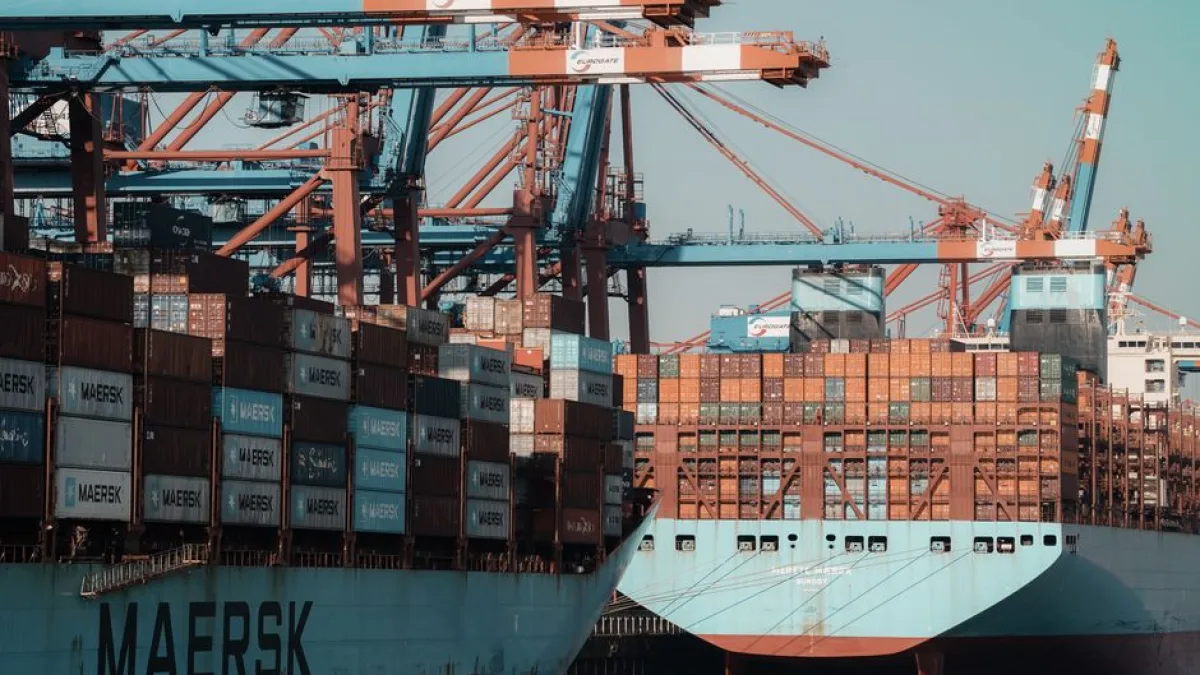
Predictive analytics uses historical trends to forecast potential shipment delays caused by weather, labor strikes, or port congestion. By anticipating these challenges early, freight forwarders can reroute cargo proactively, maintaining consistent service levels even when global conditions turn highly volatile.
- Weather pattern alerts: Sophisticated algorithms monitor global weather systems to predict delays, helping forwarders steer shipments away from storm paths to ensure safety and maintain delivery schedule integrity.
- Port congestion tracking: Real-time monitoring of average port dwell times allows users to choose alternative entry points or transport methods to avoid extended waiting periods at major hubs.
- Route optimization logic: Software tools evaluate multiple pathing options for ocean or air freight, selecting the most efficient sequence to save time and reduce overall fuel costs.
- Historical performance benchmarking: Comparing current carrier speeds against past data points helps management negotiate better service level agreements and prioritize the most efficient transport partners for future shipments.
- Demand forecasting accuracy: Analyzing shipping volume trends enables forwarders to prepare for peak seasons, ensuring adequate capacity and resources are available to meet client needs without disruption.
Integrating predictive logic into your daily workflow transforms how you manage risk. Instead of being blindsided by external disruptions, you stay one step ahead of the curve. Forwarders who utilize these insights effectively will find themselves better positioned to handle unexpected crises. This analytical approach ultimately saves valuable time, lowers operational costs, and positions your firm as a leader in reliable global logistics.
Connecting Stakeholders via Cloud

Cloud-based platforms create a unified ecosystem where carriers, customs agents, and shippers collaborate in real time. This connectivity eliminates the silo effect, ensuring that every participant in the supply chain has access to the same information regarding cargo status.
- Instant information sharing: Cloud infrastructure allows multiple departments to view and edit shipment data simultaneously, ensuring that everyone stays updated regardless of their geographic location or time.
- Streamlined document flow: Digital storage of bills of lading and commercial invoices allows for instant retrieval, which significantly speeds up customs clearance and reduces physical paperwork requirements.
- Seamless communication channels: Built-in messaging features within the platform keep all correspondence attached to the specific shipment file, preventing critical details from getting lost in cluttered email inboxes.
- Role based access control: Administrators can set specific viewing permissions, ensuring that sensitive financial or proprietary cargo data remains protected while still enabling necessary third-party collaboration.
- Scalable infrastructure growth: Cloud systems grow with your business needs, allowing you to add new users or regions without requiring expensive hardware upgrades or complex local software installations.
Communication is the bedrock of successful freight forwarding and cloud technology provides the structure needed to excel. By removing barriers to information, your team can resolve issues faster and coordinate complex moves with ease. When every stakeholder sees the same data, accountability increases and performance improves across the entire supply chain. Embracing this connectivity is essential for any modern logistics company aiming for excellence.
Optimizing Client Experiences

Exceptional client experiences are built on the foundation of radical transparency and consistent engagement. By providing customers with accurate tracking tools, freight forwarders create a sense of security and control that keeps clients loyal and satisfied throughout their shipping experience.
- Automated notification triggers: Configuring alerts based on specific events ensures that clients receive timely updates via email or mobile push, reducing their anxiety during long transit periods.
- Transparent cost tracking: Providing clear visibility into landed costs and hidden fees helps clients understand their total expenditure, fostering a transparent relationship based on financial honesty.
- Customizable reporting tools: Allowing clients to generate their own performance reports saves your staff time while providing customers with the specific metrics they need for their management.
- Personalized service delivery: Digital platforms allow forwarders to tag shipments with special handling notes, ensuring that individual client preferences are respected during every step of transit.
- Rapid issue resolution: Direct access to support teams through the platform ensures that client concerns are addressed immediately, preventing small frustrations from escalating into serious service failures.
Prioritizing the client experience requires more than just moving cargo from point A to point B. It involves treating information as a high-value asset that you deliver alongside physical goods. When you consistently provide clear and proactive tracking information, you add tangible value to your services. This focus on user experience is the primary factor that drives long-term customer retention and business growth.
Conclusion
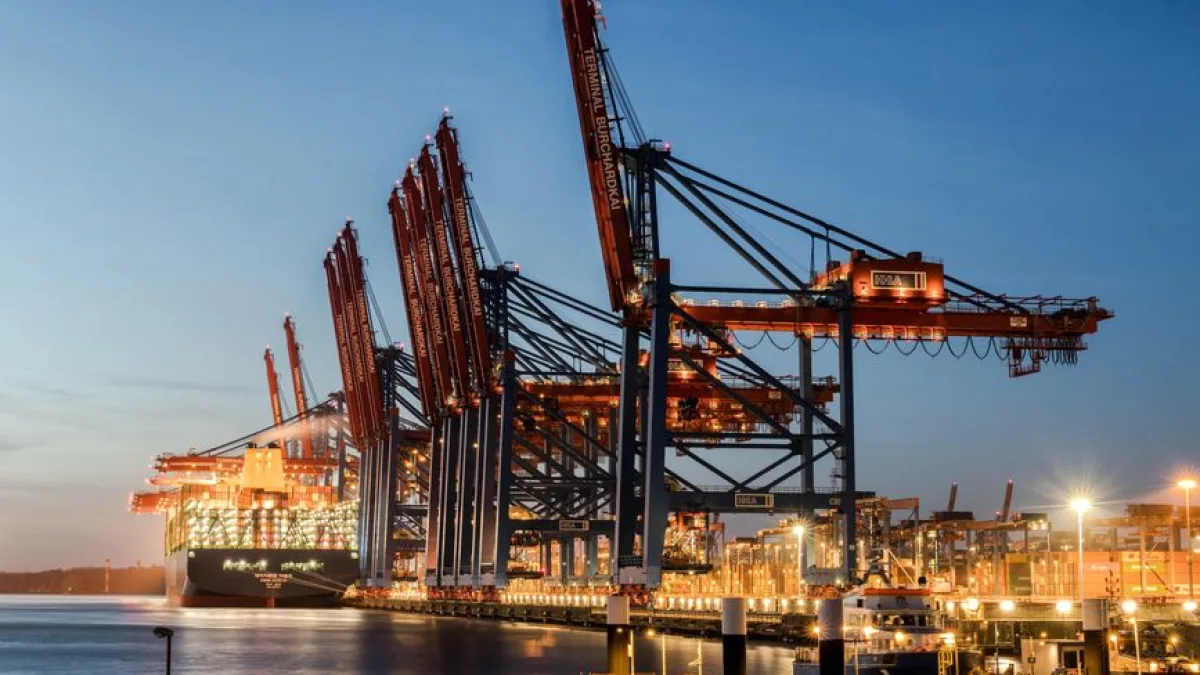
Advancing your logistics capabilities requires a commitment to digital integration and continuous process improvement. By utilizing real-time tracking, predictive analytics, and cloud connectivity, freight forwarders can overcome traditional industry challenges. These modern tools provide the visibility and efficiency necessary to excel in a demanding global market. Start your transformation today by evaluating your current tracking software to ensure it supports your long-term operational goals.