Mastering Real-Time Freight Tracking for Modern Logistics
Saturday, October 31 2026

In the current global landscape, freight forwarders are under immense pressure to deliver transparency and speed. Customers no longer accept vague arrival estimates or limited status updates. Real-time tracking has evolved from a luxury feature into a mandatory requirement for operational excellence. By integrating advanced cloud technology into your daily workflows, you can proactively manage transit exceptions and provide clients with accurate, live data. This shift not only improves service reliability but also fosters long-term loyalty. As the industry becomes increasingly digitized, those who adopt robust tracking solutions will secure a definitive competitive advantage in the international market.
The Evolution of Visibility
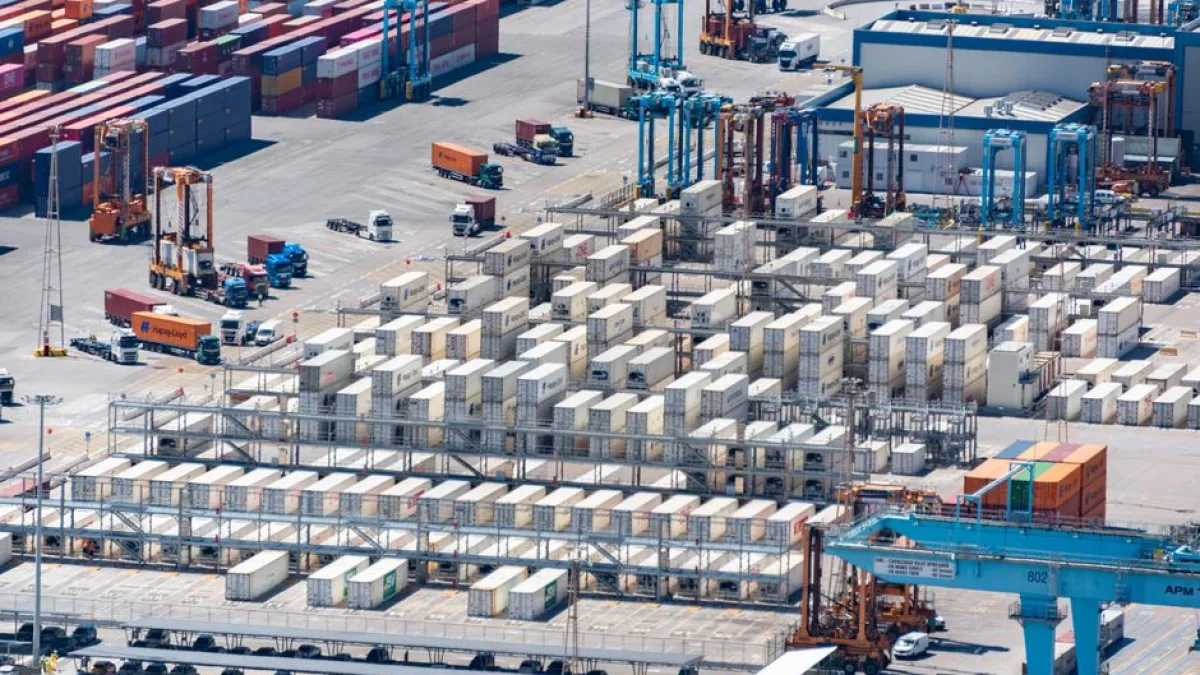
Visibility has transformed from manual phone updates to automated digital streams. Modern platforms utilize IoT sensors and GPS integrations to map cargo journeys across complex multimodal networks with pinpoint accuracy for logistics teams worldwide.
- Automated status updates: Eliminate manual entry by triggering automatic notifications whenever a shipment reaches a new milestone or terminal, ensuring your team remains focused on high-level decision making and exception resolution.
- IoT sensor integration: Utilize advanced hardware to monitor environmental conditions such as temperature and humidity, providing essential data integrity for sensitive goods moving through volatile international shipping lanes and diverse climates.
- Live GPS tracking: Access real-time location data for your active fleet and cargo vessels to provide stakeholders with reliable updates that reflect the current physical position of their goods.
- Predictive arrival modeling: Leverage sophisticated algorithms that analyze historical data and current port congestion levels to calculate accurate arrival windows that help your customers plan their supply chain operations.
Adopting these advanced tools allows your agency to move beyond reactive customer support. Instead of chasing carriers for updates, your team can access a unified dashboard that highlights potential bottlenecks before they impact the final delivery. This transition saves hundreds of hours annually, allowing your staff to focus on strategic growth rather than repetitive administrative data entry tasks that hinder operational productivity and profit margins.
Optimizing Shipment Data Flow

Data silos often break the logistics chain, creating friction in communication between carriers and clients. Creating a centralized information hub ensures that every party sees identical facts, which reduces errors significantly throughout the documentation process.
- Centralized data management: Consolidate all shipping documents and status reports within a single cloud platform to prevent information loss and ensure that every team member accesses the latest version.
- API carrier connectivity: Establish direct connections with major global carriers to pull real-time movement data directly into your interface without requiring human intervention or external website browsing for status.
- Standardized reporting formats: Use consistent digital templates to share tracking insights with customers, which helps build trust and creates a professional image for your freight forwarding brand globally.
- Exception management tools: Identify delays as they occur so that your staff can provide alternatives to clients immediately, turning potential service failures into opportunities for demonstrating exceptional professional reliability.
Efficient data flow is the backbone of a successful freight operation. By synchronizing your internal systems with external carrier portals, you ensure that information remains consistent from origin to destination. This level of synchronization minimizes manual errors, speeds up billing cycles, and enhances overall transparency. Your clients will appreciate the professional precision, leading to increased retention rates and better overall business outcomes.
Enhancing Customer Communication

Clear communication is the hallmark of a high-quality freight forwarder. By providing customers with a self-service tracking portal, you empower them to find answers instantly, which reduces your inbound support ticket volume significantly every day.
- Customer tracking portals: Provide clients with secure access to a branded dashboard where they can track their specific shipments 24/7 without needing to contact your internal support team.
- Custom notification triggers: Allow your clients to choose how and when they receive alerts, ensuring that they get the most relevant information without being overwhelmed by unnecessary digital noise.
- Proactive exception alerts: Send automatic messages when a cargo vessel is delayed or a port experiences closure, maintaining trust through honest communication before the customer even notices the issue.
- Integrated communication history: Maintain a clear record of all conversations regarding a specific shipment so that any team member can step in to assist a client with confidence.
When you provide transparency, you build lasting trust. Giving clients the ability to monitor their own freight ensures they feel supported and informed at every stage of the journey. This self-service approach saves your team time and helps you scale your operations efficiently. Investing in these communication tools is a direct investment in the long-term health and reputation of your logistics business.
Leveraging Analytics for Performance

Raw data becomes powerful intelligence when analyzed correctly. Freight forwarders who track performance metrics can identify recurring delays and adjust their carrier selections to improve reliability and reduce overall costs for their valued clients.
- Carrier performance metrics: Analyze historical transit times to determine which shipping lines offer the best reliability, helping you make informed decisions when planning future logistics routes for clients.
- Operational efficiency tracking: Measure the time spent on manual tracking tasks to identify areas where automation could further optimize your internal workflows and boost overall employee performance metrics.
- Customized business reports: Generate detailed analytics reports for key accounts to demonstrate the value your service provides while identifying areas for mutual improvement within their shipping strategies.
- Route optimization insights: Use collected historical data to suggest more efficient routing options to your customers, effectively lowering their carbon footprint and transit costs through smarter logistical planning.
Analytical tools provide the insights needed for sustainable growth. By tracking your performance, you can refine your operations, reduce unnecessary costs, and provide even higher quality service. This evidence-based approach to logistics management ensures you remain ahead of competitors while consistently delivering value to your customers. Make data-driven decisions your default strategy to ensure your freight forwarding business stays profitable and resilient.
Conclusion

Modern freight tracking is an essential asset for forward-thinking professionals. By utilizing cloud-based platforms to automate updates, centralize data, and empower your clients, you build a foundation for success. Focus on leveraging technology to improve visibility and communication across your entire network. Start optimizing your operations with MakeCargo today to ensure that your logistics services remain fast, reliable, and transparent for all global partners.