Mastering Real-Time Freight Tracking for Modern Logistics
Sunday, November 1 2026

In the fast-paced world of international trade, visibility is no longer a luxury but a fundamental necessity for freight forwarders. Clients demand instant updates regarding their shipments as goods move across complex global supply chains. By leveraging cloud-based platforms, professionals can gain unprecedented control over ocean, air, and land freight. This shift toward digital transformation helps mitigate delays, reduce communication overhead, and improve overall client trust. Adopting sophisticated tracking tools ensures that your company remains competitive while navigating the unpredictable nature of modern logistics. Embrace the power of data to turn supply chain uncertainty into a reliable and transparent shipping experience.
The Evolution of Visibility

Modern digital tools have replaced manual spreadsheets, providing teams with real-time oversight of every cargo movement. This transformation enables forwarders to monitor vessels and trucks directly from their browser, ensuring that critical data points are always available to the operations team.
- Automated status updates: Real-time notifications ensure that your team stays informed about vessel departures and arrivals without needing to manually check carrier websites or wait for outdated email status reports.
- Centralized data access: Having a single source of truth for all documentation and tracking milestones allows your staff to respond quickly to client inquiries and resolve potential operational bottlenecks.
- Cloud integration benefits: Moving logistics data to the cloud provides flexibility for remote teams to collaborate on shipments, ensuring that visibility remains consistent regardless of the staff location or time.
- Client portal access: Offering your customers a dedicated dashboard to view their own shipment status significantly reduces the volume of repetitive status update requests handled by your support team members.
Digital visibility transforms how freight forwarders operate by eliminating the dependency on fragmented manual updates. By centralizing data within a cloud-based platform, companies can streamline their internal processes and provide a superior level of service. This proactive approach to shipment management allows for faster decision-making when disruptions occur, ultimately saving valuable time and protecting the reputation of your forwarding business in a competitive market.
Reducing Operational Transit Delays
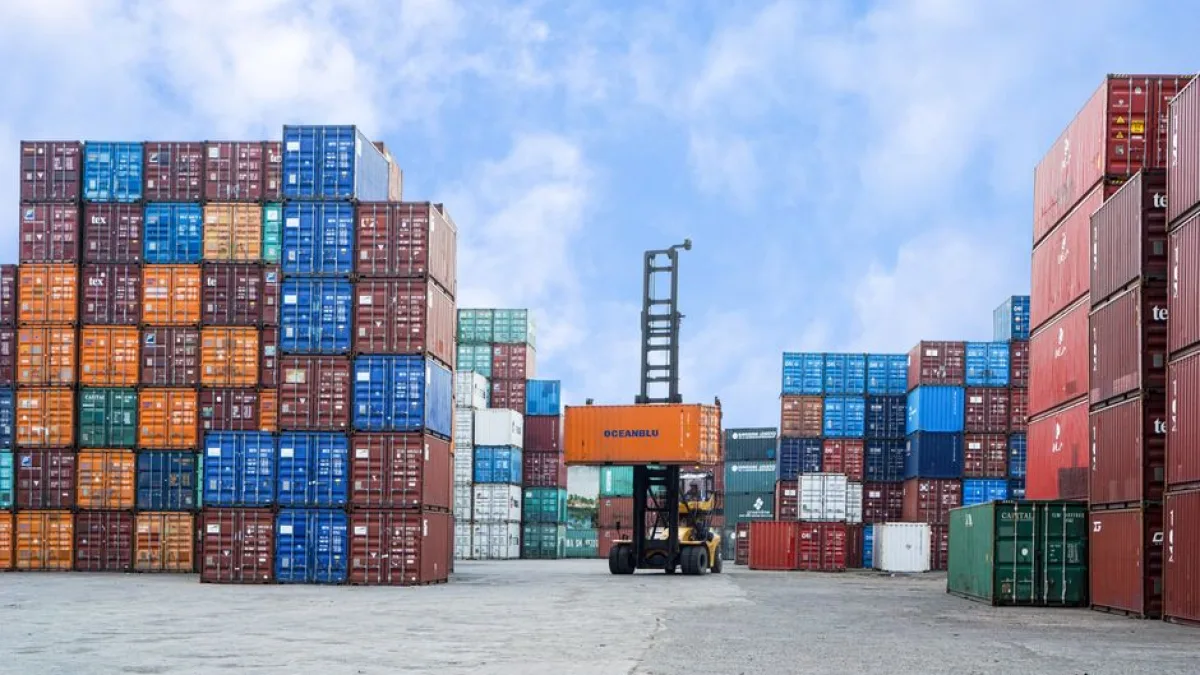
Delays are an inevitable part of international shipping, but proactive tracking allows forwarders to manage these interruptions effectively. With precise location data, you can inform clients early and adjust logistics planning to minimize the impact of port congestion or weather.
- Early anomaly detection: Identifying a shipment delay early in the transit process allows your team to communicate transparently with stakeholders and explore alternative routing options before problems escalate further.
- Predictive arrival modeling: Modern software uses historical transit data to forecast potential arrival times with higher accuracy, helping your clients plan their warehouse intake and inventory management cycles accordingly.
- Port congestion tracking: Monitoring real-time activity at major global hubs enables you to anticipate bottlenecks and proactively suggest re-routing or storage solutions to keep your clients cargo moving.
- Automated carrier alerts: Integrated systems can parse incoming carrier data to alert your team immediately when a vessel is delayed, allowing for instant adjustments to downstream transport or final delivery.
Managing delays efficiently is the hallmark of a professional freight forwarder. When your team has immediate access to transit data, you become a partner in problem solving rather than just a service provider. These tools allow you to take charge of the supply chain, ensuring that even when unexpected issues arise, your clients remain confident in your ability to manage their logistics successfully.
Enhancing Client Communication Standards

Consistent communication builds lasting relationships with clients who rely on your expertise to move their goods. When you provide clear, data-driven updates, you establish credibility and transparency that keeps customers returning to your business for all their future freight needs.
- Customizable email templates: Sending automated and branded updates to your clients ensures that your communication remains professional and consistent while saving hours of manual drafting work every single week.
- Exception based reporting: Focus your communication on critical events that require client attention, ensuring that your customers are not overwhelmed with minor updates while remaining informed on major milestones.
- Multi-channel notification options: Delivering tracking updates through SMS, email, or direct platform notifications ensures that clients can choose their preferred method of receiving important information about their active shipments.
- Historical data logging: Keeping a detailed log of every communication and status change provides an audit trail that is useful for resolving disputes and maintaining high service standards.
Effective communication is built upon trust and the timely exchange of information. By utilizing sophisticated tracking technology, you can elevate your client interactions from simple status updates to meaningful partnership check-ins. This level of service differentiates your company from competitors who still rely on sporadic communication, helping you secure long-term contracts and build a reputation for reliability in the global shipping industry.
Optimizing Future Shipping Routes

Tracking is not just about the present shipment but also about analyzing past performance to improve future outcomes. By auditing historical transit data, forwarders can identify which carriers or routes provide the most consistent results for their clients specific cargo requirements.
- Carrier performance metrics: Tracking data allows you to measure carrier reliability over time, helping your team make informed decisions when selecting partners for complex or time-sensitive international trade lanes.
- Route efficiency analysis: Comparing transit times across different regions reveals the most efficient paths for your goods, allowing you to optimize costs and reduce total lead times for customers.
- Cost benefit evaluation: Using tracked data to correlate transit times with shipping costs helps you build more competitive rate cards and offer better value propositions to your core client base.
- Strategic network planning: Analyzing long-term tracking trends allows your business to scale operations effectively by identifying emerging logistics corridors that could offer strategic advantages for your future shipping projects.
Continuous improvement is essential for growth in the freight forwarding sector. Using tracking data to inform your future decisions transforms your business from a reactive entity into a strategic supply chain advisor. By consistently reviewing how your shipments move, you can identify hidden opportunities for savings and efficiency, ensuring that your company remains at the forefront of the industry for years to come.
Conclusion
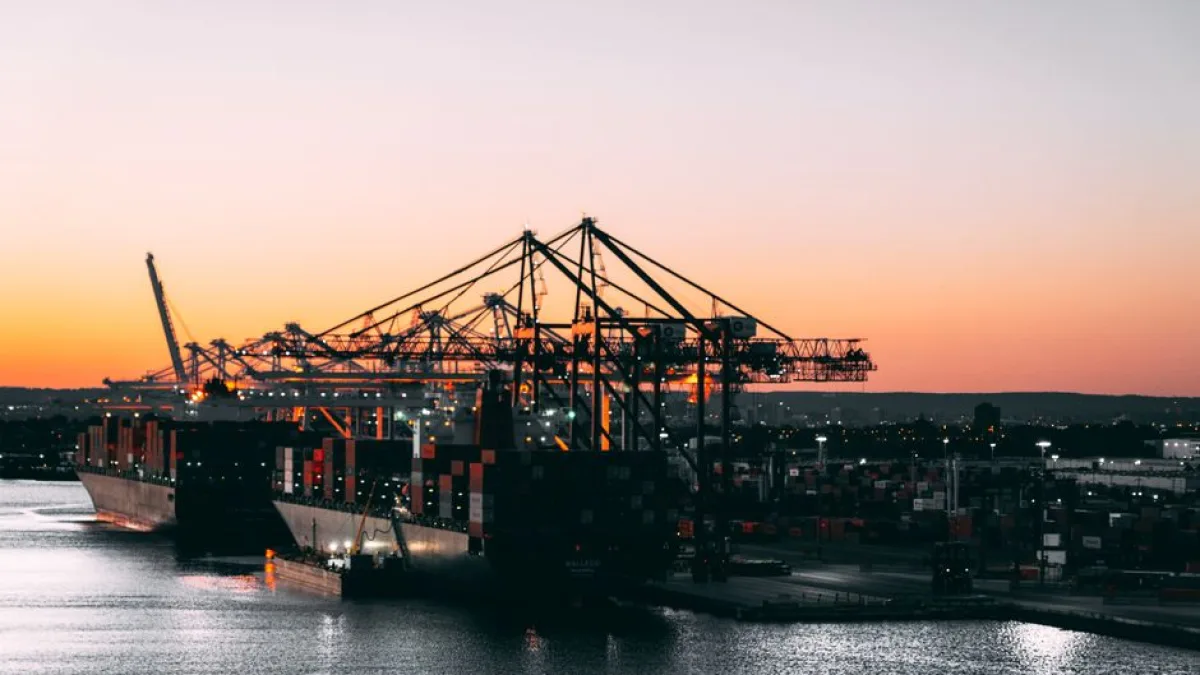
Mastering real-time tracking is the key to unlocking efficiency and trust in modern logistics. By adopting cloud-based tools, you empower your team to provide transparency, reduce delays, and improve communication. These improvements not only satisfy your existing clients but also provide a strong foundation for future business growth. Start integrating these advanced tracking solutions into your daily operations to stay ahead of the curve.