Mastering Real-Time Shipping and Tracking for Freight Forwarders
Friday, July 31 2026
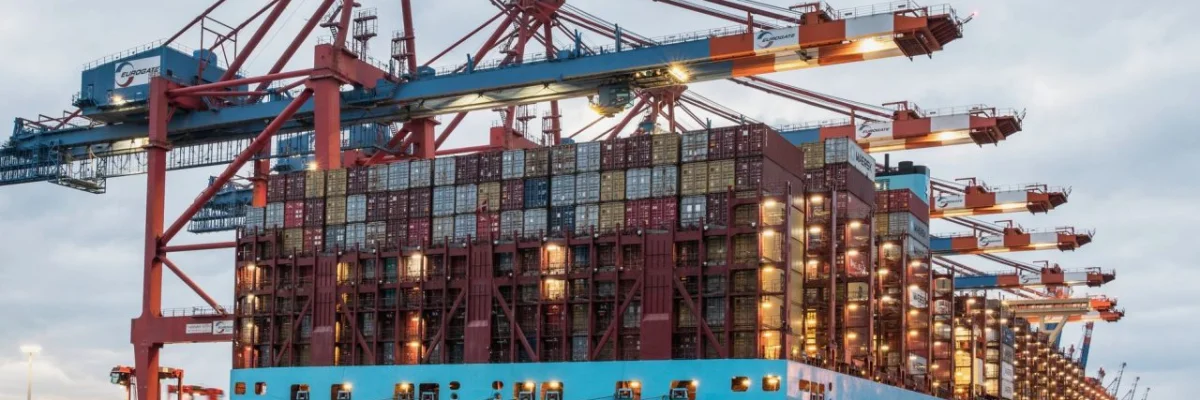
Modern freight forwarding demands absolute precision and transparency in the global supply chain. As logistics networks grow more complex, the ability to provide real-time visibility into cargo movement has shifted from a premium service to an essential operational baseline. Freight forwarders must leverage advanced digital tools to manage expectations and mitigate risks effectively. By integrating cloud-based platforms like MakeCargo, professionals can transform their tracking capabilities, reduce communication bottlenecks, and foster trust with their clients. This evolution in tracking technology allows forwarders to move beyond manual updates, ensuring that every shipment is monitored with accuracy throughout its entire international journey.
The Power of Visibility

Visualizing shipment data is the cornerstone of modern logistics management. Having a comprehensive view of all active transport legs allows teams to identify potential bottlenecks before they escalate into major disruptions, ensuring that information flows seamlessly across every stakeholder involved.
- Centralized Data Access: Consolidate all tracking information from various carriers into a single user friendly interface that eliminates the need for manual data entry and reduces potential human error.
- Automated Status Updates: Configure proactive system notifications that trigger whenever a shipment status changes, keeping your clients informed without requiring them to contact your team for manual checks.
- Exception Management Tools: Utilize intelligent alerts to detect unexpected delays at ports or transit hubs, allowing your operations staff to implement contingency plans immediately and minimize client impact.
- Real-Time Analytics: Leverage historical tracking data to evaluate carrier performance over time, enabling your team to make more informed decisions when selecting partners for future high value shipments.
Investing in visibility tools empowers your team to reclaim valuable time currently spent on repetitive status inquiries. When your customers have access to an intuitive portal, your support staff can focus on high level strategy and complex problem solving. This shift improves operational efficiency while simultaneously building stronger, more transparent relationships with your clients who depend on timely information for their own inventory planning.
Leveraging Automated Notifications
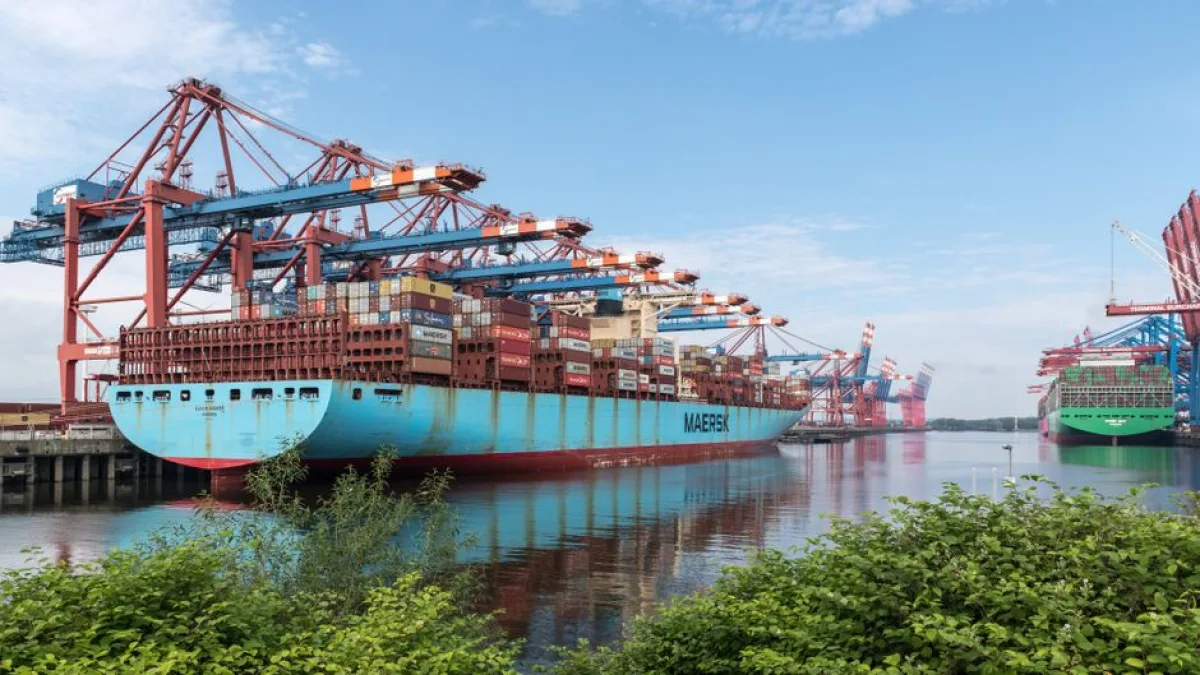
Automation in communication acts as the heartbeat of a responsive supply chain. By setting up automated workflows, forwarders ensure that critical milestone updates reach the right stakeholders exactly when they happen, removing the latency associated with traditional email based manual communication methods.
- Proactive Milestone Alerts: Schedule automatic messages for departures and arrivals so that your clients receive precise updates without having to chase information through long email chains or phone calls.
- Customized Communication Rules: Tailor your update preferences based on specific client requirements, ensuring that every customer receives the exact level of detail they need to manage their internal operations.
- Multi-Channel Delivery Options: Distribute tracking information via email or integrated platform dashboards to ensure that your stakeholders stay informed regardless of the communication method they prefer to use daily.
- Consistent Brand Experience: Send updates with professional formatting that reflects your company identity, reinforcing your brand image as a reliable and technologically forward thinking partner in global logistics.
Automated notifications bridge the gap between complex logistical operations and the need for clear client communication. When systems handle the routine updates, your team eliminates the possibility of forgotten emails or missed status changes. This creates a predictable service flow that customers appreciate, as they can reliably count on your platform to provide accurate information throughout the entire transit process of their cargo.
Integrating Carrier Data Effectively

Seamless integration with global carrier networks is necessary for any logistics provider striving for excellence. Bringing data from diverse shipping lines and freight agents into a single cloud environment provides the holistic perspective required to manage modern international trade operations.
- Unified API Connections: Connect your platform directly to major global shipping lines and air freight carriers to pull status data instantly into your dashboard without external platform switching.
- Standardized Data Formats: Translate varying carrier update styles into a single, unified language that your staff and clients can easily understand, regardless of the different systems used worldwide.
- Real-Time Port Integration: Gain immediate insights into port congestion and vessel delays by pulling live terminal data directly into your tracking interface for better overall shipment planning and accuracy.
- Enhanced Data Accuracy: Reduce discrepancies between your internal records and carrier reports by utilizing automated synchronization features that ensure both systems always reflect the same shipment status information.
Consolidating diverse carrier data streams eliminates the confusion typically caused by mismatched terminology or outdated reporting cycles. When your software acts as a single source of truth, you avoid the common pitfalls of fragmented communication. This integration not only saves time but also provides the data consistency needed for sophisticated reporting, allowing your team to demonstrate professional reliability to every single client.
Scaling Through Cloud Technology

Cloud-based platforms provide the scalability and flexibility required for freight forwarders to handle increasing volumes without compromising service quality. By moving your tracking infrastructure to the cloud, you ensure that your operations are accessible from anywhere in the world at any time.
- Remote Operational Access: Enable your team members to manage shipments and monitor global cargo movements from any location, facilitating greater flexibility and responsiveness in a modern work environment.
- Secure Data Storage: Benefit from enterprise grade security protocols that protect your shipment data and client information against cyber threats while ensuring that backups are performed automatically daily.
- Rapid System Deployment: Implement new tracking features and software updates globally across your organization within minutes, ensuring that your team always has access to the most advanced tools available.
- Cost Effective Scaling: Expand your capacity to manage larger volumes of freight without the need for significant hardware investments or the constant maintenance of complex local servers.
Transitioning to cloud technology prepares your forwarding business for future growth by removing traditional IT limitations. With a flexible and robust software foundation, you can easily adapt to changing market conditions and increasing customer demands. This scalable approach allows you to focus on growing your business while feeling confident that your tracking infrastructure can handle the increased complexity of global operations.
Conclusion

Optimizing your shipping and tracking processes is essential for maintaining a competitive edge in the fast paced freight forwarding industry. By utilizing cloud based platforms, you can enhance visibility, automate communication, and streamline data integration effectively. Start leveraging these powerful digital tools today to boost your operational efficiency, satisfy your clients, and prepare your business for sustainable long term growth in global trade.