Mastering Real-Time Shipping and Tracking for Freight Forwarders
Tuesday, August 4 2026
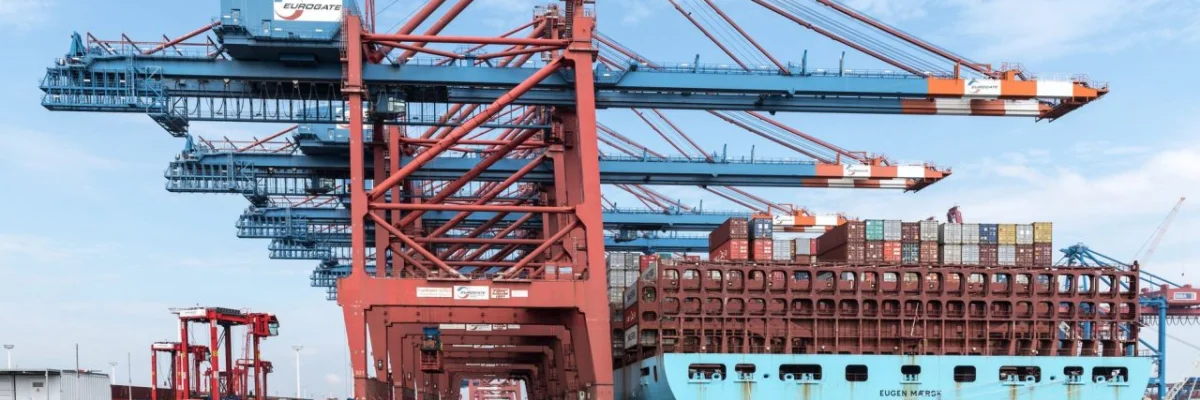
In the modern logistics landscape, freight forwarders face increasing pressure to provide instant visibility across global supply chains. As clients demand granular data regarding their cargo status, moving away from manual spreadsheets is essential for maintaining a competitive edge. Leveraging cloud-based platforms allows firms to integrate real-time tracking directly into their workflows, reducing communication overhead and minimizing human error. By centralizing documentation and location updates within a single dashboard, logistics professionals can proactively manage exceptions, enhance customer satisfaction, and build long-term operational resilience that scales effectively alongside the growing complexity of international trade routes and maritime transport requirements.
The Evolution of Tracking Technology

The transition toward digital tracking tools has transformed how forwarders monitor global movements. High-fidelity GPS data combined with satellite connectivity enables precise location monitoring of assets as they traverse oceans, ensuring that stakeholders receive accurate arrival estimates without relying on fragmented manual updates.
- Enhanced Data Accuracy: Automated systems eliminate manual data entry risks by syncing directly with carrier APIs, providing forwarders with live information that remains consistent across all internal software platforms.
- Proactive Exception Handling: Real-time alerts notify teams immediately when a vessel experiences delays, allowing forwarders to communicate potential issues to customers before they escalate into major disruptions.
- Improved Carrier Integration: Modern platforms bridge the gap between various shipping lines, pulling standardized data into a single view to simplify the complex task of monitoring mixed-carrier fleets.
- Historical Performance Analytics: By storing previous shipping data, companies can identify trends and optimize future logistics planning based on reliable metrics rather than relying on educated guesswork alone.
Adopting these sophisticated digital tracking technologies significantly reduces the time spent on administrative tasks. When data flows automatically from the carrier to your dashboard, team members can focus on higher-value activities like relationship management and strategic growth. This shift not only lowers operational costs but also positions your forwarder as a reliable partner in an increasingly volatile global market that values transparency.
Centralizing Data for Operational Efficiency

Consolidating all shipping data into one accessible platform removes silos and facilitates better collaboration. Forwarders gain a holistic view of every shipment in progress, enabling faster decision-making and ensuring that every team member has access to the most current logistics information available today.
- Unified Interface Access: A single dashboard brings all shipment details together, ensuring that your team no longer wastes time toggling between different carrier portals to find information.
- Collaborative Team Environments: Shared access allows different departments to view live updates simultaneously, which streamlines internal communication and ensures that everyone follows the same shipment timelines.
- Automated Client Notifications: Trigger-based email updates keep customers informed about their cargo progress without requiring any manual intervention from your logistics coordinators during the shipment lifecycle.
- Scalable Cloud Infrastructure: Cloud-based software grows with your business, allowing you to add new users and data connections without needing to manage complex on-premise hardware setups.
Creating a single source of truth within your organization helps eliminate the confusion caused by disparate data sources. When everyone works from the same live dashboard, internal errors decrease and productivity gains follow naturally. This level of synchronization is essential for scaling a freight forwarding business that aims to handle high volumes while maintaining a personal touch for every single client.
Enhancing Customer Transparency and Trust

Providing clients with direct access to tracking information builds significant trust and loyalty. Customers appreciate the ability to monitor their cargo independently, knowing that they can rely on the accuracy of the information provided through your professional freight forwarding software portal.
- Self-Service Client Portals: Allow customers to check the status of their cargo whenever they need, which reduces the number of inbound status inquiry calls to your office.
- Customizable Status Reports: Generate professional reports that align with your company branding, giving clients the detailed insights they need for their own internal distribution planning.
- Real-Time Milestone Visibility: Provide granular updates on key milestones like cargo pickup, customs clearance, and final delivery to keep your clients informed at every critical step.
- Increased Brand Credibility: Offering a sophisticated digital interface reinforces your reputation as a forward-thinking partner that utilizes the latest technology to serve global trade requirements.
Transparency is the foundation of a strong partnership in logistics. When you give your clients the power to see their shipping data in real-time, you demonstrate a commitment to honesty and efficiency. This proactive approach to communication not only minimizes frustration during transit delays but also strengthens your professional relationships, helping you secure repeat business and positive referrals in a crowded industry.
Optimizing Workflows with Predictive Analytics

Looking ahead, predictive analytics helps forwarders anticipate problems before they occur. By analyzing historical shipping patterns and live traffic data, software platforms can offer valuable insights that help teams make informed decisions about routing, vessel selection, and overall supply chain management strategy.
- Predictive Delay Modeling: Advanced algorithms assess weather patterns and port congestion to forecast potential delays, allowing you to suggest alternative routes to your clients well ahead.
- Cost Optimization Strategies: Identify the most cost-effective shipping lanes and carrier options by comparing performance data, which ultimately helps reduce overhead costs for your logistics business.
- Inventory Planning Support: Provide your clients with data-driven insights that assist them in managing their inventory levels based on reliable arrival times and transit performance metrics.
- Actionable Strategic Insights: Turn raw shipping data into meaningful reports that inform your long-term business strategy, helping you stay ahead of competitors in the freight industry.
Predictive tools represent the next frontier for professional freight forwarders. By moving from reactive tracking to proactive analytics, you provide a level of service that goes beyond simple movement of goods. This strategic advantage allows your company to solve complex logistical challenges for your clients, turning your forwarding business into an indispensable asset within their global supply chain management strategy for years.
Conclusion

Modernizing your approach to shipping and tracking is essential for success in the current freight forwarding industry. By adopting cloud-based platforms that prioritize real-time visibility, data centralization, and client transparency, you can streamline operations and improve overall customer satisfaction. Start integrating these advanced tools into your daily workflow today to build a more efficient, reliable, and scalable business that thrives in the global market.