Mastering Real-Time Shipping and Tracking for Freight Forwarders
Thursday, September 3 2026

In the modern logistics landscape, freight forwarding professionals face increasing pressure to provide absolute transparency. Customers no longer accept delayed updates or manual status checks. As global supply chains become more volatile, the ability to monitor cargo movement in real-time has transitioned from a competitive advantage to an operational necessity. By leveraging advanced cloud-based platforms, forwarders can integrate live tracking data directly into their workflows, minimizing communication gaps and enhancing client trust. This shift toward digital visibility allows logistics teams to proactively address potential disruptions, ensuring that every shipment arrives at its final destination on time and without unexpected complications.
The Evolution of Visibility

Modern digital dashboards provide a centralized view of all global transit activities, transforming how teams monitor cargo. This shift towards comprehensive digital monitoring helps logistics professionals identify bottlenecks before they impact the final delivery schedule for their valuable shipping clients.
- Automated status updates: Cloud systems automatically push notifications when cargo reaches key checkpoints, reducing the manual burden on office staff who previously had to email carriers for routine status reports.
- Centralized data access: Having every document and location status stored in one secure location allows team members to respond to customer inquiries with complete accuracy and speed.
- Integration with carriers: Modern software links directly with carrier APIs to fetch live location data, ensuring that your tracking dashboard always displays the most current movement information.
- Proactive exception management: Advanced tracking systems highlight delays or transit issues immediately, enabling your operations team to resolve problems long before the client realizes a shipment is off schedule.
- Scalable operational efficiency: Digital tracking tools handle thousands of shipments simultaneously without requiring additional headcount, allowing your freight forwarding business to grow revenue while maintaining lean overhead costs today.
Adopting automated visibility tools is essential for maintaining a competitive edge in a crowded marketplace. When your operations team relies on high-quality data rather than fragmented email threads, service quality improves significantly. This efficiency creates a positive feedback loop, encouraging long-term client retention and operational stability. Implementing these technologies today will position your firm as a modern leader capable of handling complex logistics demands.
Optimizing Ocean Freight Tracking
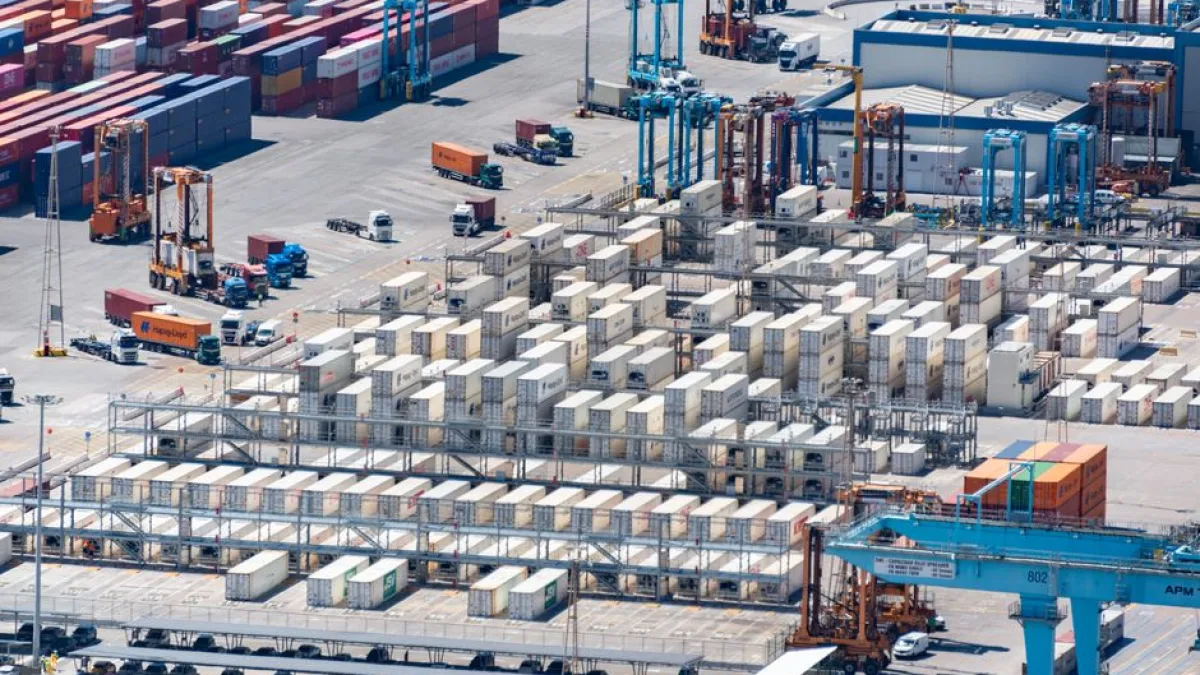
Ocean freight presents unique visibility challenges due to extended transit times and complex port transitions. Effective tracking requires robust communication between your management software and various ocean carriers to provide accurate, reliable arrival estimates for all your international shipping partners.
- Port congestion alerts: Real-time monitoring tracks vessel arrivals at major hubs, providing early warnings about terminal congestion so you can adjust pickup schedules for your transport drivers accordingly.
- Live vessel tracking: Integration with global satellite systems offers precise vessel coordinates, helping your team keep customers informed about their cargo location while it crosses the oceans.
- Milestone tracking accuracy: Capture every critical event from terminal gate-in to final discharge, ensuring that your records match the reality of physical cargo movement across global waters.
- Data driven scheduling: Use historical arrival data to predict future transit times more accurately, which helps your clients plan their inventory management with much higher levels of confidence.
- Enhanced reporting features: Generate detailed reports on carrier performance to identify which shipping lines provide the most reliable service, allowing for better strategic decision-making in future negotiations.
Managing ocean freight effectively demands a deep understanding of vessel schedules and terminal operations. By centralizing this information within a cloud platform, you remove the guesswork from your supply chain management. This clarity allows your staff to focus on high-value tasks rather than chasing shipping lines for status updates. Build a more transparent operation by prioritizing data accuracy throughout your ocean transport network.
Streamlining Air Cargo Monitoring

Air cargo demands extreme precision because transit windows are significantly shorter than ocean freight. Speed is the primary value proposition, so your tracking tools must be capable of providing rapid, high-frequency updates to keep stakeholders informed of urgent changes.
- Rapid status refreshes: Because air shipments move quickly, your dashboard must sync with airline systems frequently to ensure that every location update remains relevant and actionable for clients.
- Custom notification rules: Configure automated alerts that trigger specifically for air shipments, ensuring your logistics coordinators are notified instantly if a flight is delayed or rerouted globally.
- Seamless airport coordination: Monitor ground handling status at major airports to understand when cargo has been cleared, palletized, and loaded onto the aircraft for its next departure.
- Direct client portals: Provide your high-volume shippers with access to a branded portal where they can view their own air freight status without waiting for an email.
- Critical shipment tracking: Use dedicated modules to flag time-sensitive shipments, ensuring they receive priority attention from your operations staff throughout the entire air transport and delivery process.
Air freight logistics is a fast-paced environment where information lag can cause significant financial disruption. By automating your monitoring workflows, you ensure that every stakeholder is aligned on the status of urgent cargo. This level of reliability distinguishes your brand from competitors who still rely on legacy tracking methods. Invest in tools that support high-speed data flow to manage air cargo effectively.
Building Client Trust Through Data

Trust is earned through consistent, accurate information delivered directly to the client. By providing your customers with a reliable window into their supply chain, you demonstrate professional competence and foster stronger relationships that endure beyond a single shipping transaction.
- Branded tracking pages: Offer your clients a professional experience with custom-branded tracking links that reflect your company identity while providing real-time data from your logistics software platform.
- Automated email reporting: Set up scheduled status reports that go directly to client inboxes, eliminating the need for their staff to log into external systems for routine updates.
- Historical data archives: Allow your clients to access their full shipping history through a secure portal, which helps them analyze their own logistics performance and shipping trends.
- Document transparency tools: Attach invoices, bills of lading, and customs documents directly to shipment records, so your clients can access necessary paperwork whenever they need it immediately.
- Responsive support integration: Connect your tracking dashboard to a support ticketing system, allowing clients to ask questions directly about specific shipments without losing the context of data.
Transparent communication is the cornerstone of a successful freight forwarding business. When you provide clients with the data they need to run their operations smoothly, you become an indispensable partner. Use these digital tools to elevate your client experience and build a foundation of mutual trust. Start optimizing your tracking capabilities today to deliver the high-quality service your customers genuinely expect.
Conclusion
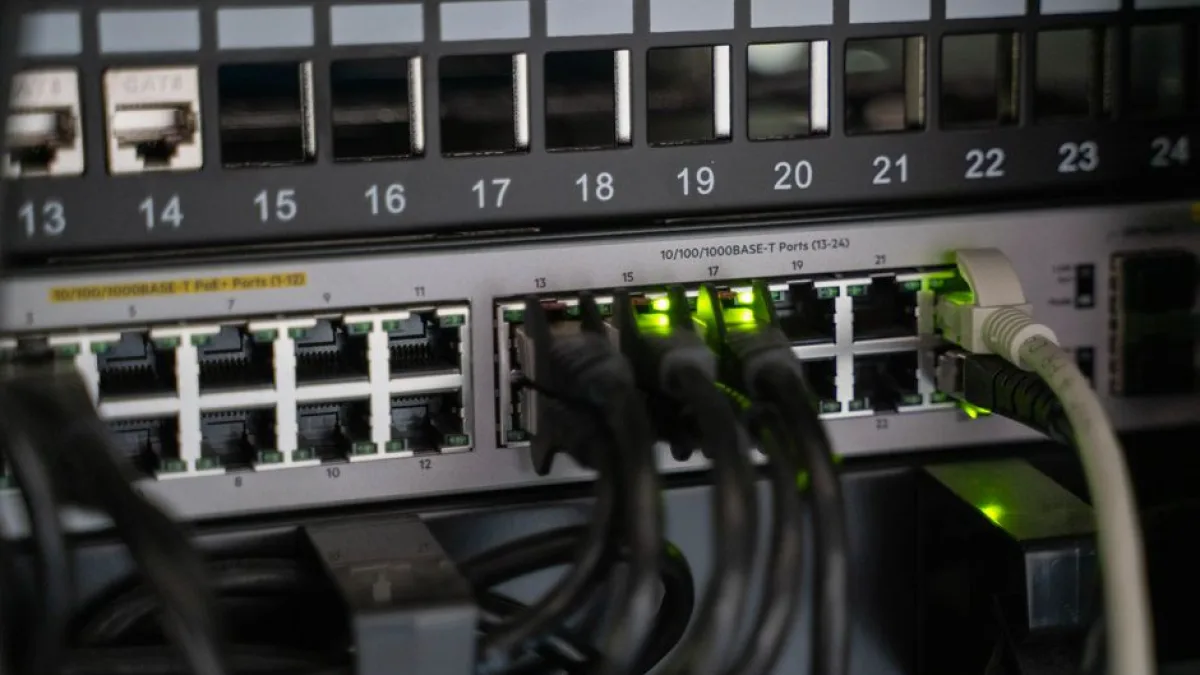
Effective shipping and tracking are vital components of any successful freight forwarding firm. By adopting cloud technology, you simplify complex processes, increase operational speed, and strengthen your relationship with every client. Review your current software stack and prioritize features that offer real-time visibility. Start your journey toward improved logistics efficiency by choosing MakeCargo to transform how you track shipments and communicate with stakeholders.