Mastering Real-Time Shipping and Tracking for Freight Forwarders
Saturday, September 19 2026

In the modern logistics landscape, freight forwarders face increasing pressure to provide absolute transparency. Clients no longer accept vague arrival estimates; they demand granular visibility into every stage of the supply chain. Shifting from reactive communication to proactive tracking is essential for maintaining a competitive edge in a crowded marketplace. By leveraging advanced digital infrastructure, forwarders can transform raw data into actionable insights, effectively managing exceptions before they escalate into costly delays. This article explores how adopting smarter tracking technologies empowers professionals to streamline operations, enhance client trust, and ensure the seamless movement of global cargo across complex international routes.
The Evolution of Visibility
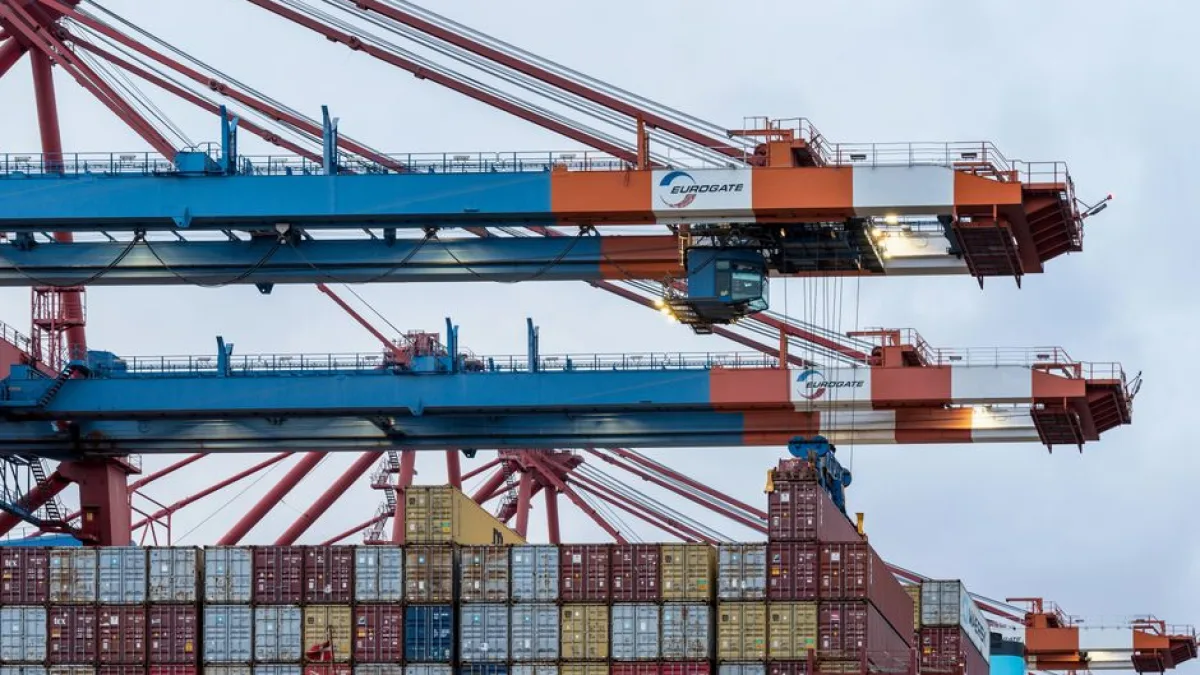
Digital transformation has redefined how we monitor assets across global trade routes. Modern platforms replace manual status updates with automated data streams that provide precise location data, ensuring that every shipment is monitored with accuracy throughout its entire journey.
- Automated status updates: Real-time integration with shipping lines eliminates the need for manual data entry and reduces the human error that often leads to incorrect cargo status reporting.
- Predictive delay notifications: Advanced algorithms analyze weather and port congestion patterns to alert your operations team about potential delays before they impact your client's critical delivery timelines.
- Centralized data access: Having a single source of truth allows your entire team to access consistent shipment information, preventing miscommunications during complex multi-modal freight forwarding coordination tasks.
- Improved customer engagement: Providing branded tracking portals allows your clients to self-serve information, which significantly reduces the volume of repetitive status inquiry emails sent to your office.
Adopting these visibility tools does more than just save time for your staff. It fundamentally shifts the nature of your client relationship from a service provider to a trusted strategic partner. When clients see you are utilizing modern software to monitor their goods, their confidence in your operations grows. This trust is the foundation for long-term retention and consistent referral-based growth for your business.
Optimizing Operations with Automation

Efficiency gains are realized when software handles routine tasks, allowing your team to focus on high-value problem solving. Automated tracking workflows ensure that milestones are recorded immediately upon completion, keeping every stakeholder informed without requiring constant manual intervention or follow-ups.
- Smart exception management: Automated alerts trigger whenever a shipment deviates from the planned schedule, allowing your team to proactively communicate with clients and suggest alternative logistics solutions.
- Simplified documentation retrieval: Integration between tracking data and your document management system ensures that every bill of lading is linked directly to the specific shipping event.
- Seamless carrier integration: By connecting directly via API to ocean and air carriers, your software platform receives instantaneous status updates without relying on outdated email notifications.
- Scalable operational capacity: Automation enables your existing staff to manage a significantly higher volume of shipments while maintaining the same level of personalized service for clients.
Automation serves as the backbone of a scalable freight forwarding enterprise. By removing the burden of repetitive data entry, your specialists can spend their day solving complex logistical puzzles rather than searching for container status. This increased capacity allows you to grow your business volume without needing a proportional increase in headcount, which directly improves your overall profit margins and operational efficiency.
Empowering Your Logistics Clients

Transparency is the most requested feature in modern logistics, as clients prioritize platforms that grant them autonomy. When you offer self-service tracking capabilities, you give your customers the power to monitor their supply chain health independently and with total confidence.
- Branded tracking portals: Customizing the tracking interface with your company logo and colors strengthens your brand identity and keeps your agency top of mind for clients.
- Real-time inventory alerts: Enabling push notifications for specific cargo events ensures that warehouse teams are prepared to receive goods immediately upon their arrival at destination.
- Historical shipment analytics: Access to past performance metrics helps your clients identify trends in transit times, supporting better decision-making for their future cargo planning requirements.
- Reduced support overhead: Offering a user-friendly digital dashboard significantly lowers the administrative burden on your customer service team by providing instant answers to routine shipping questions.
Giving your clients control over their shipment data is a strategic move that builds deep loyalty. When you provide the right tools, you become an extension of their own logistics department. This collaborative dynamic is essential in a competitive industry where speed and information quality differentiate the best forwarders. Ultimately, satisfied clients become your strongest advocates in an increasingly crowded global market.
Future-Proofing Your Supply Chain

As the industry moves toward complete digitization, staying ahead of technology trends is no longer optional. Investing in flexible cloud-based software today ensures that your logistics operations remain resilient, adaptable, and ready to handle the evolving demands of global trade.
- API-first software design: Choosing platforms that prioritize easy integration allows you to connect with new shipping partners and customs authorities with minimal technical implementation effort.
- Scalable cloud architecture: Cloud solutions grow alongside your company, providing the computational power and storage needed as your number of monthly shipments continues to rise.
- Enhanced data security: Protecting client shipment data with enterprise-grade encryption is vital for maintaining compliance and trust in an era of increasing cyber threats for businesses.
- Adaptive reporting features: Custom reports allow you to extract actionable intelligence from your tracking data, driving continuous improvement across your entire logistics management process flow.
Preparing for the future means building a technological ecosystem that can pivot alongside changing market conditions. Whether you are dealing with port strikes or sudden shifts in global trade routes, having a robust tracking system allows you to react quickly and intelligently. Those who embrace these technological advancements will define the next generation of logistics excellence and maintain a significant competitive advantage worldwide.
Conclusion

Prioritizing advanced shipping and tracking is essential for modern freight forwarders who want to excel in a high-demand market. By leveraging automation and real-time data, you provide superior service that keeps your clients informed and your operations running smoothly. Start evaluating your current digital workflows today to identify opportunities for growth. With the right technology partner, you can turn logistics visibility into your strongest competitive advantage.