Mastering Real-Time Shipping and Tracking for Freight Success
Saturday, October 3 2026
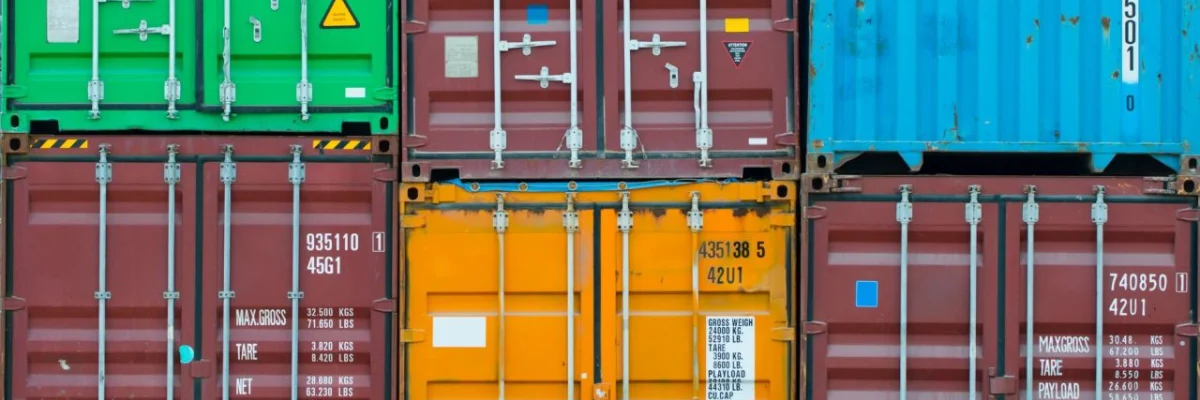
In the fast-paced world of international logistics, the ability to monitor cargo movement with precision is the defining factor of operational success. Freight forwarders today face immense pressure to provide transparency, accuracy, and agility in an increasingly volatile global supply chain. By integrating advanced tracking technologies, logistics professionals can move beyond manual updates to deliver live insights that build client trust. This transformation is not merely about technical capability but about securing a competitive advantage in a market where every second counts. Embracing modern digital tools is the ultimate strategy for forwarders who want to streamline workflows and scale effectively.
The Power of Visibility
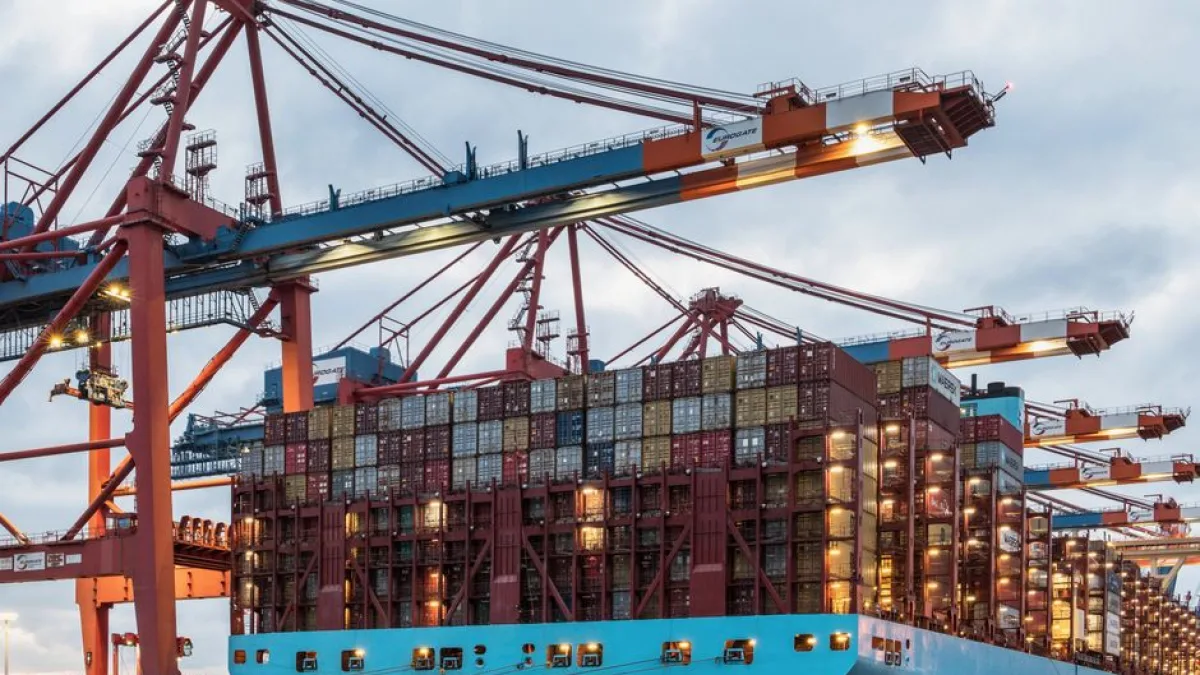
Digital visibility transforms how forwarders interact with the complex web of global trade. By capturing data directly from carriers and port authorities, teams can visualize the entire journey of a shipment without needing to place hundreds of manual calls.
- Real-time location data: Access precise GPS coordinates for containers throughout their journey to prevent information gaps and ensure that all stakeholders remain fully updated on current shipment status.
- Proactive delay management: Utilize live status alerts to identify potential bottlenecks early so that your team can implement alternative routes and maintain strict adherence to delivery schedules.
- Automated status updates: Reduce the burden on your customer service representatives by providing clients with automated email or portal notifications regarding their cargo progress throughout the journey.
- Enhanced operational agility: Leverage high-quality data to make rapid decisions when unexpected disruptions occur, ensuring that your company maintains high service levels regardless of external market pressures.
- Client trust building: Deliver consistent and reliable tracking information to demonstrate your professional commitment to transparency, which significantly increases long-term loyalty and reduces client churn across your operations.
Adopting these visibility tools empowers teams to shift from a reactive stance to a proactive strategy. When you minimize the time spent hunting for updates, you regain precious hours to focus on high-value tasks. This level of insight serves as the backbone of modern freight forwarding, turning every tracking milestone into an opportunity to prove your reliability and expertise to your valuable customers.
Integrating Data Streams

Data integration acts as the bridge between disconnected systems and a unified logistics workflow. By centralizing information, forwarders can ensure that all internal departments operate from a single source of truth for every managed shipment.
- Centralized software platforms: Consolidate data from multiple carrier APIs and port systems into one intuitive dashboard to prevent data silos and maximize team productivity across all global departments.
- Standardized data reporting: Ensure that all incoming information follows a uniform format, allowing for seamless integration with internal billing and accounting systems to improve overall financial accuracy.
- Enhanced shipment accuracy: Eliminate the risks associated with manual data entry by automating the capture of logistics milestones, which significantly reduces the probability of human-related clerical errors.
- Scalable system architecture: Utilize cloud-based software solutions that grow alongside your business, ensuring that your tracking capabilities remain robust even as your total container volume increases steadily.
- Custom client reporting: Generate professional and detailed tracking reports that help your customers analyze their supply chain performance, ultimately solidifying your position as a strategic logistics partner.
Integration removes the friction typically associated with multi-modal transport management. When your software communicates fluidly with carrier databases, the accuracy of your tracking improves dramatically. This systemic reliability allows your team to handle larger volumes without sacrificing quality, providing a scalable framework that supports long-term expansion while keeping your operational costs low and your service quality consistently high for every client.
Streamlining the Communication

Effective communication strategies rely on the strength of your tracking data. By automating the flow of information, forwarders ensure that every stakeholder, from warehouse managers to end customers, receives the exact updates they need for their specific operations.
- Automated email notifications: Configure custom triggers that automatically send milestone updates to stakeholders, ensuring that relevant parties are informed immediately whenever a cargo container reaches a checkpoint.
- Self-service customer portals: Empower your clients to access their own shipment tracking details 24/7, reducing the need for constant phone inquiries and freeing up your staff time.
- Internal team alignment: Facilitate better collaboration by ensuring that everyone in your office can view the same live shipment status, preventing confusion and double-handling of customer requests.
- Contextual status alerts: Provide additional context with each update, such as explaining the cause of a specific delay, which helps manage customer expectations and prevents unnecessary service escalation.
- Multi-channel information delivery: Push tracking updates through various platforms, including web portals or mobile apps, ensuring that your clients receive critical information via their preferred method of communication.
Streamlined communication is the hallmark of a modern freight forwarding firm. When tracking information is clear and accessible, the number of support requests drops, allowing your staff to focus on solving complex logistical problems. By removing ambiguity, you create a professional experience for your customers. This clarity not only improves your operational efficiency but also distinguishes your brand from more traditional competitors.
Optimizing Supply Chains
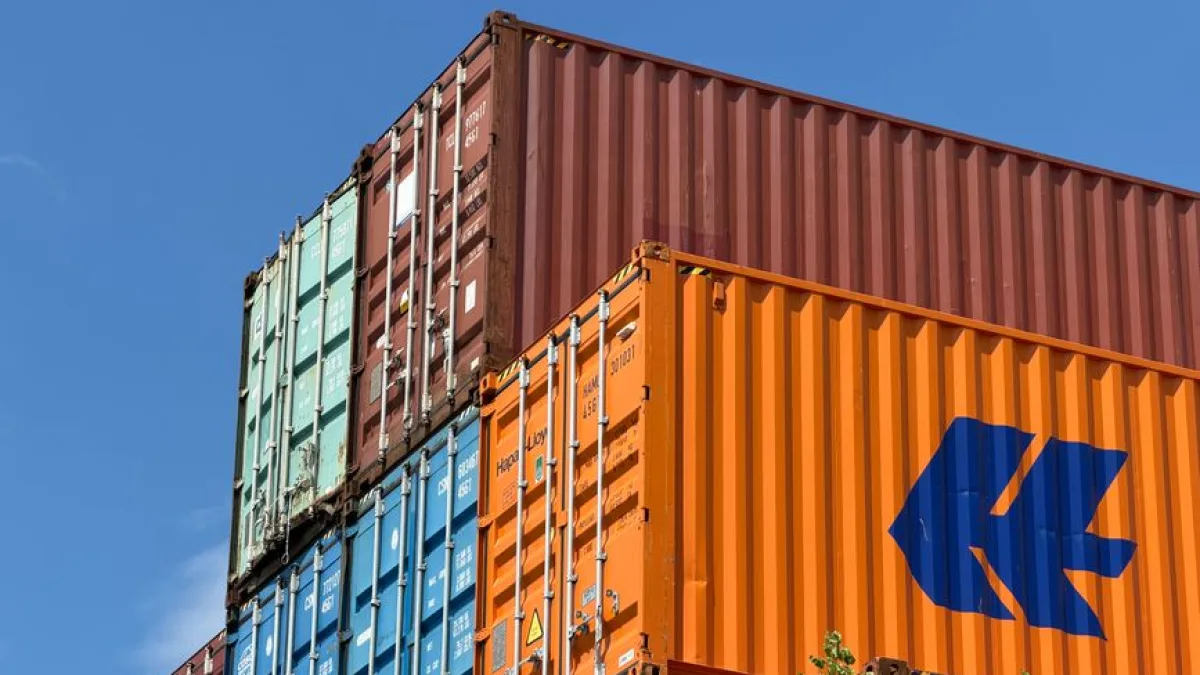
Supply chain optimization is the ultimate objective of advanced tracking. By analyzing historical data and current trends, forwarders provide deep value by helping clients refine their logistics strategies for maximum cost-effectiveness and improved overall speed.
- Historical trend analysis: Review past shipment data to identify common delays or recurring issues, enabling you to suggest improvements that enhance future shipment reliability for your various clients.
- Performance benchmarking tools: Measure carrier performance against predefined service level agreements to ensure that you are consistently selecting the best partners for specific routes and cargo types.
- Inventory flow planning: Use shipment tracking data to better predict arrival times, which helps your clients manage their warehouse stock more efficiently and reduce costly inventory holding expenses.
- Risk management strategies: Identify patterns in global trade disruptions early, allowing your clients to diversify their shipping methods and maintain product availability during challenging and unpredictable global conditions.
- Strategic route selection: Use data-driven insights to recommend the most cost-efficient and timely transport routes, adding significant consulting value to your basic freight forwarding service offerings today.
True optimization happens when data is converted into actionable intelligence. By providing clients with a strategic view of their shipping performance, you become an essential partner rather than just a service provider. These insights allow your customers to improve their bottom lines while you strengthen your professional relationship. Consistent analysis ensures that your logistics strategies evolve alongside the changing demands of global trade.
Conclusion

Harnessing the power of modern tracking tools is essential for staying competitive in today's logistics environment. By prioritizing visibility, integration, communication, and optimization, freight forwarders can provide superior value to their clients. Embracing digital platforms like MakeCargo simplifies these complex processes and elevates your operational standards. Start transforming your shipping workflows today to build a more efficient and resilient future for your business.