Mastering Real-Time Shipping and Tracking for Freight Forwarders
Friday, October 9 2026
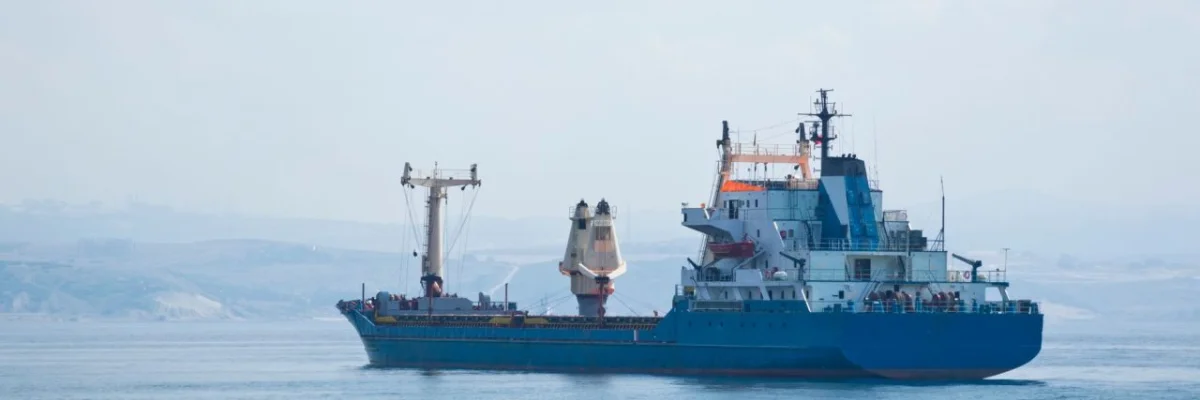
Modern supply chains demand unprecedented levels of visibility and precision from every freight forwarder operating today. As global trade complexities grow, the ability to provide real-time shipping and tracking updates has transitioned from a value-added service to an essential operational requirement. Clients expect instant answers regarding cargo status, container movements, and potential delays. By integrating advanced digital solutions into your logistics workflow, your team can move beyond reactive updates and provide proactive management that strengthens long-term partnerships. Embracing these technological shifts ensures your business remains competitive, transparent, and highly efficient in an era where data availability dictates success for logistics service providers.
Centralizing Data Streams
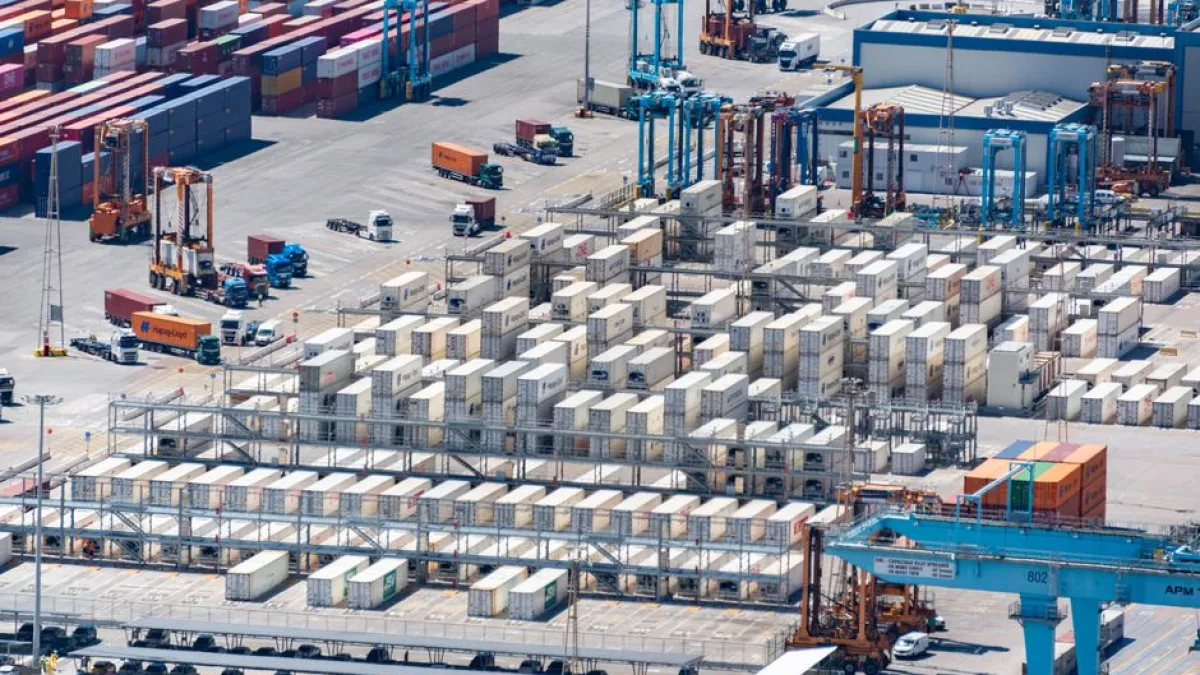
Centralizing your logistics data provides a single source of truth for your entire team. By integrating multiple carrier feeds into one dashboard, you eliminate the fragmentation that typically leads to communication gaps, errors in documentation, or delayed customer notifications.
- Unified data visibility: Aggregating information from various carriers into one platform allows your team to monitor global movements without switching between disparate systems or manual spreadsheets to find critical updates.
- Reduced manual work: Automated data entry reduces the time spent on repetitive tasks while ensuring that your tracking records remain accurate and updated without requiring constant human intervention or verification.
- Improved team collaboration: When everyone accesses the same live data, your departments communicate more effectively, ensuring that customer service teams have the right information ready during client inquiries about shipments.
- Faster resolution times: Having immediate access to comprehensive tracking data allows your staff to address potential shipping exceptions before they escalate into costly problems for your valued shipping clients.
Consolidating your information workflows transforms how your office functions by removing data silos. When your staff operates from a unified system, they gain the confidence to provide accurate timelines to customers. This efficiency reduces overhead costs and boosts productivity by allowing team members to focus on complex logistics challenges rather than searching for basic shipment data in disconnected email chains or carrier portals.
Automating Status Updates

Automating your status alerts ensures that clients receive critical shipment information exactly when it happens. Proactive notifications reduce the volume of inbound inquiries, allowing your team to focus on high-priority logistics tasks rather than manual status requests.
- Real-time client alerts: Sending automated notifications whenever a cargo milestone occurs keeps your customers satisfied and informed throughout the entire lifecycle of their shipments without requiring manual email updates.
- Proactive exception management: Automated systems detect delays instantly, allowing your team to inform clients and offer alternative solutions before the shipment hits a major bottleneck in the process.
- Increased transparency levels: Constant updates build a reputation for reliability, proving that your agency prioritizes communication and uses modern technology to maintain high service standards for your clients.
- Reduced communication overhead: Reducing the manual effort required to report on cargo status allows your employees to dedicate more time to growing business rather than performing routine reporting tasks.
Adopting an automated notification strategy significantly elevates the professional image of your freight forwarding agency. Customers appreciate the consistent flow of information, which fosters a deep sense of trust. By leveraging automated technology to handle the bulk of routine tracking reports, your staff remains free to manage complex logistics issues, ultimately driving higher client retention rates and sustainable business growth for your firm.
Enhancing Supply Chain Visibility

Comprehensive supply chain visibility provides the intelligence required to navigate modern market volatility. By monitoring shipments throughout the entire journey, your logistics team gains the capability to anticipate risks and optimize routes for better cost and time management.
- End-to-end tracking: Monitoring cargo from the initial pickup to the final delivery destination ensures that nothing goes unnoticed, regardless of how many transshipment points the freight passes through.
- Predictive risk mitigation: Analyzing historical tracking data helps your team identify common transit patterns and predict potential bottlenecks before they happen, ensuring your cargo flows without unnecessary interruption.
- Optimized carrier selection: Using performance data derived from tracking logs helps you identify which carriers perform best on specific trade lanes, enabling smarter future logistics planning decisions.
- Data driven insights: Translating tracking data into actionable reports allows you to provide value-added consulting services to your customers, helping them refine their own inventory and supply chain strategies.
Improving visibility across your global operations creates a distinct advantage in a crowded marketplace. When you provide more than just transport, you become a strategic partner to your clients. This deep level of insight allows you to manage shipments with a surgical precision that reduces transit times, cuts waste, and optimizes the performance of your entire logistics network during every single shipment cycle.
Leveraging Advanced Analytics

Utilizing advanced analytics allows your team to convert raw tracking data into meaningful business intelligence. This analytical approach empowers you to improve service delivery and increase profit margins by identifying hidden inefficiencies within your current standard freight forwarding workflows.
- Performance metric analysis: Tracking transit times against expected service levels identifies areas for improvement, enabling you to hold carriers accountable and ensure consistent delivery quality for all clients.
- Operational cost reduction: Identifying common causes of delay or storage fees helps you implement new processes that reduce extra costs and preserve your bottom line throughout the year.
- Strategic decision support: Basing your business decisions on concrete data rather than assumptions ensures your growth strategy is sound and capable of handling future shifts in logistics demand.
- Customer behavior tracking: Understanding how different customers interact with their tracking portals allows you to refine your interface to improve the overall user experience and client satisfaction levels.
Applying data analytics to your daily logistics operations shifts your focus from firefighting to strategy. By deeply understanding how your shipments perform, you create a foundation for long-term operational excellence. This proactive use of technology ensures your company remains ahead of the competition, delivering consistent value and demonstrating a clear commitment to leveraging data for better, smarter, and more reliable global logistics.
Conclusion

Mastering shipping and tracking is essential for modern freight forwarders aiming to scale operations. By centralizing data, automating updates, increasing visibility, and using analytics, your company can transform its service delivery model. These digital upgrades not only satisfy customer demands for transparency but also optimize your internal processes for maximum efficiency. Start integrating these advanced tracking strategies today to secure your competitive advantage.