Mastering Real-Time Shipping and Tracking for Freight Success
Sunday, October 11 2026
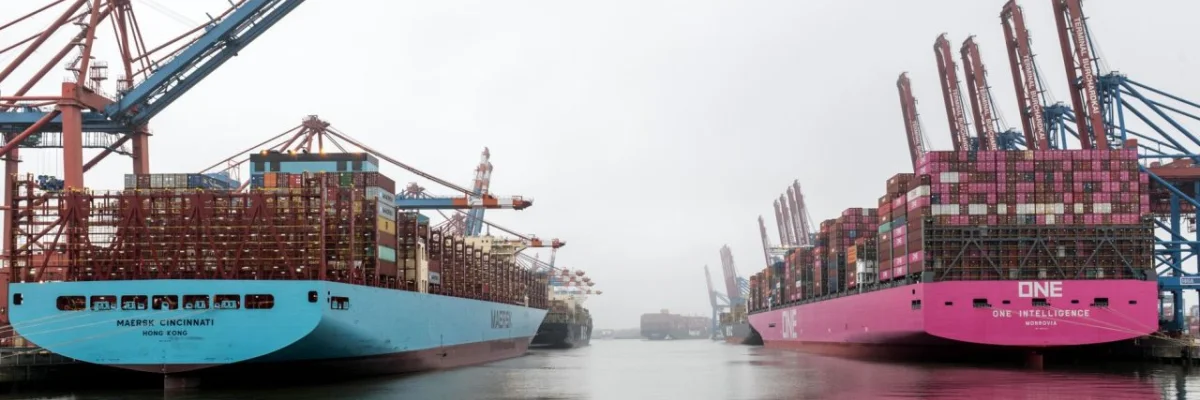
The modern logistics landscape demands unparalleled transparency as shippers and consignees expect instant visibility into every stage of the supply chain. Freight forwarders often struggle with fragmented communication channels and manual data entry tasks that hinder operational efficiency. By leveraging cloud-based platforms like MakeCargo, logistics professionals can centralize their tracking data to provide real-time updates that build long-term client trust. Transitioning from reactive status updates to proactive shipment monitoring allows teams to identify potential bottlenecks before they escalate into costly delays, ultimately securing a competitive advantage in a fast-paced global market that values speed, accuracy, and clear communication.
Optimizing Shipment Visibility
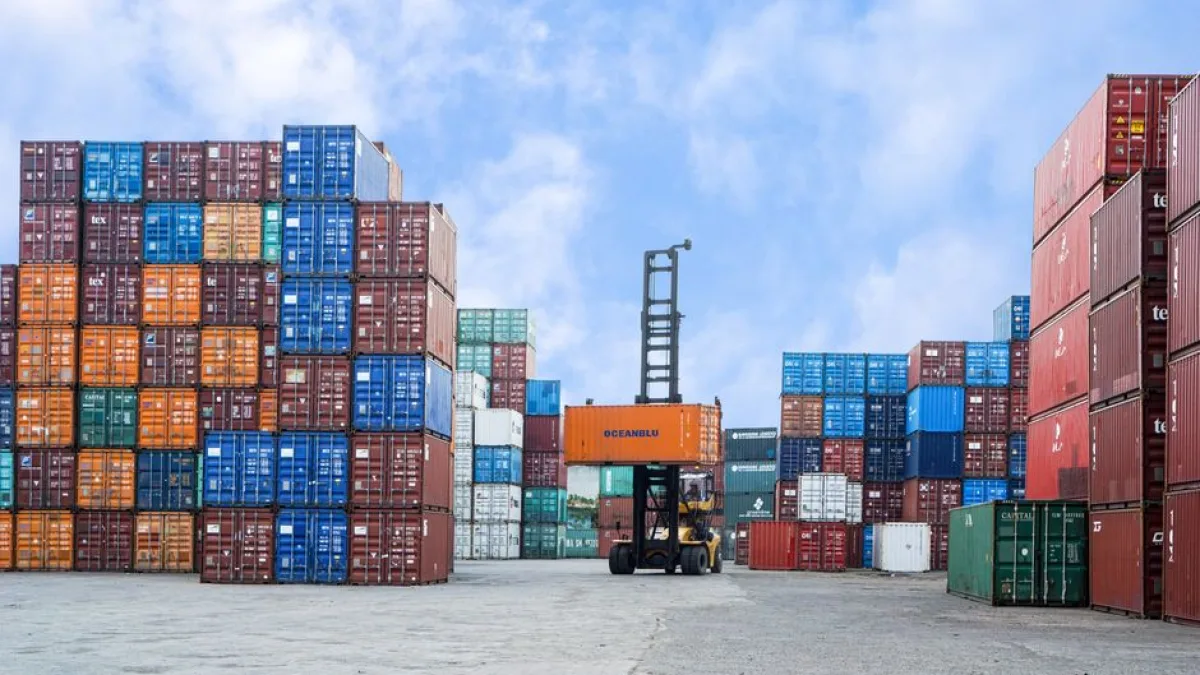
High-resolution visibility starts with the right digital infrastructure to capture movement data across multiple transit modes. When forwarders integrate live status tracking, they eliminate the need for constant phone calls and emails from anxious clients monitoring their precious, high-value cargo assets.
- Automated status updates: Cloud systems automatically push notifications to your dashboard when a shipment reaches a milestone, ensuring that both your team and your customers stay perfectly informed about transit.
- Centralized data access: Consolidating all shipping documents and tracking links into one interface prevents information silos, allowing your staff to retrieve critical details in just a few seconds.
- Enhanced client portals: Provide your customers with a secure login to view their own shipment history, which reduces the manual workload on your customer service department every day.
- Real-time vessel tracking: Integration with satellite data feeds provides precise coordinates for ocean freight, enabling you to predict arrival times with much higher accuracy than manual methods.
Adopting these visibility tools empowers your logistics company to manage expectations effectively while minimizing administrative overhead costs. By shifting your focus toward data-driven insights, you demonstrate professionalism that distinguishes your services from traditional competitors who rely on fragmented workflows. This structural change ensures that your operations remain scalable as you attract more volume and handle increasingly complex international routing requirements for your diverse client base.
Managing Exception Handling

Exceptions occur frequently in global trade, but how your team responds determines the overall quality of service. Proactive alert systems allow freight forwarders to intervene quickly when weather or port congestion delays a shipment, protecting the bottom line for your clients.
- Instant alert notifications: When a departure or arrival is delayed, your system triggers an immediate alert, allowing your dispatchers to contact the client before they notice the issue.
- Collaborative problem solving: Digital platforms enable internal teams to share notes on specific shipments, ensuring that everyone remains on the same page during time-sensitive recovery procedures today.
- Carrier performance metrics: Tracking frequency of exceptions per carrier helps you identify reliable partners, making it easier to select the best vendors for future high-priority shipping tasks.
- Automated client communication: Draft predefined templates that explain potential delays, which ensures your messaging remains consistent, professional, and reassuring during unexpected supply chain disruptions or sudden events.
The ability to resolve shipping disruptions efficiently transforms a potential crisis into a testament to your reliability as a freight partner. Clients remember how you handled difficult situations more than how you managed easy ones, making effective exception management a vital component of your brand reputation. Investing in tools that streamline this process is essential for maintaining growth and consistent operational excellence.
Integrating Partner Communication

Communication breakdowns between carriers, agents, and forwarders cause significant delays that impact global trade flow. Digital platforms bridge these gaps by providing a unified environment where all stakeholders can exchange documents and updates without relying on scattered email threads.
- Shared digital workspaces: Every stakeholder accesses the same record of truth, which eliminates discrepancies in documentation and ensures that compliance standards are met across every international border.
- Unified messaging tools: Integrate chat functions directly within your shipment records, so all context remains attached to the relevant file for future auditing and review purposes.
- Streamlined document sharing: Instantly share bills of lading or commercial invoices with your international partners, ensuring that cargo clears customs without unnecessary paperwork delays or administrative errors.
- Synchronized agent workflows: Ensure your overseas agents follow your standard operating procedures by using a shared platform that enforces data entry requirements for every single shipment.
By streamlining partner interactions, you reduce the risk of human error that typically arises from fragmented communication or mismatched data sets. This unified approach not only accelerates the shipping process but also strengthens your professional network. Developing a culture of transparency with your partners will improve your operational speed and allow you to handle more shipments with the same existing staff capacity.
Leveraging Advanced Data Analytics
Turning raw logistics data into actionable insights is the next frontier for professional freight forwarders. Analytics allow you to observe trends in your transit times and costs, enabling smarter strategic decisions that optimize your profitability and improve overall service delivery for customers.
- Route performance analysis: Identify which lanes frequently experience delays, giving you the necessary evidence to propose better shipping alternatives or different carriers for your high-value account clients.
- Cost trend tracking: Monitoring your spending over time helps you renegotiate better rates with carriers, significantly increasing your margins while providing competitive quotes for all prospective business.
- Volume forecasting tools: Predict future shipment patterns based on historical data, which assists in managing your warehouse capacity and team resources during peak seasonal demand periods effectively.
- Custom report generation: Build bespoke reports for your clients to demonstrate the value of your services through hard data, cementing your role as a vital logistics partner.
Data-driven strategy is no longer optional for freight forwarders who want to dominate their niche markets. When you can prove your efficiency through detailed metrics and performance reporting, you build unbreakable confidence with your customer base. This sophisticated approach ensures that every business decision is backed by solid evidence, leading to sustained growth, improved financial stability, and a stronger reputation within the industry.
Conclusion
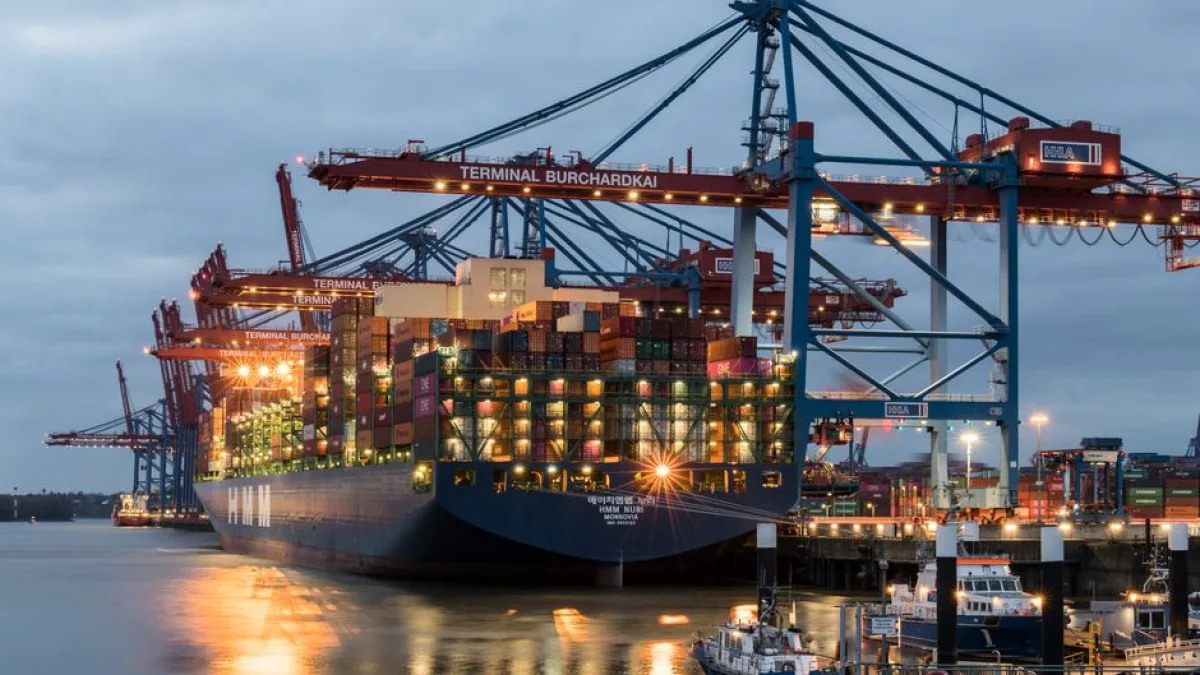
Mastering shipping and tracking requires a commitment to digital integration and continuous process improvement. By utilizing MakeCargo, forwarders gain the tools needed to manage visibility, handle exceptions, collaborate with partners, and leverage data. Implementing these strategies will elevate your service levels and streamline your daily operations. Start your digital transformation today to ensure your freight forwarding business remains agile, competitive, and ready for future growth.