Mastering Real-Time Tracking in Modern Freight Forwarding
Tuesday, September 1 2026
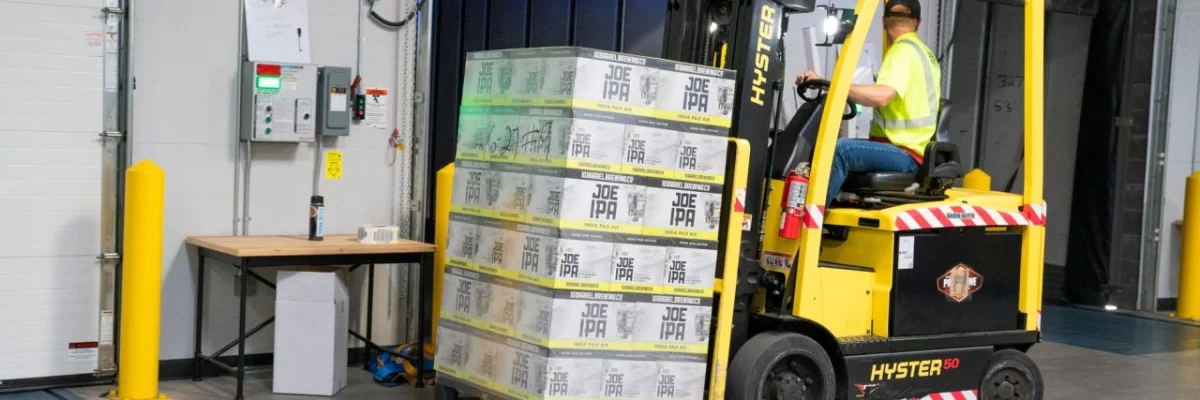
The global logistics landscape is undergoing a massive transformation driven by the demand for unprecedented visibility and precision. Freight forwarders today act as digital orchestrators, tasked with providing clients accurate data across complex, multi-modal supply chains. While traditional tracking methods often rely on fragmented communication and manual updates, modern platforms offer automated, real-time insights that redefine transparency. By leveraging sophisticated cloud-based technology, forwarding firms can mitigate operational bottlenecks and enhance client satisfaction. This evolution is no longer just a competitive advantage but a fundamental necessity for businesses striving to survive in an increasingly volatile global shipping environment.
The Digital Visibility Mandate
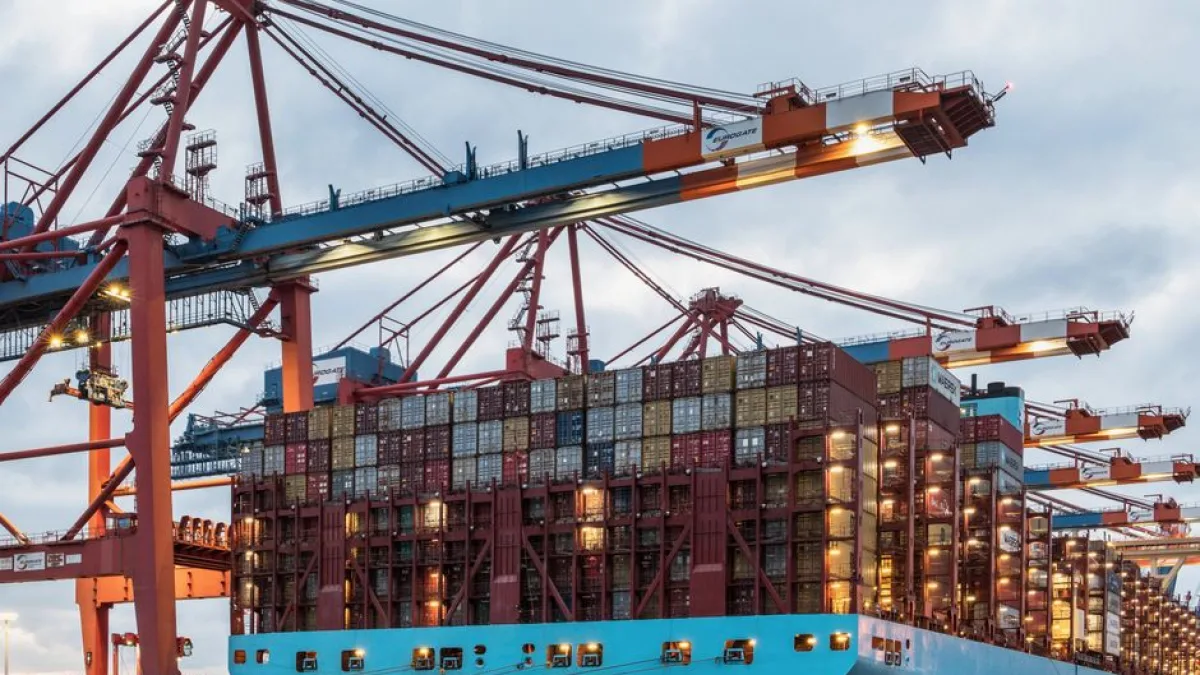
Modern digital visibility enables freight forwarders to monitor cargo journeys with exceptional accuracy and precision. By integrating live data feeds directly into their operational systems, logistics professionals can pinpoint exact locations and anticipate potential disruptions before they impact their global clients.
- Automated Status Updates: Eliminate manual reporting tasks by configuring your software to send instant notifications whenever a shipment reaches a milestone, ensuring stakeholders always stay informed without human effort.
- Improved Data Accuracy: Reduce costly errors inherent in manual data entry by synchronizing your tracking systems directly with carrier API feeds to maintain a single source of truth.
- Proactive Exception Management: Identify potential delays through automated alerts, allowing your team to initiate corrective actions immediately rather than reacting to complaints after a shipment has already stalled.
- Client Portal Integration: Provide your customers with a secure, branded dashboard where they can track their freight in real-time, significantly reducing the volume of status-related email inquiries.
- Historical Performance Insights: Analyze accumulated tracking data to identify recurring patterns or bottlenecks, which empowers your team to optimize future shipping routes for better efficiency and reliability.
Adopting a proactive digital strategy allows your firm to transition from reactive troubleshooting to strategic supply chain management. When tracking becomes a seamless automated process, your team gains the freedom to focus on high-value tasks like client relationships and network expansion. Ultimately, the ability to deliver transparent and reliable tracking data builds long-term trust that encourages repeat business and strengthens your reputation globally.
Leveraging Cloud Integration Tools

Cloud infrastructure serves as the backbone for modern logistics by facilitating seamless connectivity between various shipping stakeholders. Integrating your freight platform with carrier networks allows for consistent information flow, ensuring that every shipment detail is accessible whenever it is required.
- Seamless API Connectivity: Connect your internal software directly to major shipping lines and local carriers, enabling the smooth flow of critical tracking information across your operational ecosystem.
- Centralized Shipment Records: Store every piece of tracking documentation in a secure cloud repository, making it easy for your staff to retrieve essential information instantly from anywhere.
- Multi-System Synchronization: Ensure that your accounting, operations, and tracking departments all view the exact same shipment status, preventing miscommunication and operational silos within your growing organization.
- Scalable Data Storage: Manage increasing volumes of tracking information as your business expands, thanks to the inherent flexibility and storage capacity provided by modern cloud-based software solutions.
- Secure Data Access: Protect sensitive client information while allowing authorized team members to securely access real-time tracking data from any mobile device or office desktop environment.
Investing in robust cloud integration is essential for modernizing your freight forwarding operations and maintaining high standards. By centralizing your data and automating information flow, you minimize risks and eliminate redundant workflows that hinder productivity. A unified platform not only streamlines day-to-day operations but also provides the necessary foundation for future growth and technological adaptation in an increasingly digital and connected global economy.
Optimizing Client Experience

Client satisfaction relies heavily on the transparency and reliability of the tracking information you provide. Delivering consistent, high-quality updates turns standard logistics services into a premium offering, helping your firm stand out in a crowded market and retain important accounts.
- Transparent Milestone Tracking: Keep your clients updated with clear, unambiguous status alerts at every stage of the shipment journey, from final pickup to the ultimate point of delivery.
- Customized Reporting Tools: Generate professional reports that offer clients granular visibility into their logistics performance, allowing them to make data-driven decisions regarding their own inventory and supply chain.
- Responsive Mobile Alerts: Meet your clients where they are by providing automated tracking notifications directly to their mobile devices, ensuring they never miss a critical shipment update.
- Proactive Communication Strategy: Use real-time tracking data to initiate conversations about potential delays early, positioning your firm as a helpful partner rather than just a service vendor.
- Enhanced Trust Building: Demonstrate your commitment to transparency by offering an open tracking interface that reflects your reliability and keeps your customers confident in your logistics capabilities.
Prioritizing the client experience through advanced tracking tools creates a durable competitive edge that goes beyond simple price competition. By offering visibility and proactive communication, you turn occasional shippers into loyal partners who rely on your expertise. When your clients feel confident in your ability to manage their supply chain, they are more likely to increase their shipping volumes and recommend your services.
Future Trends in Logistics

Technological advancement continues to shape the future of logistics through innovations like predictive analytics and artificial intelligence. Forward-thinking freight forwarders are already implementing these sophisticated tools to gain a deeper understanding of shipping trends and improve their overall efficiency for their worldwide clients.
- Predictive Arrival Estimates: Utilize advanced machine learning algorithms to forecast precise delivery times, factoring in weather patterns, port congestion, and historical performance data for enhanced shipment accuracy.
- AI-Driven Risk Analysis: Apply intelligent software to identify potential regional or seasonal risks, allowing you to suggest alternative routes that avoid common delays before they occur.
- Smart Sensor Integration: Leverage internet-enabled sensors to monitor cargo conditions, such as temperature and humidity, ensuring that fragile or sensitive shipments arrive in their optimal intended condition.
- Automated Document Management: Reduce administrative burdens by using intelligent software to auto-populate shipping documents based on real-time tracking data, which speeds up processing and minimizes human error.
- Digital Ecosystem Growth: Participate in broader industry networks that share data securely, leading to a more collaborative and efficient global logistics environment for all participating forwarding firms.
Embracing these emerging technologies allows your business to stay ahead of industry disruptions and meet the evolving needs of the global market. As logistics continues to evolve toward total digital integration, those who adopt predictive tools today will lead the industry tomorrow. Investing in innovation is the only way to ensure your freight forwarding company remains relevant, efficient, and profitable for years ahead.
Conclusion
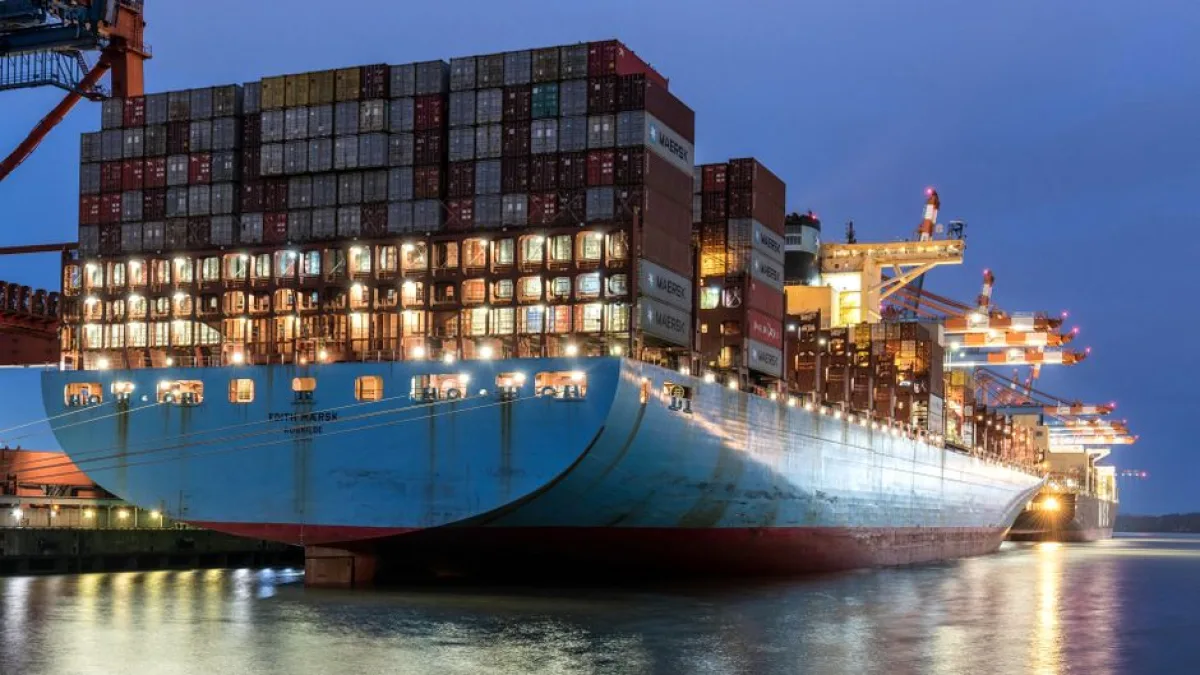
Mastering real-time tracking is the ultimate goal for any modern freight forwarder striving for excellence. By integrating digital platforms and prioritizing transparency, you provide value that extends far beyond simple transportation. Implement these strategies today to streamline your operations, delight your clients, and secure your place in the future of global logistics. Start optimizing your tracking processes now for a more efficient business tomorrow.