Mastering Real-Time Tracking in Freight Forwarding
Thursday, September 17 2026
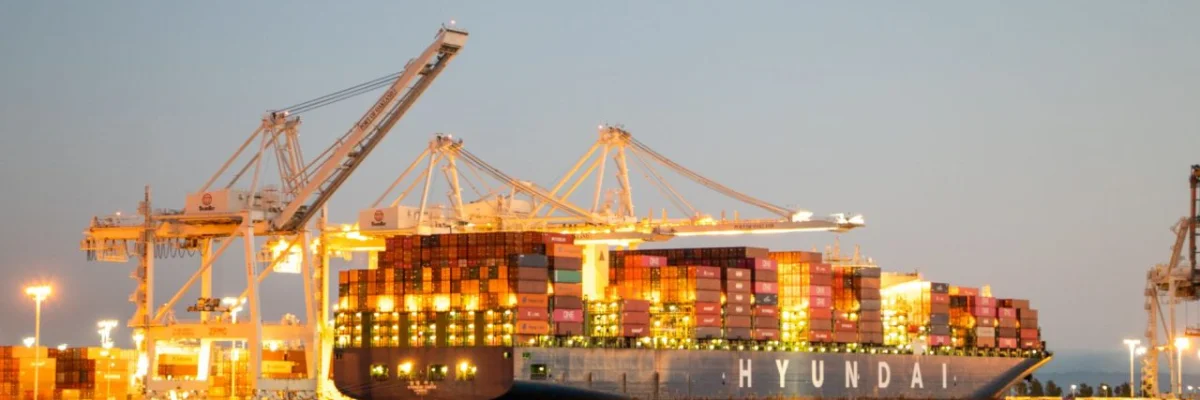
In the modern logistics landscape, the ability to provide clients with precise and real-time shipping data is no longer a luxury but a fundamental necessity for business survival. Freight forwarders are increasingly tasked with managing complex global supply chains while meeting heightened customer expectations for immediate visibility. Adopting robust cloud-based software allows companies to integrate automated tracking feeds directly into their workflows, effectively reducing manual data entry errors. By leveraging advanced technology, logistics professionals can proactively address potential delays and maintain transparent communication with stakeholders, ensuring that cargo moves seamlessly through every checkpoint from origin to final destination.
The Evolution of Visibility
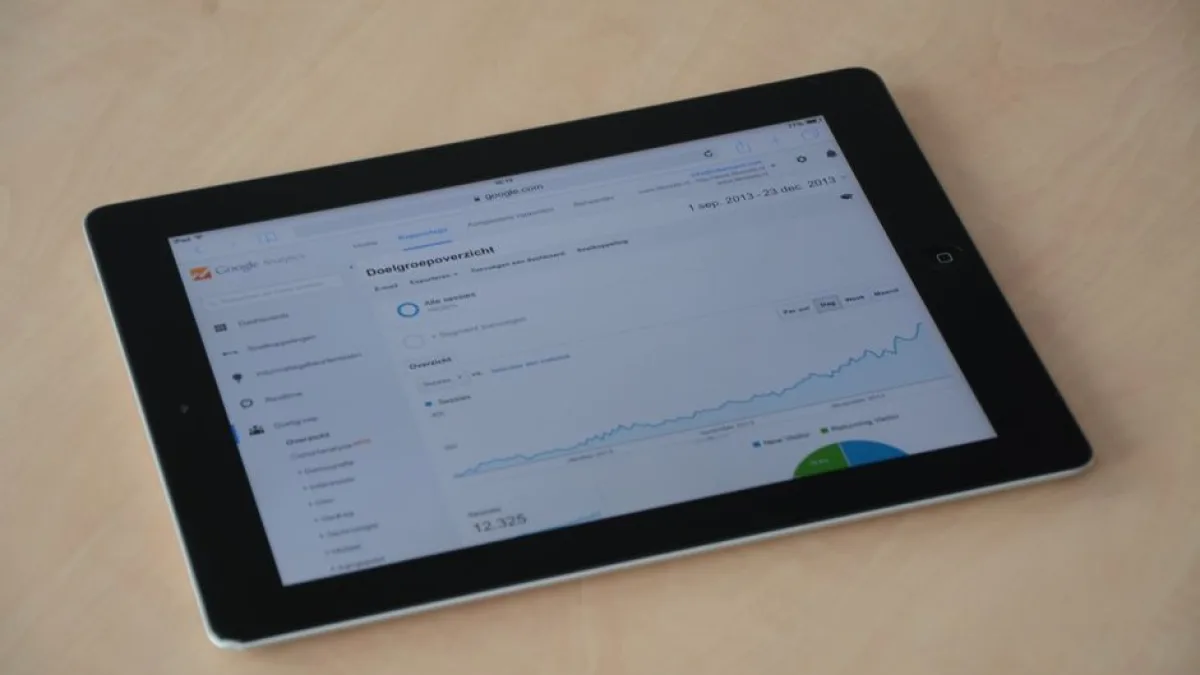
Digital dashboards now provide an eagle-eye view of every shipment in transit, replacing scattered spreadsheets with unified data streams. This technological shift enables forwarders to monitor cargo movement across oceans, roads, and air networks with unprecedented accuracy and speed.
- Automated status updates: Real-time API integrations allow your software to automatically update shipment milestones, significantly reducing the administrative burden on your operations team while providing clients with accurate information.
- Proactive delay alerts: Intelligent monitoring systems detect potential disruptions in supply chains early, enabling your team to pivot and find alternative solutions before minor issues become major delivery problems.
- Centralized data storage: Keeping all communication and documentation in one cloud-based location ensures that every team member has access to the latest shipment details whenever they need them.
- Enhanced client portals: Providing your customers with a branded self-service portal builds trust and loyalty by allowing them to check their shipment status at their convenience anytime.
Transitioning toward a fully digital tracking ecosystem empowers your logistics firm to scale efficiently. As your volume of shipments grows, the reliance on automated systems becomes critical to maintaining high performance levels. By eliminating manual bottlenecks, your staff can focus their energy on high-value tasks like customer service and business strategy, ultimately leading to a more resilient and profitable operational model for your company.
Optimizing Port Operations

Port terminals serve as the heartbeat of global trade, yet they often represent the most opaque stage of a shipment journey. Improved visibility during the dwell time at ports is essential for minimizing costly storage fees and maintaining schedules.
- Terminal gate tracking: Monitoring container movements at port gates helps forwarders verify exactly when goods leave or arrive, which is essential for accurate billing and customer reporting processes.
- Demurrage fee reduction: By tracking dwell times closely, your team can avoid expensive penalties by ensuring containers are picked up and returned to the depot within the allowed time.
- Vessel arrival predictions: Predictive analytics tools help estimate exact arrival times, allowing for more precise planning of drayage services and subsequent inland transportation arrangements for your valued clients.
- Customs clearance integration: Syncing port data with customs documents ensures that all parties are aware of potential regulatory delays, allowing for faster processing and faster delivery of goods.
Effective management at the port level requires a combination of reliable data and timely action. When your freight forwarding team integrates terminal updates directly into their tracking software, the uncertainty surrounding port congestion is significantly lowered. This clarity allows for better coordination with truck drivers and warehouse managers, ultimately resulting in a much faster turnaround time for every single shipping container managed.
Integrating Carrier APIs
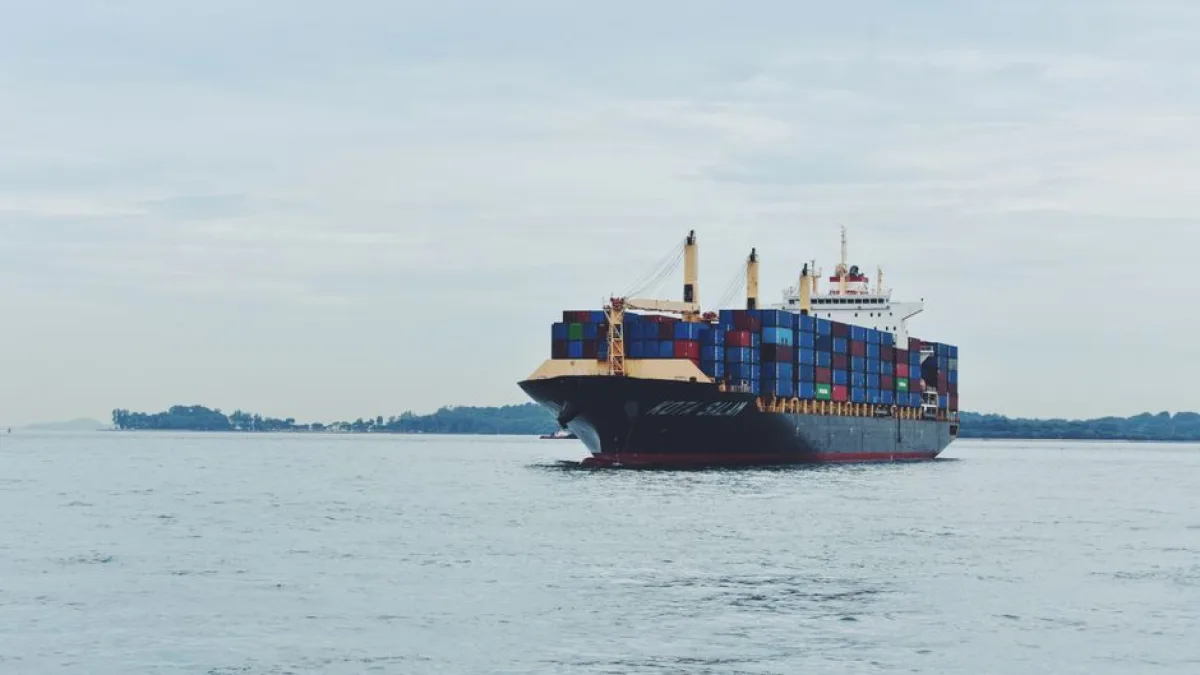
Connecting directly with ocean and air carrier systems provides the most reliable data possible for your operations. Bypassing manual portals allows for a seamless flow of information that keeps your clients informed without any unnecessary delays or errors.
- Direct data synchronization: Establishing a direct API connection between your software and carrier databases ensures that the information you share is always current, verified, and completely accurate.
- Standardized tracking formats: Harmonizing data across multiple carriers creates a consistent experience for your clients, regardless of which vessel or airline is handling the actual freight movement.
- Increased operational speed: Removing the need to log into various carrier websites saves your team valuable hours every week, which can be redirected toward business development activities.
- Improved data accuracy: Automated data ingestion eliminates the risk of human error associated with manual status updates, leading to fewer disputes and higher overall customer satisfaction levels.
Modern freight forwarders who prioritize carrier API integrations gain a significant competitive advantage in a crowded market. By ensuring that your internal tracking tools pull data directly from source providers, you maintain a level of professional credibility that manual processes cannot match. This systematic approach to data management fosters long-term growth and positions your logistics brand as a leader in technical reliability today.
Improving Customer Communication

Clear communication is the bridge between a successful shipment and a disgruntled client. Utilizing automated notifications transforms your customer service approach from reactive to proactive, ensuring that your clients feel confident throughout the entire shipping process.
- Customized notification triggers: You can set up personalized alerts for your customers, informing them exactly when their cargo reaches specific milestones like port departure or final delivery arrival.
- Document sharing efficiency: Instantly provide clients with their bills of lading and invoices through secure links within the tracking portal, speeding up the overall financial settlement cycle.
- Real-time status transparency: Granting your clients access to view their shipment status independently reduces the volume of repetitive phone calls and emails reaching your busy support desk.
- Personalized status reports: Automatically generated status reports allow your sales team to provide value-added insights to key accounts, which helps strengthen existing professional relationships and drive retention.
Investing in advanced communication tools directly impacts your company reputation. When clients receive reliable and timely updates without needing to prompt your team, they are far more likely to remain loyal. This high level of service differentiates your logistics business in a competitive market while freeing up your staff to handle complex logistics challenges that require a human touch to resolve.
Conclusion

Mastering the art of shipping and tracking is essential for modern freight forwarders aiming to scale their operations successfully. By utilizing integrated cloud-based software, you can automate manual workflows, improve data accuracy, and enhance the overall experience for your clients. Start optimizing your tracking processes today to ensure that your business remains ahead of the curve and provides unmatched value in the global market.