Mastering Real-Time Tracking for Modern Freight Forwarding
Friday, September 18 2026
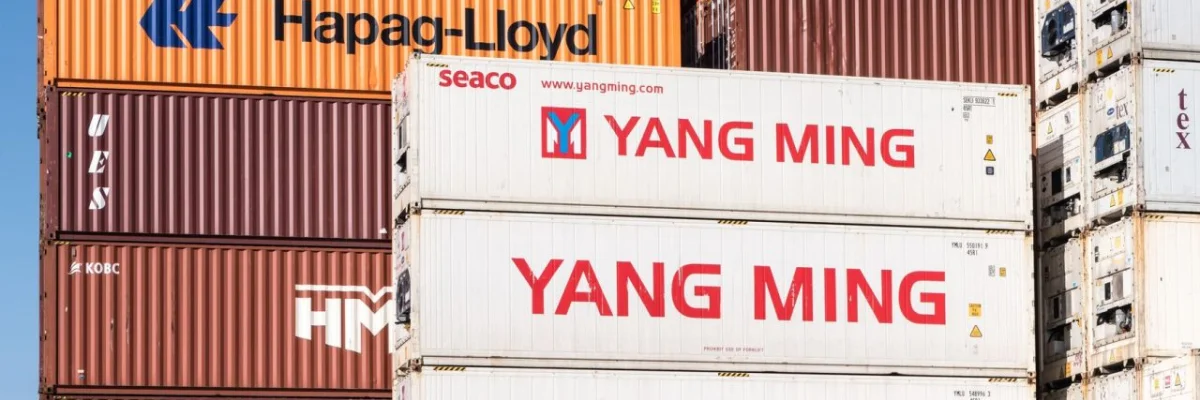
The global logistics landscape is undergoing a massive transformation driven by the relentless demand for transparency and speed. Freight forwarders are no longer just moving cargo from point A to point B. They are now information brokers who must provide granular visibility to shippers who expect Amazon-like tracking capabilities at every stage of the journey. As supply chain complexities mount, the ability to leverage digital tools becomes the primary differentiator between industry leaders and those struggling to remain relevant. Adopting integrated tracking technology allows teams to anticipate bottlenecks, reduce communication overhead, and foster deeper trust with clients through constant, data-backed updates.
The Evolution of Visibility
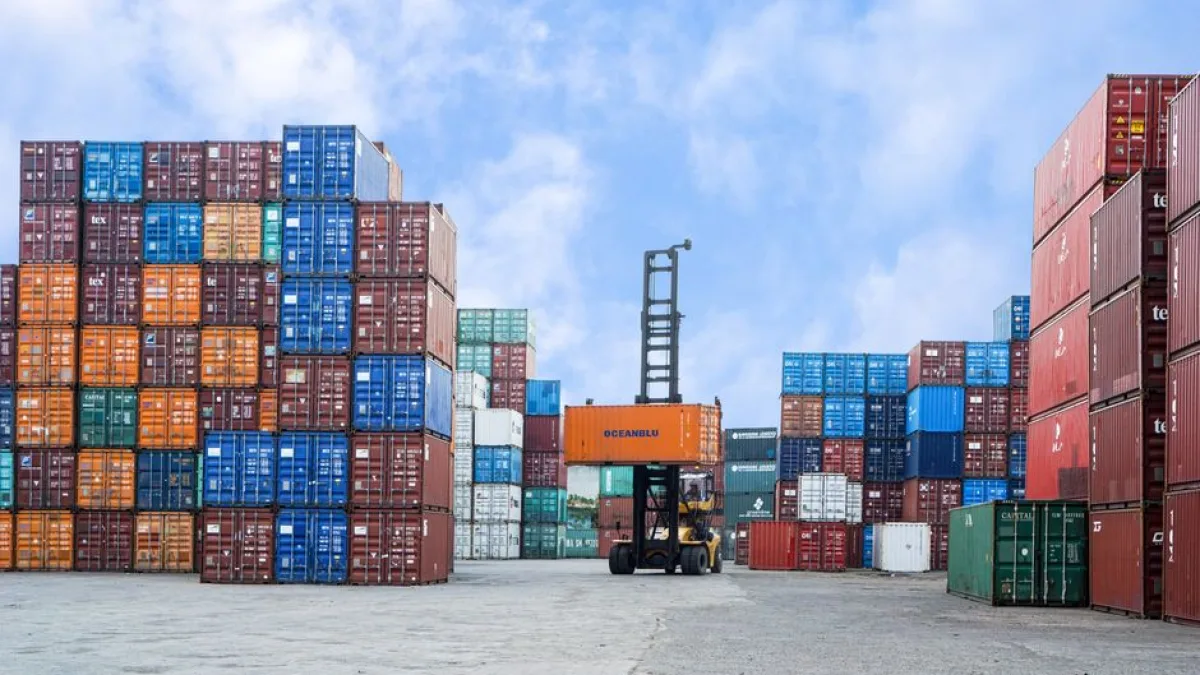
Modern visibility platforms have shifted from basic status updates to comprehensive tracking ecosystems. By connecting directly with carriers and port authorities, freight forwarders gain a live view of transit milestones, allowing for proactive intervention before minor delays escalate into costly supply chain failures.
- Data integration benefits: Connecting your freight software directly to carrier APIs ensures that tracking information is updated instantly, removing the manual labor associated with checking multiple websites for updates.
- Proactive issue resolution: Having a clear view of where cargo sits in real time enables teams to alert customers to potential delays well before they impact downstream operations.
- Enhanced client trust: Providing stakeholders with access to a transparent dashboard builds significant confidence in your services, ultimately leading to higher retention rates and long-term business growth.
- Reducing manual tasks: Automation tools pull tracking status updates into your central management system, which saves your operations team countless hours of repetitive data entry each week.
Transitioning toward digital visibility requires a shift in how your team interacts with shipping data. When manual updates are replaced by automated system alerts, your staff can focus on high-value problem solving rather than administrative busywork. Investing in these sophisticated tracking tools creates a scalable foundation for your freight forwarding business, ensuring you remain competitive in a landscape that prioritizes accuracy and rapid communication.
Managing Transit Exceptions
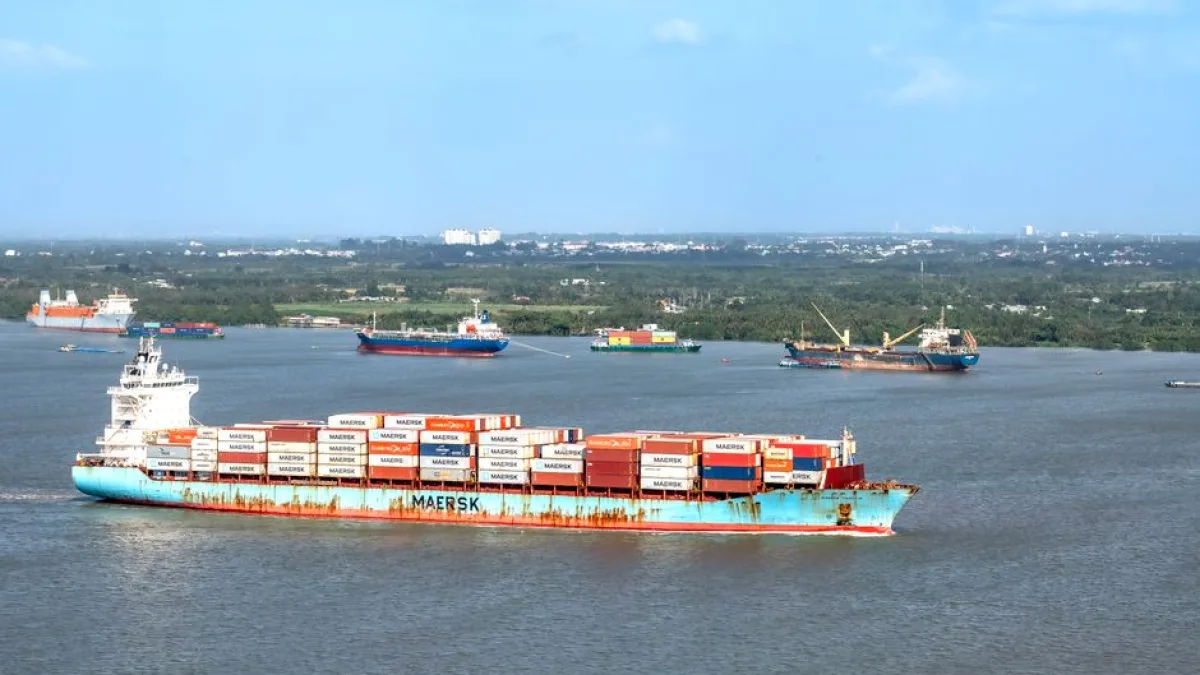
Exceptions are an inevitable part of international shipping, often caused by severe weather or sudden port congestion. Effective management involves using software to identify these disruptions quickly so you can reroute shipments or manage customer expectations with precise, factual data.
- Real time alerts: Automated notification systems flag potential problems early, which gives your logistics coordinators the necessary lead time to arrange alternative routes or expedited delivery solutions.
- Data driven decisions: Access to historical performance metrics allows you to compare different carrier options and avoid routes that are historically prone to frequent transit exceptions.
- Clear client communication: Providing detailed explanations for delays based on live data helps maintain professional relationships even when the unexpected occurs during the shipping journey.
- Strategic route planning: Analyzing patterns in exception reporting provides insights that help you build more resilient shipping schedules for your high-volume clients throughout the entire year.
Handling disruptions effectively proves your expertise as a logistics partner. Instead of hiding behind excuses, you use data to provide solutions that keep cargo moving safely. By refining your exception management strategy, you transform a negative shipping event into a demonstration of professional reliability. This approach minimizes the financial impact on your clients while reinforcing your reputation as a proactive and capable forwarder.
Streamlining Global Operations
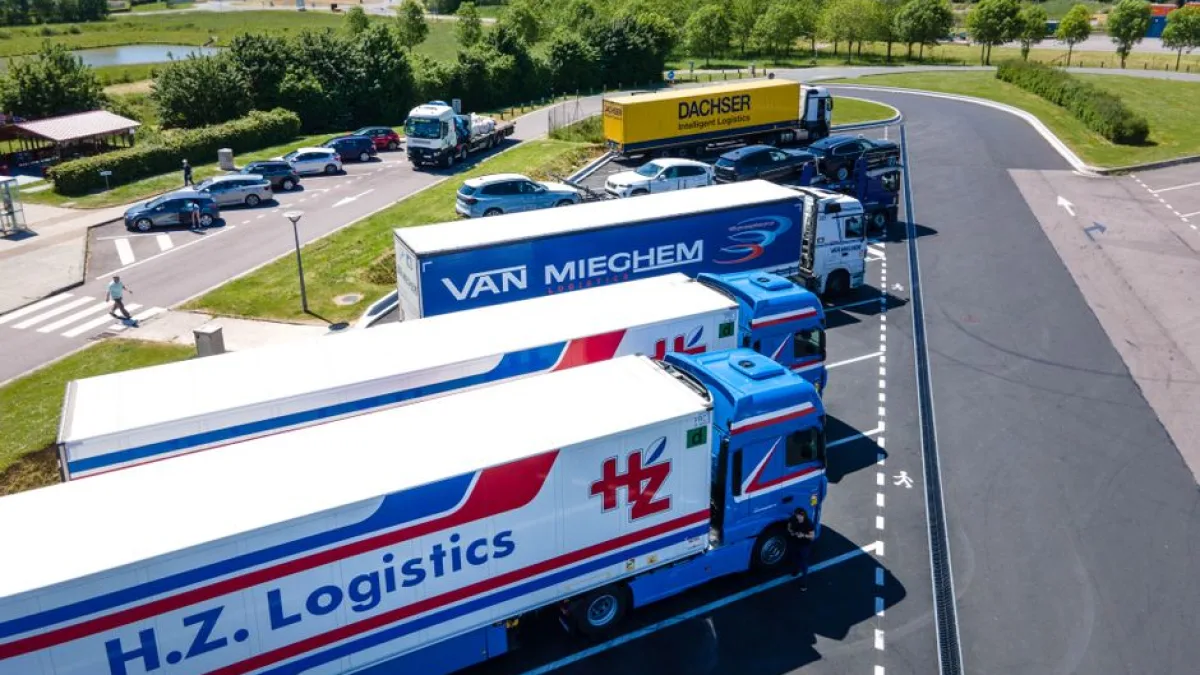
Operational efficiency is the backbone of a successful freight forwarding firm. By consolidating tracking data into a single platform, you eliminate departmental silos and ensure that every team member sees the exact same information regarding a shipment status.
- Centralized data access: Keeping all tracking information in one cloud platform prevents confusion and ensures that your customer support team can answer inquiries without calling warehouse staff.
- Workflow automation features: Configure your tracking platform to trigger automatic emails to shippers whenever their cargo crosses a specific milestone, such as arriving at customs clearance.
- Increased staff productivity: Eliminating the need to manually verify cargo locations frees your personnel to focus on growing customer relationships and optimizing your service offerings further.
- Standardized reporting tools: Create custom reports for your high-value customers that summarize transit performance, helping you demonstrate the value your firm provides through quarterly business reviews.
Efficiency relies on removing friction from your daily internal processes. When your tracking software works in harmony with your management system, the flow of information becomes seamless and reliable. This operational maturity allows your business to scale without needing to hire additional staff at the same rate as your transaction volume. You gain the agility required to survive and thrive in global markets.
Leveraging Customer Dashboards
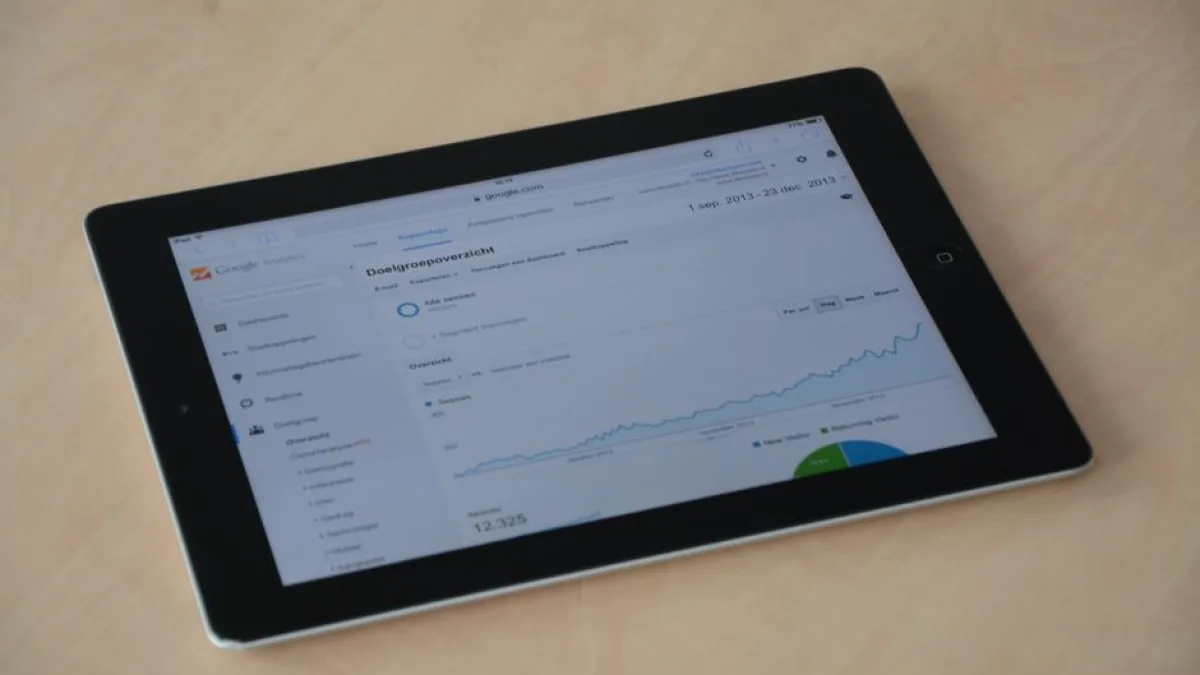
Customer-facing portals are essential for professional freight forwarders. They empower your clients to check shipment status independently, reducing the burden on your support team while providing a superior digital experience that matches modern B2B purchasing expectations.
- Self service options: Enabling your clients to view their tracking history or download documents independently reduces the volume of status inquiries flooding your inbox every single day.
- Branded user portals: Customize the tracking interface to match your company branding, which reinforces your professional identity every time a client logs in to monitor their cargo.
- Real time transparency: Showing your clients exactly what you see builds an atmosphere of honesty that prevents miscommunication and aligns expectations between all parties involved in shipping.
- Integrated document sharing: Link relevant shipping documents directly to the tracking view, so your clients always have easy access to essential paperwork like bills of lading.
Your client portal is often the primary touchpoint for your shippers. By investing in a high quality interface, you show that your company is committed to innovation and customer success. A smooth digital experience satisfies the modern requirement for speed and transparency while freeing up your team. This strategic move cements your position as a forwarder that provides both cargo and information.
Conclusion

Successful freight forwarders recognize that modern shipping is just as much about information management as it is about physical transport. By leveraging cloud based tracking tools, your team can improve operational efficiency, increase client satisfaction, and handle transit disruptions with professional precision. Take the first step toward digitizing your logistics workflow today to ensure that your business remains a dominant leader in the global shipping industry.