Mastering Real-Time Tracking in Freight Forwarding
Wednesday, August 12 2026
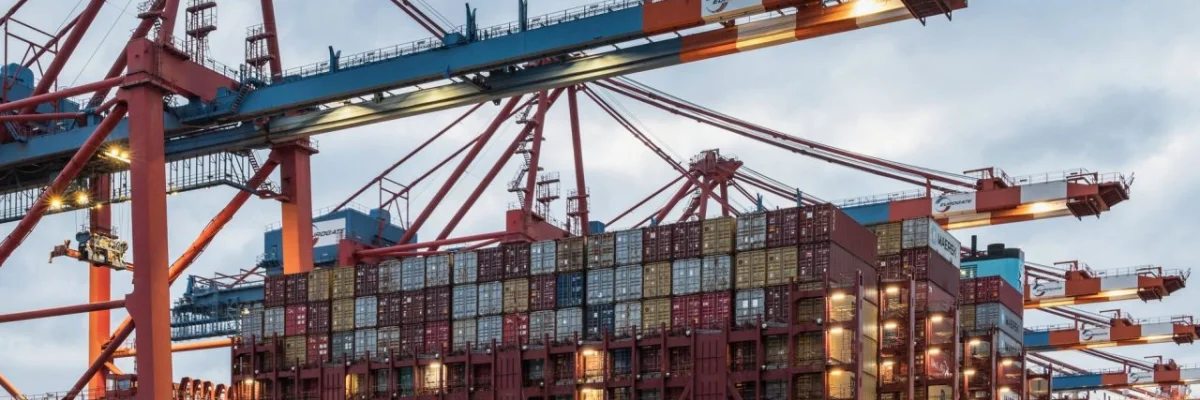
In the modern logistics landscape, freight forwarding has evolved from manual document handling to data-driven digital operations. As cargo flows across complex international borders, the demand for precision, speed, and visibility has never been higher. Freight forwarders must now leverage integrated cloud-based platforms to keep pace with client expectations and volatile shipping markets. By embracing real-time tracking technologies, professionals can anticipate delays, communicate proactively, and maintain a competitive edge. This article explores how advanced tracking capabilities transform supply chain visibility, improve operational reliability, and ultimately foster stronger partnerships between forwarders and their global clients in this fast-paced industry.
The Evolution of Visibility

Digital visibility tools have replaced manual updates with live feeds, allowing freight forwarders to monitor shipments across multiple modes of transport. This shift minimizes guesswork and allows for faster response times when disruptions occur in the global supply chain.
- Automated status updates: Advanced software integrates directly with carrier APIs to provide instantaneous tracking data, ensuring that your team and your customers stay informed throughout the entire transit process.
- Proactive delay alerts: Intelligent systems detect potential bottlenecks at ports or borders, allowing forwarders to notify clients before delays escalate into major service issues for their business operations.
- Enhanced shipment accuracy: Real-time synchronization eliminates the discrepancies often found in manual entry methods, providing a single source of truth for all stakeholders involved in the international shipment.
- Data driven insights: Aggregated tracking logs offer valuable performance metrics on carrier reliability, helping you make informed decisions when selecting partners for future high priority freight shipments.
Adopting these sophisticated tools shifts your operational focus from reactive troubleshooting to proactive management of global shipments. When your team can view the entire journey from origin to destination without manual intervention, efficiency gains naturally follow. This level of transparency not only saves significant administrative time but also positions your freight forwarding business as a highly reliable partner in an increasingly demanding market.
Optimizing Carrier Communication
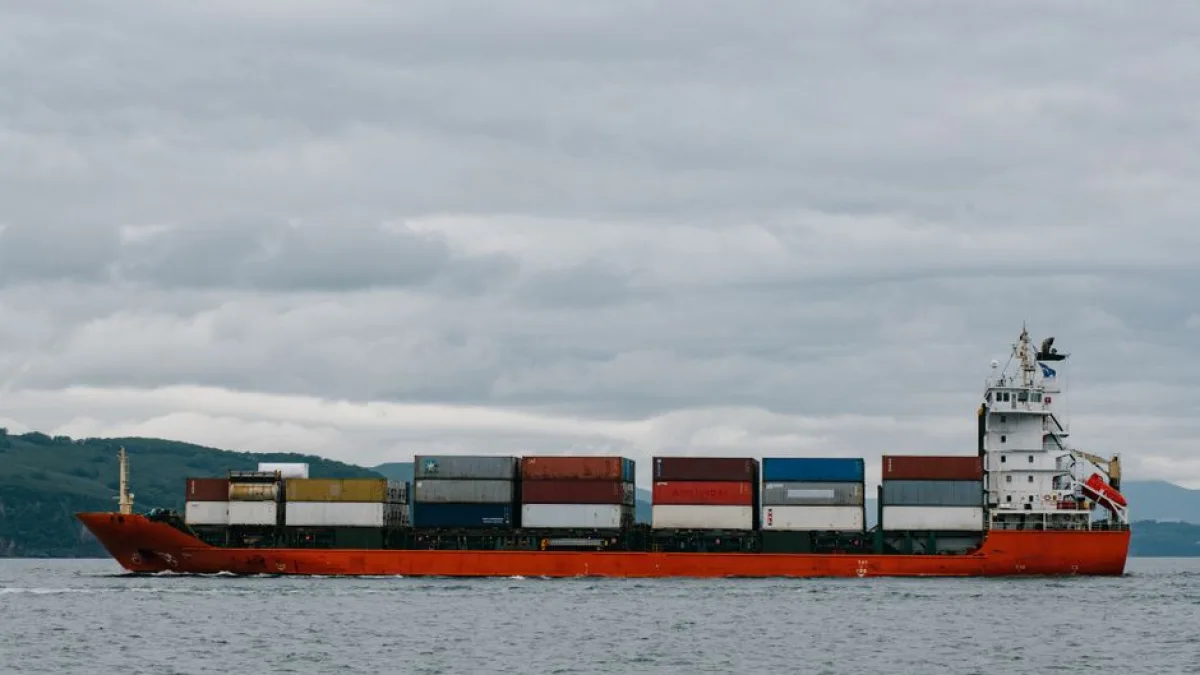
Effective communication between forwarders and carriers is essential for seamless logistics. Real-time tracking platforms centralize these interactions, ensuring that all parties access identical information, which reduces human error and speeds up coordination during critical phases of the transit.
- Centralized communication logs: Keeping all correspondence within a single digital platform ensures that history is preserved and accessible to every team member managing the specific customer account.
- Instant carrier status: Direct digital integration removes the need for time consuming phone calls or emails, giving your staff the freedom to focus on strategic planning instead.
- Seamless partner integration: Unified systems allow freight forwarders to connect with multiple carriers easily, creating a cohesive network that simplifies managing complex multi-modal international cargo shipments daily.
- Reduced manual tasks: Automation tools handle routine data entry and status checking, freeing up your professional staff to solve complex logistics problems that require human expertise.
Optimizing how you interact with carriers through digital platforms directly influences your service quality. By standardizing communication channels, you avoid the common pitfalls of fragmented data and missed notifications. This structural improvement fosters long term stability, allowing your forwarding operations to scale efficiently while maintaining high levels of customer satisfaction, even when managing large volumes of diverse international freight throughout the year.
Customer Satisfaction Through Transparency

Today's customers expect immediate access to their cargo data. By offering a client facing portal, you grant your customers the autonomy to check shipment status whenever they need, which significantly boosts their confidence in your forwarding services.
- Client self service portals: Providing customers with secure access to their shipping data reduces the volume of status inquiries your office receives throughout a typical business week.
- Customizable reporting tools: Allowing clients to generate their own performance reports based on tracking history adds extra value to your service and builds lasting professional trust levels.
- Consistent brand experience: White labeled tracking interfaces ensure that your customers interact with your company brand rather than third party platforms, reinforcing your professional market identity.
- Personalized delivery alerts: Automated notifications sent directly to customers keep them informed without requiring your staff to perform any additional manual outreach or data entry tasks.
Transparency is the most effective tool for building long-term loyalty in the freight industry. When clients can track their own goods through your platform, they feel empowered and informed, which drastically reduces the anxiety often associated with international trade. By delivering a clear, user-friendly digital experience, you differentiate your company from competitors and establish a reputation for high-quality professional service delivery.
Scaling Operations with Data
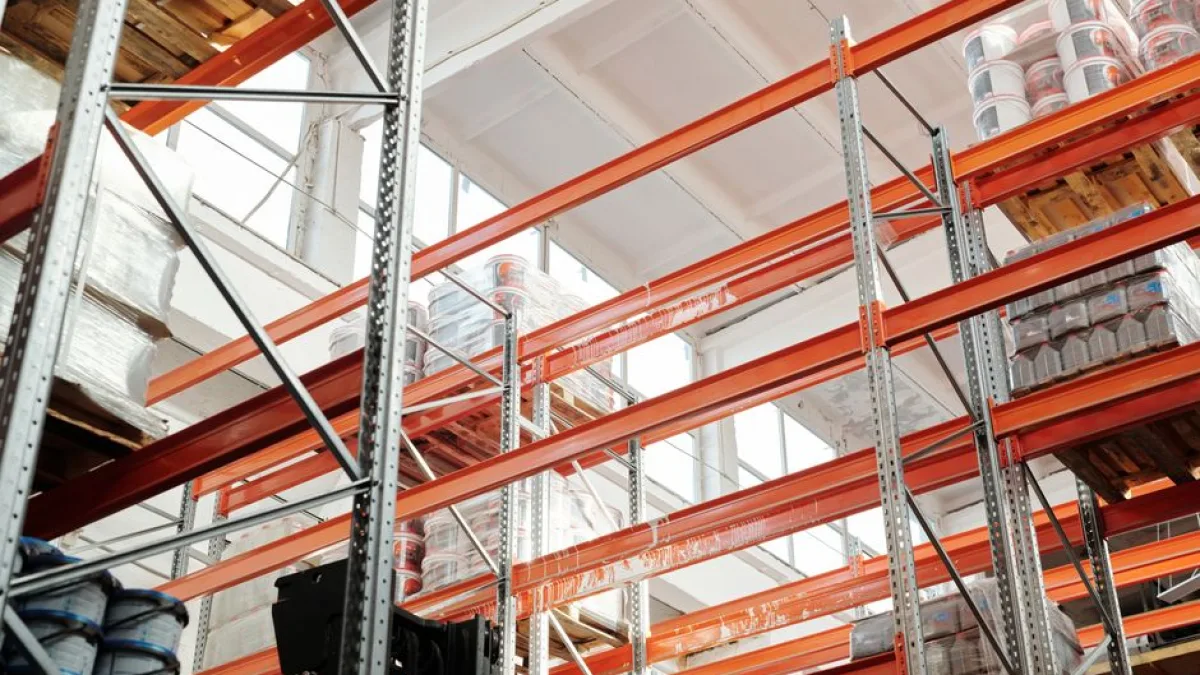
Data is the backbone of modern freight forwarding success. By analyzing tracking data over time, forwarders can identify patterns, optimize routes, and improve overall profitability by refining their operational processes based on factual historical and real-time performance analytics.
- Performance pattern analysis: Reviewing historical tracking data helps identify recurring delays, enabling you to optimize routing choices to avoid specific carriers or routes that underperform consistently today.
- Resource planning efficiency: Understanding peak shipping times through data trends allows your team to allocate resources effectively, ensuring high-quality service during periods of increased market demand.
- Revenue growth opportunities: Identifying lanes where your service excels based on tracking data helps you focus your sales efforts on the most profitable shipping routes available.
- Operational cost reduction: Eliminating redundant manual checking processes through data integration lowers your overhead costs, allowing for better profit margins and more competitive market pricing strategies.
Strategic use of tracking data transforms your business from a service provider into a vital supply chain consultant. As you collect more information, your ability to provide actionable advice to customers increases exponentially. This shift in capability supports sustainable growth, as your operational decisions become increasingly accurate. Ultimately, mastering your data leads to a leaner, more responsive, and highly profitable logistics organization.
Conclusion

Real-time tracking is no longer an optional luxury but a fundamental requirement for success in modern freight forwarding. By integrating advanced digital tools, you improve transparency, strengthen carrier relations, and deliver superior customer experiences. As you continue to refine your processes, remember that technology serves as the foundation for growth. Invest in robust platforms to ensure your forwarding business remains efficient, competitive, and ready for future challenges.