Mastering Modern Shipping and Real-Time Tracking for Freight Forwarders
Saturday, September 5 2026
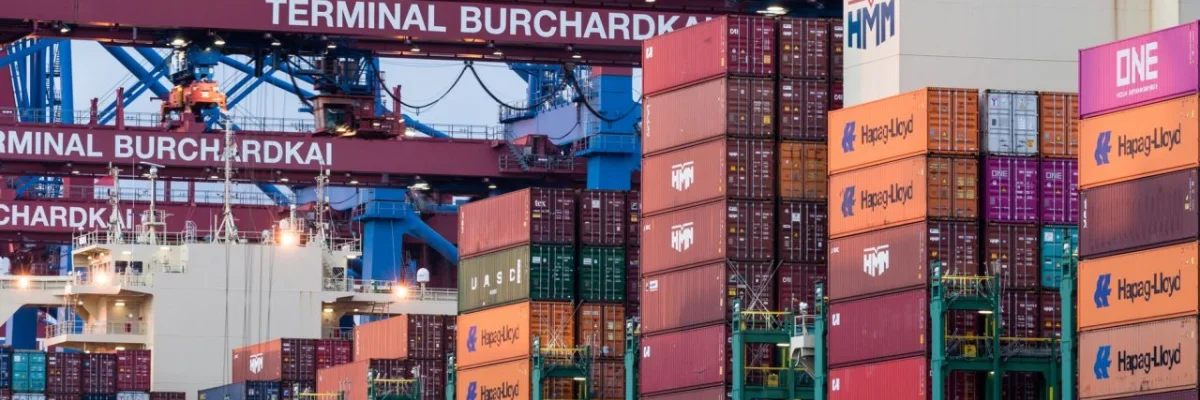
The global logistics landscape is evolving at a breakneck pace, forcing freight forwarders to move beyond manual spreadsheets and legacy systems. Clients now demand total visibility into their supply chains, expecting instantaneous updates on cargo movement from origin to final destination. Embracing digital transformation is no longer a luxury but a fundamental necessity for maintaining a competitive edge in a crowded marketplace. By leveraging cloud-based platforms and sophisticated tracking technologies, forwarders can enhance operational efficiency, reduce communication bottlenecks, and provide the proactive service levels that shippers require to thrive in today's interconnected and highly volatile international trade environment.
Optimizing Shipment Visibility
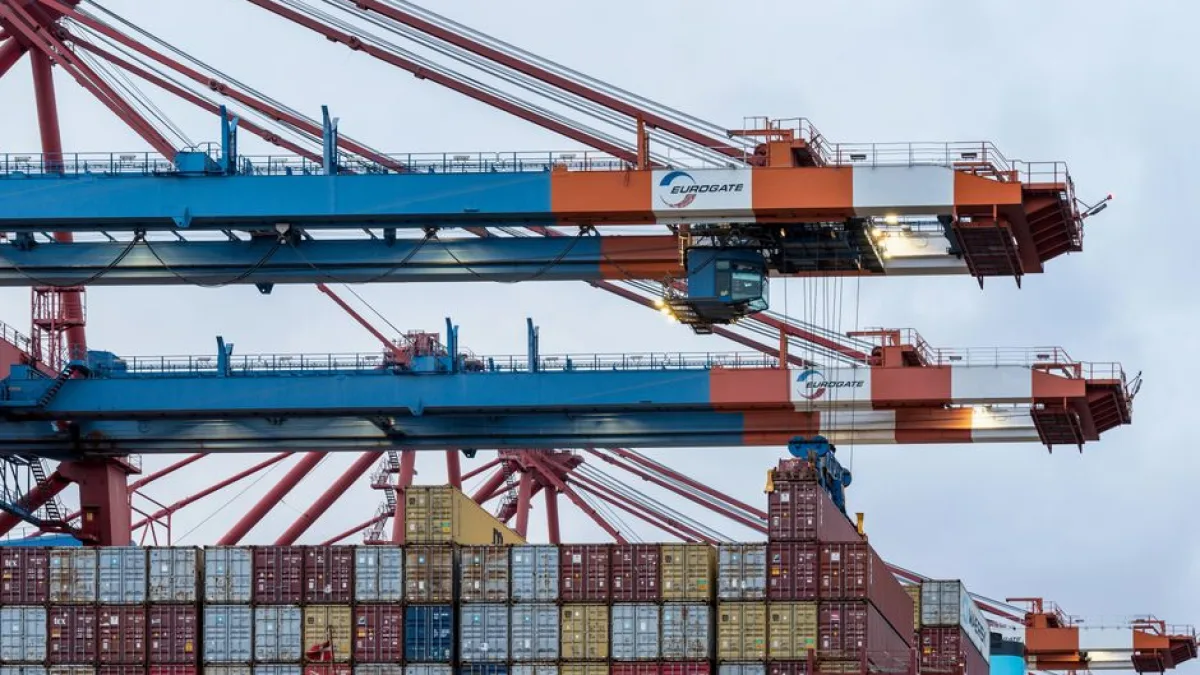
High-resolution visibility tools allow your team to monitor cargo status across multiple carriers and shipping lanes simultaneously. By integrating data directly into your dashboard, you eliminate manual data entry errors while ensuring that stakeholders remain informed throughout the entire logistics lifecycle.
- Real-time vessel tracking: Modern software platforms integrate directly with satellite feeds to provide live GPS updates on container locations, allowing your team to anticipate delays before they impact delivery schedules.
- Automated status notifications: Send instant updates to your clients whenever a shipment reaches a milestone, which reduces the volume of inbound queries and builds significant trust with your shippers.
- Carrier portal integration: Seamlessly connect with global ocean and air carriers to pull live status updates into a unified interface, creating a single source of truth for operations.
- Customizable reporting suites: Generate comprehensive reports that highlight transit times and carrier performance metrics, enabling you to make data-driven decisions that improve overall supply chain reliability for customers.
Achieving total shipment visibility transforms how you interact with your clients every single day. Instead of spending hours digging through outdated carrier websites or fielding urgent emails, your team can focus on proactive problem solving. Providing this level of transparency not only differentiates your brand from competitors but also creates long-term loyalty that sustains your business during periods of global market instability or logistical disruption.
Proactive Exception Management

Exception management identifies potential delays before they escalate into critical issues. By utilizing predictive analytics, forwarders can pivot cargo routes or adjust delivery schedules in advance, ensuring that supply chains remain resilient regardless of unexpected disruptions or port congestion events.
- Predictive delay alerts: Software algorithms analyze historical transit data to warn you about potential port bottlenecks, helping your team reroute shipments to avoid costly delays for your clients.
- Intelligent document management: Upload and verify shipping documents automatically to ensure that customs clearance proceeds without hitches, reducing the risk of cargo being held at international borders.
- Dynamic route optimization: Evaluate alternative transportation paths in real time when weather or geopolitical issues arise, allowing you to suggest faster options to your stressed shipping partners.
- Integrated communication tools: Collaborate with partners and agents directly within the platform to resolve exceptions faster, keeping all correspondence linked to the specific shipment for better accountability.
Handling disruptions effectively is the true test of any freight forwarding operation today. When you anticipate hurdles and communicate solutions clearly, you become a strategic partner rather than just a service provider. These proactive measures prevent minor issues from becoming major financial losses for shippers. By investing in modern exception management software, you protect your company reputation and secure your operational excellence indefinitely.
Enhancing Customer Communication

Consistent and clear communication is the bedrock of strong client relationships. Modern freight platforms facilitate seamless information sharing, ensuring that shippers receive the right details at the exact moment they need them, thereby reducing frustration and improving overall service satisfaction levels.
- Client-facing tracking portals: Offer your customers a dedicated, branded login area where they can check status updates independently, which significantly decreases your team workload regarding repetitive inquiries.
- Automated email templates: Utilize professional, pre-formatted email notifications that trigger automatically during key events, ensuring that your communication remains consistent and highly detailed across every single account.
- Centralized data logs: Maintain a complete history of every conversation and document update for each shipment, making it easy for any staff member to provide immediate assistance.
- Feedback collection loops: Request input from your customers after each shipment is completed, which provides you with actionable insights to refine your service and address potential pain points.
Investing in advanced communication tools drastically reduces the noise often associated with logistics management. When clients have the power to view progress on their own time, they feel more in control of their cargo. This self-service approach builds a transparent relationship that fosters growth and long-term partnerships. Ultimately, clear information is the best currency a forwarder can offer to their shipping clients.
Future-Proofing Your Logistics Operations
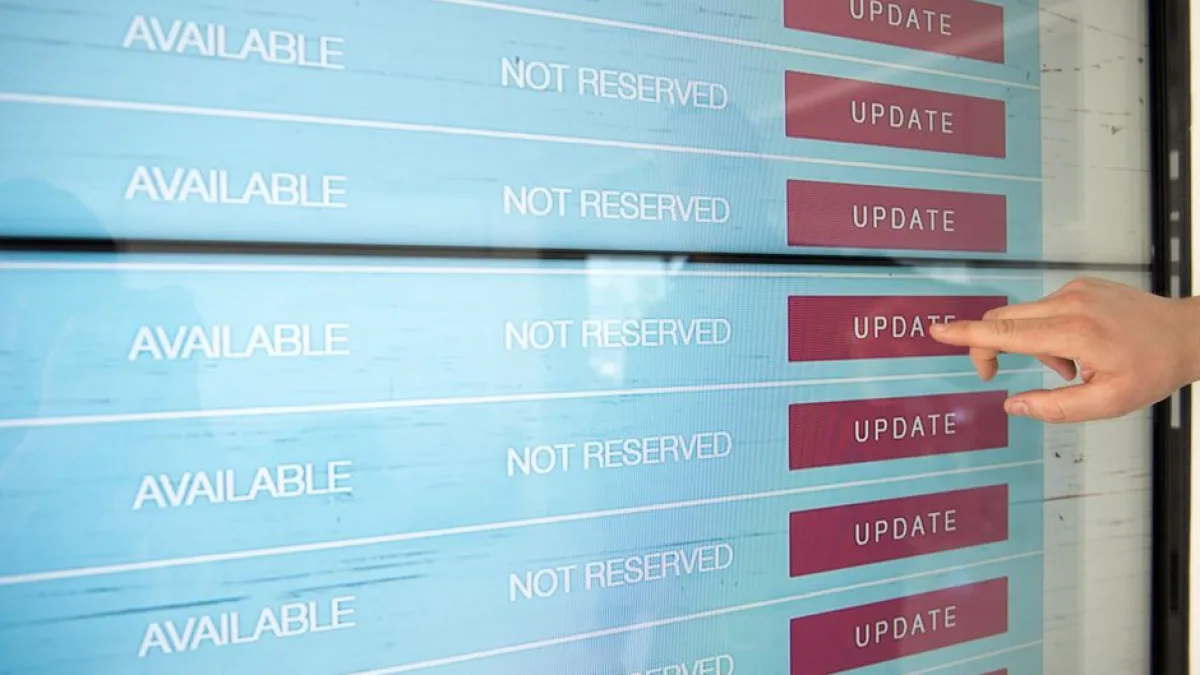
Future-proofing requires the adoption of scalable, cloud-based software that evolves with the industry. As new technologies like automation and artificial intelligence become standard, forwarders must ensure their systems are capable of rapid integration to maintain high levels of operational performance.
- Scalable cloud infrastructure: Utilize a platform that grows alongside your cargo volume, ensuring your system never lags or crashes during peak shipping seasons or periods of expansion.
- API-first architecture designs: Choose software that supports easy integration with accounting or warehouse management systems, which streamlines your internal workflows and eliminates redundant data entry tasks daily.
- Security and data compliance: Ensure your freight platform adheres to international cybersecurity standards, protecting sensitive customer information from potential digital threats while maintaining high data integrity levels always.
- Continuous software updates: Benefit from regular feature releases that incorporate the latest industry standards, so your business never falls behind the curve in a rapidly changing logistics market.
Preparing for the future means selecting software that adapts to change as quickly as you do. By choosing a cloud-based solution, you ensure that your team always has access to the most advanced tools available. This strategic foresight allows your freight forwarding company to focus on scaling operations and achieving greater profitability without being held back by outdated, rigid, and siloed software systems.
Conclusion

Mastering modern shipping and tracking is essential for success in the competitive freight forwarding industry. By leveraging cloud technology, you gain the visibility, agility, and communication power required to satisfy demanding shippers. Focus on integrating these digital solutions into your daily operations to ensure long-term efficiency. Start optimizing your logistics workflow today to build a resilient, forward-thinking business that consistently delivers excellence.