Mastering Real-Time Shipping and Tracking for Freight Forwarders
Sunday, September 13 2026
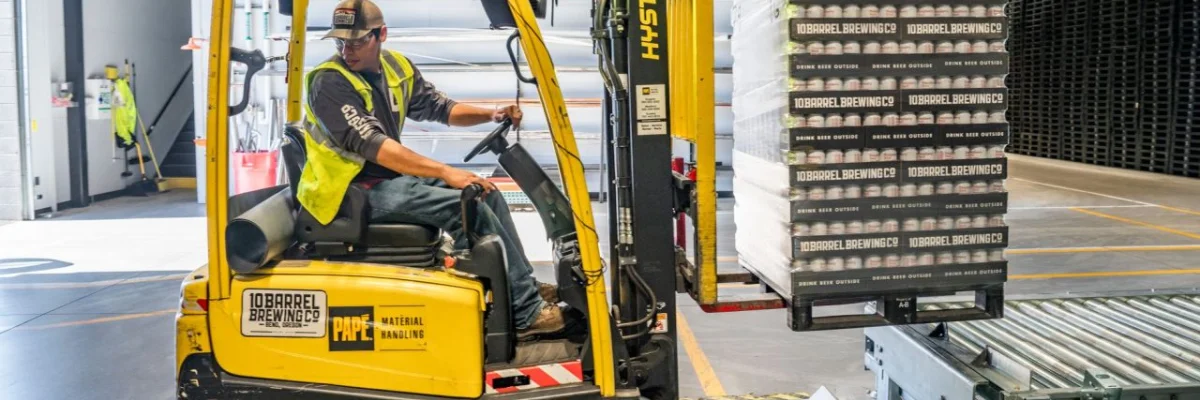
In today's fast-paced logistics environment, the ability to provide real-time visibility is no longer a luxury but a fundamental necessity for freight forwarders. Clients demand instant updates regarding their cargo status, and modern software solutions are bridging the gap between uncertainty and transparency. By leveraging cloud-based platforms, forwarders can automate data flow, reduce manual errors, and provide superior service levels that drive long-term client retention. Mastering these digital tools is essential for maintaining a competitive edge in a crowded global marketplace where information speed defines success and reliable tracking becomes the standard for every modern logistics partnership.
Optimizing Data Visibility
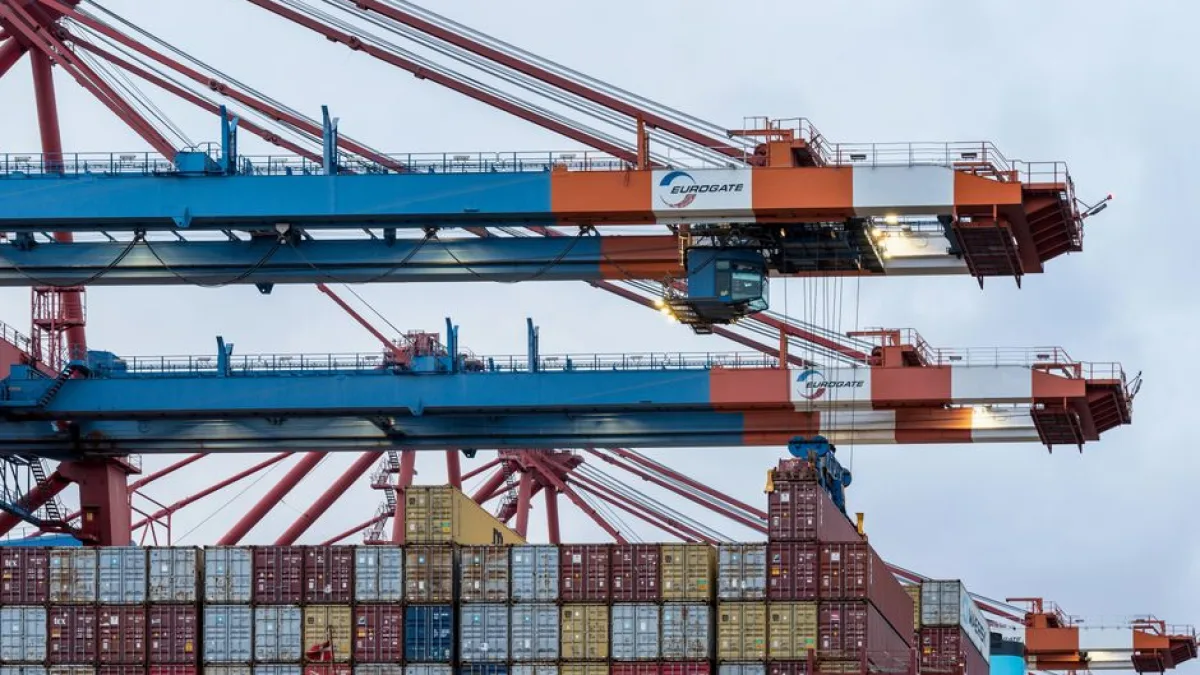
High-resolution visibility tools allow your team to monitor shipments across multiple transit points simultaneously. Integrating digital data feeds directly into your operational dashboard ensures that your staff spends less time chasing updates and more time managing critical logistics exceptions.
- Automated status updates: Receive instant notifications regarding vessel arrival times and terminal departures to keep your customers informed without having to manually request data from carriers or partners.
- Centralized shipment logs: Maintain a single source of truth where every stakeholder can view the history of a shipment, ensuring consistent communication across your global network of agents.
- Proactive delay management: Utilize advanced tracking algorithms to predict potential bottlenecks before they occur, allowing your team to re-route cargo and minimize expensive shipping delays for clients.
- Real-time inventory sync: Synchronize your warehouse and transit data to provide your clients with an accurate picture of their supply chain status at every critical milestone.
By centralizing your tracking data, you eliminate the constant back-and-forth emails that drain internal resources and cause frustration. Modern software platforms turn raw data into actionable intelligence, allowing your team to anticipate issues before they escalate. When customers see that you provide accurate, timely information without them having to ask, your brand reputation strengthens significantly, positioning your company as a reliable market leader.
Enhancing Customer Communication

Clear communication is the heartbeat of any successful freight forwarding operation. By providing clients with a branded, professional portal, you can foster trust and reduce the administrative burden of handling repetitive inquiries about current container locations and document status updates.
- Branded client portals: Offer your customers a dedicated space where they can log in, view live shipment maps, and download necessary documentation without needing your direct assistance.
- Custom notification triggers: Configure alerts that automatically notify your clients during key events like customs clearance or final mile delivery, creating a premium and transparent service experience.
- Simplified document access: Allow clients to retrieve bills of lading and commercial invoices instantly through your tracking interface to speed up the administrative side of shipping.
- Multi-channel support integration: Connect your tracking dashboard with email and messaging systems to ensure that critical updates reach your clients through their preferred communication method every time.
Transparent communication prevents the common misunderstandings that often plague complex international shipments. When your clients have direct access to their freight information via a professional portal, they feel empowered and informed. This reduction in manual service requests allows your staff to focus on high-value tasks, effectively increasing your team capacity without adding headcount, while simultaneously driving high satisfaction scores from your valued partners.
Leveraging Predictive Analytics

Predictive analytics represent the future of logistics management by turning historical data into a roadmap for efficiency. By analyzing past shipment patterns, forwarders can identify recurring issues and refine their routing strategies to save costs and improve overall service reliability.
- Historical trend analysis: Review past performance metrics to identify which carriers or transit routes consistently cause delays, allowing for more informed future shipping decisions and better planning.
- Cost variance forecasting: Predict potential increases in freight charges by analyzing market shifts, helping your clients budget more effectively for their international trade requirements throughout the year.
- Optimized routing paths: Use predictive modeling to suggest alternative shipping lanes that offer faster transit times or lower costs, giving your clients a distinct advantage in logistics.
- Resource demand planning: Forecast busy seasons in advance to ensure your team has the necessary bandwidth and partner support to handle increased volumes without sacrificing quality.
Moving from a reactive to a predictive stance enables your business to offer strategic value that goes beyond simple transportation services. You become a consultant rather than a vendor. By presenting data-driven insights to your customers, you deepen the business relationship and prove your worth as an essential partner in their growth, ultimately securing repeat business in a volatile global logistics market.
Ensuring Security and Compliance

Maintaining high standards of security and regulatory compliance is vital in modern freight forwarding. Tracking systems that prioritize data integrity help protect sensitive customer information while ensuring that all cargo movements remain within the legal frameworks of various international jurisdictions.
- Audit trail records: Keep a permanent, secure log of every action taken within your software to ensure total accountability and transparency for your company and your clients.
- Secure document sharing: Utilize encrypted platforms to transmit sensitive trade documents, significantly reducing the risk of data breaches during the exchange of essential shipping paperwork globally.
- Compliance monitoring alerts: Receive automatic warnings if a shipment is heading toward a restricted area or violating international trade regulations, protecting your business from heavy legal penalties.
- Automated regulatory reporting: Generate accurate reports for customs and tax authorities with a single click, ensuring your operations remain compliant without requiring endless manual data entry.
Securing your digital environment is as important as moving physical cargo safely from port to port. When you demonstrate that your tracking processes prioritize data protection and strict compliance, you build deep trust with large enterprises that require high standards. This focus on security mitigates risks and provides a solid foundation for scaling your operations safely in a complex, heavily regulated global industry.
Conclusion

Integrating advanced shipping and tracking tools transforms how your freight forwarding business functions. By prioritizing data visibility, communication, predictive insights, and security, you create a robust service model that delights customers. Adopt these modern software solutions today to streamline your internal workflows, reduce human error, and position your company for long-term growth in the competitive logistics sector. Your future efficiency depends on these digital advancements.