Maximizing Efficiency with a Dedicated Freight Forwarder Customer Portal
Wednesday, October 28 2026
Modern freight forwarding requires seamless digital integration to keep pace with global supply chain demands. For logistics providers, the transition to cloud-based solutions has become essential for maintaining competitive advantages and client trust. By implementing a dedicated customer portal, agencies can move away from scattered email threads and manual updates, offering instead a centralized hub for real-time visibility and document management. This shift not only empowers clients with instant access to their shipment data but also significantly reduces the administrative burden on your operational team, allowing everyone to focus on growth and strategy rather than routine status inquiries.
Enhancing Real-Time Shipment Visibility
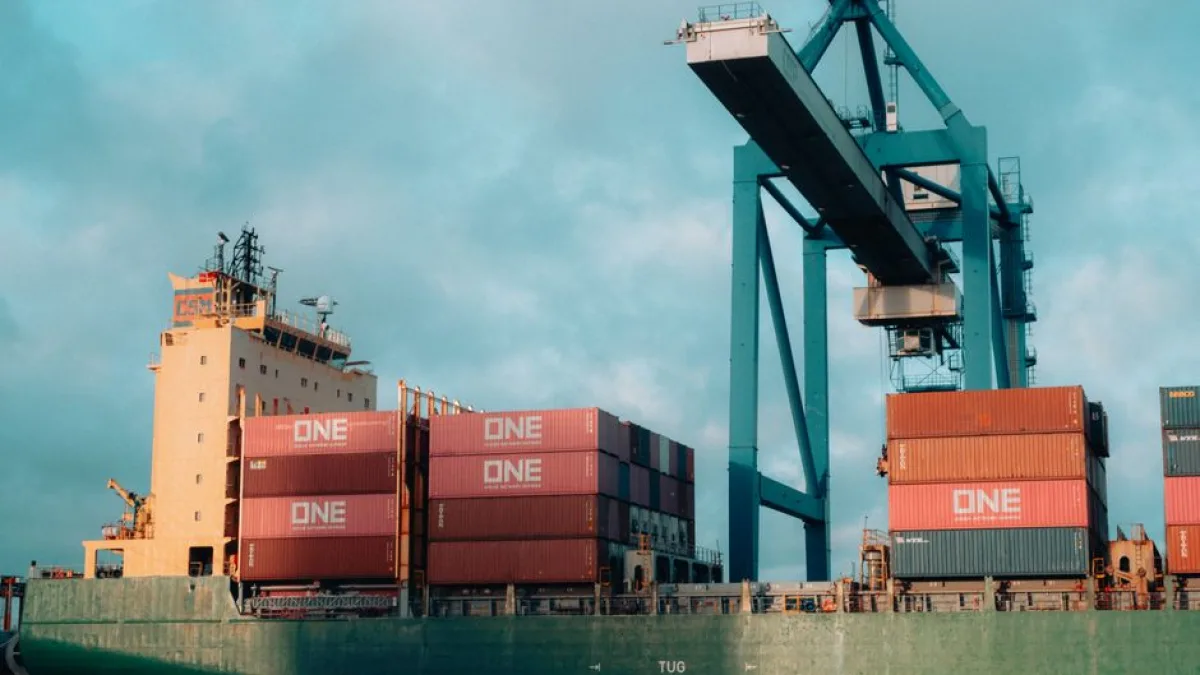
Digital visibility remains the cornerstone of modern logistics, providing customers with constant updates regarding their cargo status. By replacing manual status checks with automated portal notifications, you provide clarity and precision that clients expect in today's fast-paced international shipping environment.
- Instant Status Updates: Eliminate repetitive phone calls by providing clients with live tracking information directly on their dashboard, ensuring they remain informed about their shipment progress without needing manual intervention.
- Automated Milestone Alerts: Configure custom triggers that automatically notify your clients whenever their goods reach specific transit points, reducing anxiety and building long-term confidence in your professional shipping services.
- Live Map Tracking: Integrate visual tracking tools into the portal interface, allowing users to monitor vessel or aircraft locations, which significantly enhances transparency during complex multi-modal international transit operations.
- Historical Data Logs: Store every previous movement and timestamp within a searchable database, giving clients the ability to audit their supply chain performance and identify potential areas for future optimization.
Providing this level of transparency is no longer a luxury but a fundamental expectation for logistics partners. When clients see your commitment to technology, they view your business as a sophisticated extension of their own supply chain. This trust fosters loyalty and positions your agency as a reliable partner capable of navigating any disruption with total clarity, ultimately resulting in higher client retention rates across the board.
Centralizing Documentation and Compliance

Effective document management simplifies the complex regulatory landscape of global trade. By centralizing all critical paperwork in a secure portal, you ensure that every stakeholder accesses the correct, up-to-date files while maintaining strict compliance with international customs requirements.
- Secure Document Storage: Maintain a vault of essential shipping documents such as bills of lading and commercial invoices, protecting sensitive data while ensuring easy retrieval for authorized account users.
- Seamless File Sharing: Enable instant upload and download capabilities for required permits, reducing the time spent on physical transfers or insecure email attachments that often cause administrative delays.
- Compliance Audit Trail: Log every document access and modification attempt, providing a robust trail that satisfies internal auditing needs and simplifies the verification process for international tax authorities.
- Version Control Systems: Prevent errors by utilizing built-in versioning tools that highlight the most recent iteration of documents, ensuring that all partners work from the same accurate information set.
Digital document management drastically reduces the risk of human error, which is the primary cause of customs delays and fines. By creating a single source of truth for all project files, your team minimizes the confusion associated with outdated paperwork. This organized approach improves internal workflows and demonstrates professional competence, reinforcing the reputation of your freight forwarding business in a competitive global market.
Automating Communication for Better Collaboration

Efficient communication is the lifeblood of logistics, yet email clutter often hampers productivity. A dedicated customer portal streamlines interactions, ensuring that all conversations and queries remain neatly categorized and easily accessible, which prevents critical information from getting lost in overflowing inboxes.
- Integrated Support Ticketing: Direct all customer inquiries through a structured ticketing system that assigns tasks to the right department, ensuring faster response times and improved accountability for every request.
- Internal Team Collaboration: Allow your staff to communicate privately on client issues within the portal, providing a unified response that presents a professional image to the end customer.
- In-App Message Boards: Provide a dedicated space for specific shipment discussions, ensuring that context remains preserved and easily searchable for future reference by any member of the logistics team.
- Priority Response Triggers: Implement intelligent routing that highlights urgent messages, allowing your customer service team to address high-stakes problems immediately without sacrificing the quality of standard communication channels.
When you remove the dependency on fragmented email threads, you gain a clearer picture of your team's performance. The portal acts as a permanent record of interactions, which is invaluable for resolving disputes or reviewing historical project timelines. By fostering a collaborative environment, you decrease internal stress and improve the overall quality of service your clients experience during their time working with you.
Personalizing the User Experience

A tailored customer experience distinguishes your services from generic logistics providers. By allowing users to customize their portal view, you demonstrate an appreciation for their unique workflows, ensuring they have the most relevant data at their fingertips at all times.
- Customizable User Dashboards: Empower your clients to arrange their workspace with the widgets that matter most to them, such as pending tasks, active shipment maps, or financial reporting.
- Role-Based Access Levels: Define specific permissions for different user roles within client organizations, ensuring that financial data remains confidential while logistics teams access the details they need daily.
- Brand Integration Options: Utilize white-label features that reflect your company identity, building a consistent and professional brand image that clients will recognize and trust throughout every interaction.
- Personalized Reporting Tools: Offer flexible reporting templates that allow clients to generate custom analytics based on their specific operational needs, providing deeper insights into their total logistics spend.
Personalization goes a long way toward building lasting partnerships. When clients can interact with a platform that feels like it was designed specifically for their needs, they are less likely to look for alternatives. This level of attention to detail showcases your company's dedication to service excellence, making the portal a genuine asset that adds measurable value to every single logistics contract you manage.
Conclusion

Adopting a customer portal is a transformative move for any freight forwarder aiming for sustainable growth. By streamlining visibility, documentation, and communication, you not only save valuable time but also elevate your service standard significantly. Start your digital journey today by implementing these tools to empower your clients and optimize your internal workflows. MakeCargo provides the perfect foundation for this essential modern transition.