Maximizing Efficiency with a Dedicated Freight Forwarding Customer Portal
Friday, August 28 2026

Modern logistics demands speed, transparency, and constant communication. As freight forwarders manage increasingly complex supply chains, the traditional methods of email updates and manual spreadsheets are becoming obsolete. A robust customer portal serves as the digital backbone of your operations, transforming how clients interact with your services. By centralizing data and automating routine tasks, you empower your staff to focus on high-value logistics challenges rather than answering status update inquiries. Implementing a cloud-based portal is no longer a luxury but a strategic necessity to differentiate your brand, improve customer retention, and drive operational excellence in an competitive global marketplace.
Real-time Shipment Visibility
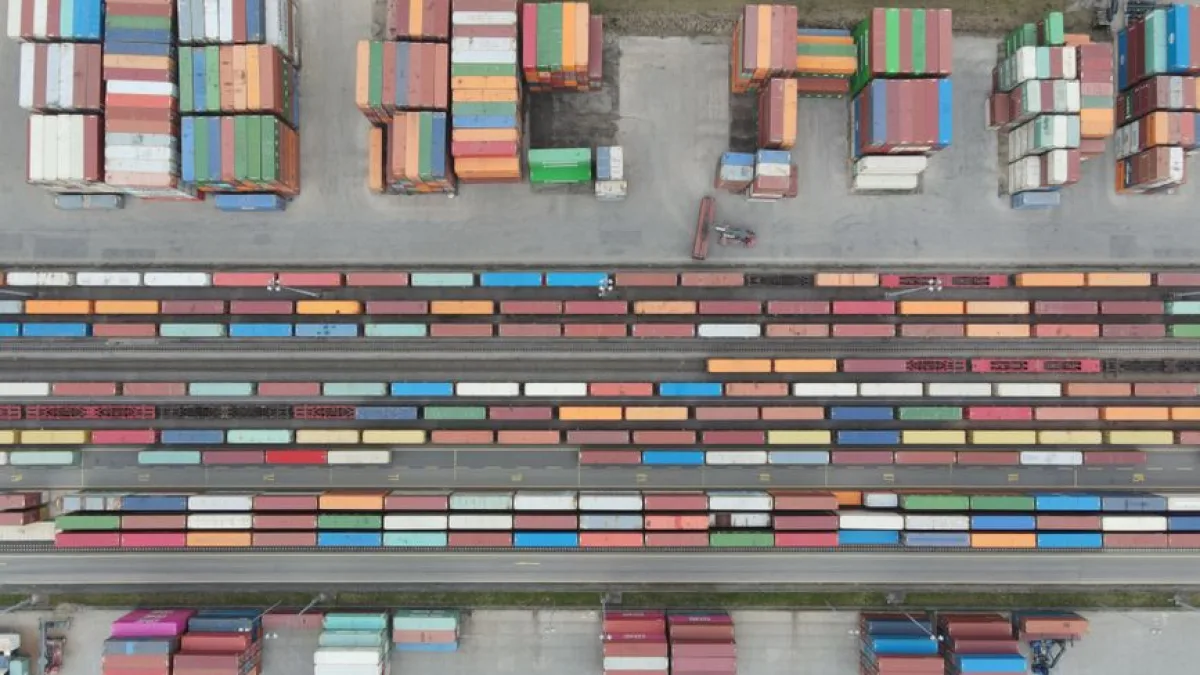
Visualizing the movement of goods in real-time provides stakeholders with the clarity they need to make informed decisions. A dedicated portal reduces anxiety by delivering accurate milestone updates directly to the client interface without requiring manual input from your operations team.
- Automated status tracking: Clients receive instant notification of shipment milestones, which eliminates the need for manual status reports and drastically reduces the volume of redundant email inquiries from customers.
- Map based tracking: Interactive map views allow shippers to monitor vessel or truck movements globally, providing a sense of control and confidence in your forwarding service delivery.
- Document central access: Secure digital storage for bills of lading and commercial invoices ensures that clients can retrieve critical shipping documentation instantly from any location at any time.
- Customized dashboard views: Personalized user interfaces allow your key accounts to prioritize specific shipments or regional lanes, tailoring the portal experience to match their unique logistical reporting requirements.
By providing a transparent window into the transit process, forwarders build significant trust with their clients. This level of visibility shifts the relationship from transactional to a true strategic partnership. When customers feel empowered by the data available to them, they are more likely to commit to long-term contracts, ultimately fostering steady growth and operational stability for your professional logistics firm.
Streamlined Documentation Management

Paperwork remains the most significant bottleneck in global logistics. A digitized portal consolidates document flow, ensuring that all parties access the correct versions of customs forms, clearance papers, and insurance certificates within a single, secure environment for compliance.
- Paperless document exchange: Eliminate the risks associated with email attachments and physical paper copies by managing all essential shipping paperwork through a unified and secure cloud gateway.
- Automated approval workflows: Built-in notification systems alert clients to pending document signatures, which effectively minimizes delays caused by administrative bottlenecks or missing information during critical transit phases.
- Version control safety: Centralized storage ensures that only the most current version of a document is visible, reducing the risk of errors resulting from outdated shipment paperwork.
- Encrypted file transfer: Advanced security protocols protect sensitive commercial information during the upload and download process, satisfying stringent data privacy requirements for international logistics and global trade.
Efficient document management reduces the time spent on administrative tasks by over thirty percent. When you digitize the lifecycle of a document, you minimize the risk of costly clearance errors and compliance fines. This streamlined approach allows your team to redirect their efforts toward client acquisition and solving complex routing problems, directly improving your bottom line and overall service delivery speed.
Optimized Communication Channels

Effective communication is the core of successful freight forwarding. A portal facilitates a direct line of communication, keeping all relevant messages within the context of specific shipments, thereby preventing vital information from being buried in disorganized email chains.
- Shipment specific chat: Enable instant messaging features that attach directly to individual cargo files, ensuring that conversations remain contextual and easy for your team to track.
- Internal team collaboration: Allow your staff to tag colleagues in notes within the portal, facilitating seamless communication between dispatch, customs brokerage, and sales departments regarding active shipments.
- Proactive alert systems: Configure automated alerts to inform clients of potential delays or route changes immediately, positioning your company as a proactive partner in their supply chain.
- History log tracking: Maintain a complete and unalterable history of all messages and updates, providing accountability and clarity for both your team and your valued clients.
Replacing siloed communication with a unified platform bridges the gap between your operations and your clients. This structure ensures that every team member has access to the same information, which prevents miscommunication and reduces human error. Your clients will appreciate the professional consistency of your responses, leading to higher levels of satisfaction and a stronger reputation in the logistics industry.
Enhanced Data Analytics

Leveraging logistics data turns raw information into actionable business intelligence. Through a customer portal, freight forwarders can provide clients with deeper insights into their spending, shipping patterns, and lead times, helping them optimize their own internal inventory and supply chains.
- Freight spend reports: Generate automated financial summaries that categorize costs by route, carrier, or mode of transport, helping your clients understand and manage their total shipping expenditure.
- Performance tracking metrics: Display key performance indicators such as transit times and carrier reliability, providing proof of your company's value through objective and transparent performance data visualizations.
- Predictive trend analysis: Offer advanced reporting tools that highlight seasonal shipping patterns, allowing your customers to plan inventory procurement more effectively and avoid peak season capacity crunches.
- User behavior analytics: Monitor how clients utilize the portal to identify service gaps, enabling you to refine your software features to better support your most active partners.
Data analytics transforms your firm from a service provider into a strategic advisor. When you deliver high-value insights, you make your company an indispensable part of your client's business planning process. This analytic capability provides a distinct competitive advantage, as it shows clients that you are dedicated to their success, significantly increasing customer loyalty and driving ongoing business growth.
Conclusion

Adopting a robust customer portal is a critical step for freight forwarders who want to lead in the digital era. By automating documentation, enhancing visibility, and providing deep analytics, you can elevate your service standards while drastically reducing operational costs. Start integrating these advanced tools into your workflow today to create a seamless experience that your clients will value for years to come.