Maximizing Efficiency with a Dedicated Freight Forwarding Customer Portal
Thursday, September 24 2026

In the fast-paced logistics industry, manual communication often leads to bottlenecks that hinder operational growth and client satisfaction. Freight forwarders are increasingly adopting integrated customer portals to bridge the gap between complex supply chain data and end-user visibility. By shifting away from endless email chains and static spreadsheets, firms can provide clients with a centralized hub for real-time tracking, document management, and streamlined communication. This digital transformation not only reduces the administrative burden on your internal team but also empowers your customers with self-service capabilities that foster long-term loyalty and professional trust in an increasingly competitive global shipping landscape.
Enhanced Shipment Visibility
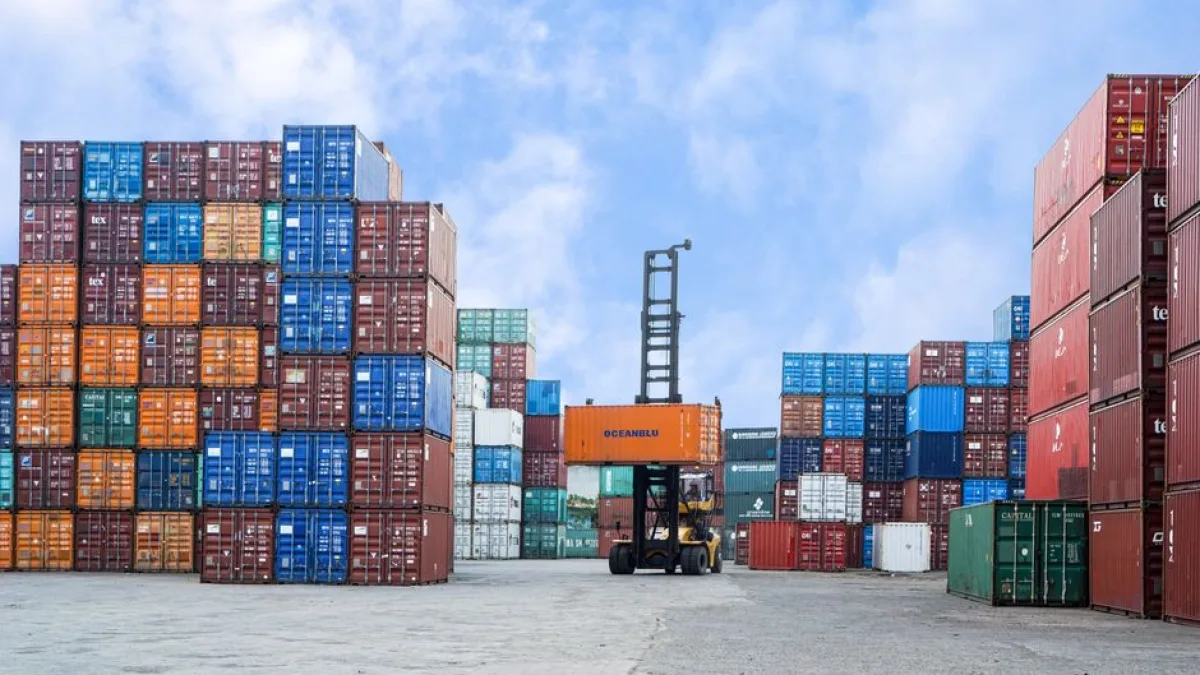
Providing clients with instant access to their shipment status is no longer a luxury but a fundamental necessity for modern logistics providers. Visual dashboards help clients understand exactly where their goods are during every stage of the transit process.
- Real-time tracking status: Customers gain immediate insight into their cargo location without calling staff, reducing the volume of status-check emails that typically flood your daily customer support operations.
- Automated milestone updates: Proactive notifications trigger automatically whenever a milestone is achieved, ensuring that your clients remain informed about their logistics progress without any manual effort from agents.
- Detailed transit logs: Every movement is recorded chronologically within the portal, providing a transparent record that helps clients plan their inventory replenishment and logistics strategy with complete confidence.
- Visual tracking maps: Interactive map views allow users to visualize global transit routes, turning complex shipping data into an easy to understand format that improves overall user engagement.
Adopting a robust portal solution shifts the focus from reactive communication to proactive service delivery. By automating the flow of shipment information, your team can concentrate on solving high-value logistical problems rather than answering repetitive status queries. This increased visibility builds a stronger foundation for professional collaboration, ultimately turning your customer support department into a strategic partner that drives value for your clients every single day.
Centralized Document Management

Organizing essential shipping documentation requires a secure system that allows for easy retrieval and sharing between forwarders and their global shipping clients throughout the entire lifecycle of any given maritime or air freight transaction.
- Secure file hosting: All critical documents like invoices, bills of lading, and customs forms are stored in a centralized cloud repository that remains accessible to authorized users everywhere.
- Instant document retrieval: Clients can download necessary paperwork at their convenience, eliminating the need to wait for email attachments during time-sensitive moments in the global supply chain.
- Version control systems: Automated systems ensure that all stakeholders are viewing the most recent iteration of any document, which effectively prevents costly errors during the clearance process.
- Digital signature integration: Built-in tools allow clients to sign and approve essential documents directly inside the portal interface, drastically speeding up your administrative and operational workflows.
The elimination of paper-based workflows saves significant time and reduces the risk of document loss or misplacement during transit. By consolidating every invoice and manifest into one searchable portal, you provide a seamless experience that highlights your company commitment to efficiency. This digital maturity improves audit trails and compliance tracking, ensuring your clients feel secure while managing their important trade data online.
Streamlined Customer Communication

Effective communication serves as the backbone of every successful freight forwarding partnership. A dedicated customer portal replaces fragmented email threads with a single channel for all logistics discussions, requests, and internal project coordination tasks.
- Integrated messaging tools: Direct chat features within the portal allow for quick inquiries, ensuring that every conversation is linked to a specific shipment for better organizational clarity.
- Task management boards: Clients and agents can track pending items or pending approvals through a shared task list that keeps all parties aligned on project timelines.
- Unified communication history: All past discussions are saved within the portal, providing a complete audit trail that makes resolving disputes or reviewing project details remarkably simple.
- Support ticket tracking: Users can raise specific inquiries or service requests, which are then routed to the correct department to ensure prompt and accurate professional responses.
Consolidating communications prevents critical details from getting lost in a busy inbox. Your team gains the ability to prioritize requests based on urgency rather than the order in which emails arrive. This organized approach to client support enhances your reputation as a reliable and responsive logistics partner, setting you apart from traditional forwarders who rely on outdated and slow manual communication methods.
Scalable Operations and Growth

Technology allows freight forwarders to handle a higher volume of business without increasing their overhead costs. A scalable portal platform ensures your infrastructure evolves alongside your business, supporting complex global shipping operations effortlessly.
- Self-service customer features: Allowing clients to manage their own data entry and document uploads reduces the workload for your staff, enabling your team to handle more accounts.
- Customized reporting tools: Clients generate their own shipping analytics and performance reports, which provides them with deeper insights into their supply chain costs and delivery timelines.
- Cloud based infrastructure: Your platform remains accessible from any device or location, which supports the remote working models currently common in the modern global logistics and shipping industry.
- API data integration: Advanced connectivity options allow the portal to communicate with existing ERP systems, creating a synchronized data environment that minimizes the need for manual entry.
Investing in scalable software tools is a strategic decision that prepares your firm for long-term expansion in the market. By providing an interface that can grow with your clients requirements, you demonstrate stability and technological sophistication. This approach allows your business to capture larger accounts and maintain higher service standards while keeping operational costs optimized for long-term profitability and success.
Conclusion

Modernizing your freight forwarding business with a customer portal is essential for remaining competitive in today's digital logistics environment. By offering transparency, centralized document management, and efficient communication, you provide an experience that modern clients expect from their partners. Start your digital transformation today to improve operational efficiency, increase client satisfaction, and position your logistics firm for sustainable growth in the future shipping industry.