Maximizing Efficiency with a Dedicated Freight Forwarding Customer Portal
Thursday, August 20 2026

Modern logistics demands speed and transparency to keep global supply chains moving without interruption. Freight forwarders are increasingly adopting dedicated customer portals to bridge the gap between complex operational data and client needs. By providing a centralized hub for tracking, documentation, and communication, these platforms remove the burden of manual status updates and email fatigue. This shift not only empowers your clients with real-time visibility but also allows your team to focus on high-value logistics challenges. Embracing a digital customer portal is no longer an optional upgrade, but a vital necessity for forwarders aiming to scale operations profitably in a competitive landscape.
Enhanced Visibility and Tracking

Real-time tracking provides clients with the granular detail they require to manage their own internal operations effectively. By integrating live status updates directly into a secure portal, you eliminate the need for repetitive manual check-ins and phone calls.
- Automated status updates: The system pushes instant notifications to the portal whenever a milestone is reached, ensuring clients remain informed without requiring your staff to send manual emails daily.
- Live shipment tracking: Clients gain access to interactive maps and status indicators that reflect current movement, providing peace of mind and reducing common anxiety regarding cargo location.
- Historical data access: Users can easily pull up past shipment records and tracking logs from previous months, which simplifies their internal audit processes and future logistics planning efforts.
- Exception management alerts: Proactive notifications inform clients of potential delays immediately, allowing them to adjust their production schedules or inventory planning before a minor delay becomes a crisis.
Providing this level of clarity transforms the client relationship from a reactive engagement into a proactive partnership. When customers can see exactly where their freight is at any moment, they trust your service reliability far more than they would with sporadic email updates. This transparency acts as a powerful retention tool that separates your firm from competitors who still rely on fragmented, manual communication methods.
Streamlined Document Management
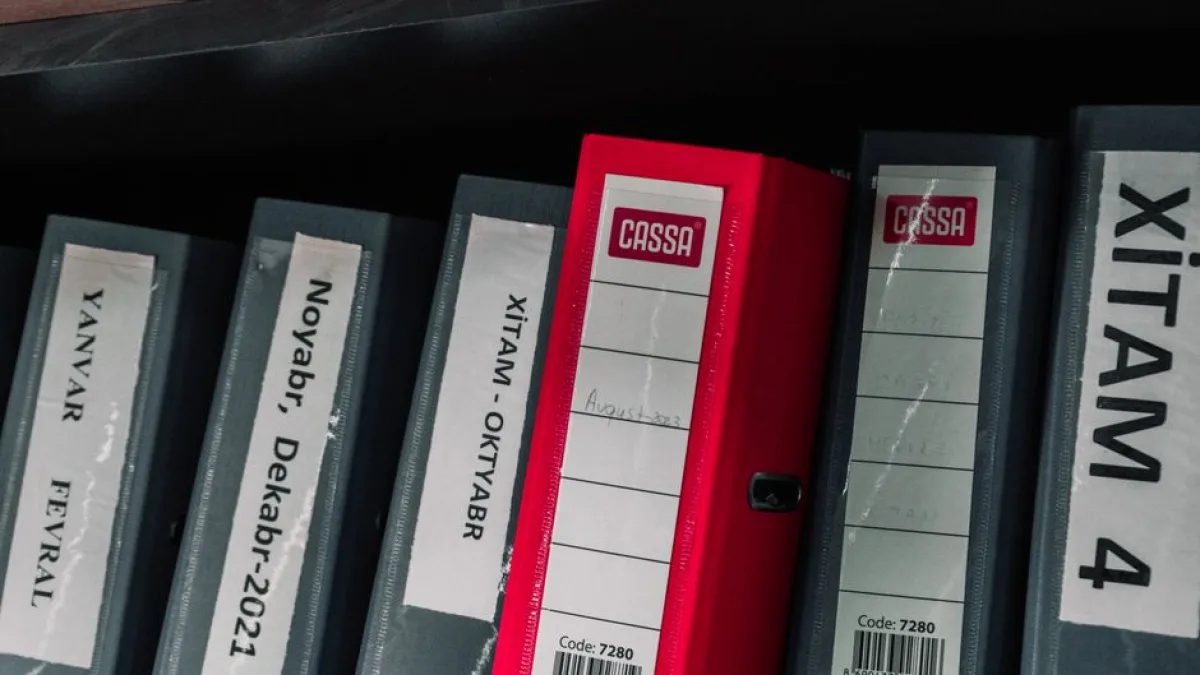
Document management often becomes a bottleneck in logistics due to the massive volume of paperwork involved. A central portal digitizes every invoice, bill of lading, and certificate, ensuring that critical documents are always reachable by authorized team members.
- Instant file access: Authorized users can download customs documents or invoices at any hour of the day, which removes the typical wait times associated with traditional email-based document sharing.
- Centralized document repository: All essential paperwork is stored in a secure cloud environment, preventing the common issue of lost email attachments or confusing version control conflicts during transit.
- Secure document upload: Clients can securely upload their own necessary documentation directly into the system, streamlining the handoff process and reducing potential errors during the data entry phase.
- Version history tracking: The portal keeps a clear record of every document version, ensuring that both your team and your clients are always looking at the latest files.
Eliminating paper and email-based workflows significantly reduces administrative overhead and minimizes the risk of human error. When your team spends less time searching through inbox folders for a misplaced document, they can dedicate more energy to optimizing freight routes and managing complex customs requirements. This efficiency gain directly improves your bottom line while providing clients with a seamless, professional experience every time.
Self-Service Quote Requests

The sales cycle can be significantly shortened by implementing self-service quoting tools within your portal. Enabling clients to request quotes autonomously allows for faster turnaround times and increases the probability of capturing new business opportunities without constant sales intervention.
- Automated quote forms: Standardized forms ensure that you receive all the necessary information, such as weight, dimensions, and incoterms, before a quote is even generated by your staff.
- Fast quote generation: Integration with your pricing engine allows for quick estimates, helping clients make immediate shipping decisions based on real-time market rates and carrier service availability.
- Consistent pricing logic: Centralizing the quoting process ensures that every client receives accurate pricing based on your firm's specific business rules, preventing costly estimation mistakes or human errors.
- Previous quote history: Clients can revisit their previous quote requests to compare pricing trends or simply reorder the same service, which makes repeat business incredibly easy and fast.
Moving your quoting process into a digital portal creates a frictionless experience that customers will appreciate. By standardizing the information you collect, you reduce back-and-forth communication that often stalls the sales process. This level of automation gives your team the capacity to handle more volume, enabling you to grow your business without necessarily increasing your headcount or expanding expensive back-office operations.
Centralized Client Communication

Effective communication is the cornerstone of successful logistics partnerships, yet it is often the most disorganized part of the business. Moving client conversations into a portal creates a permanent, searchable record of every inquiry, complaint, or feedback item provided.
- Integrated messaging channels: Secure messaging allows for direct communication between your operations team and the client, keeping all relevant project discussions linked directly to specific shipment IDs.
- Context-aware support: Because messages are tied to specific shipments, your support team has the necessary context to resolve issues immediately without asking clients for repetitive information.
- Standardized service logs: Every interaction is logged within the portal, providing your management team with insights into service trends and potential areas for improving your internal processes.
- Shared visibility boards: Interactive boards allow both parties to add notes or updates, ensuring that all stakeholders have the same information at all times, reducing confusion and disputes.
By moving conversations out of personal email inboxes and into a professional portal, you protect your company from knowledge loss when staff turnover occurs. This centralization ensures that any team member can pick up a conversation and assist a client without missing a beat. Ultimately, this creates a resilient communication structure that maintains high service quality and strengthens the long-term bond with your valued clients.
Conclusion
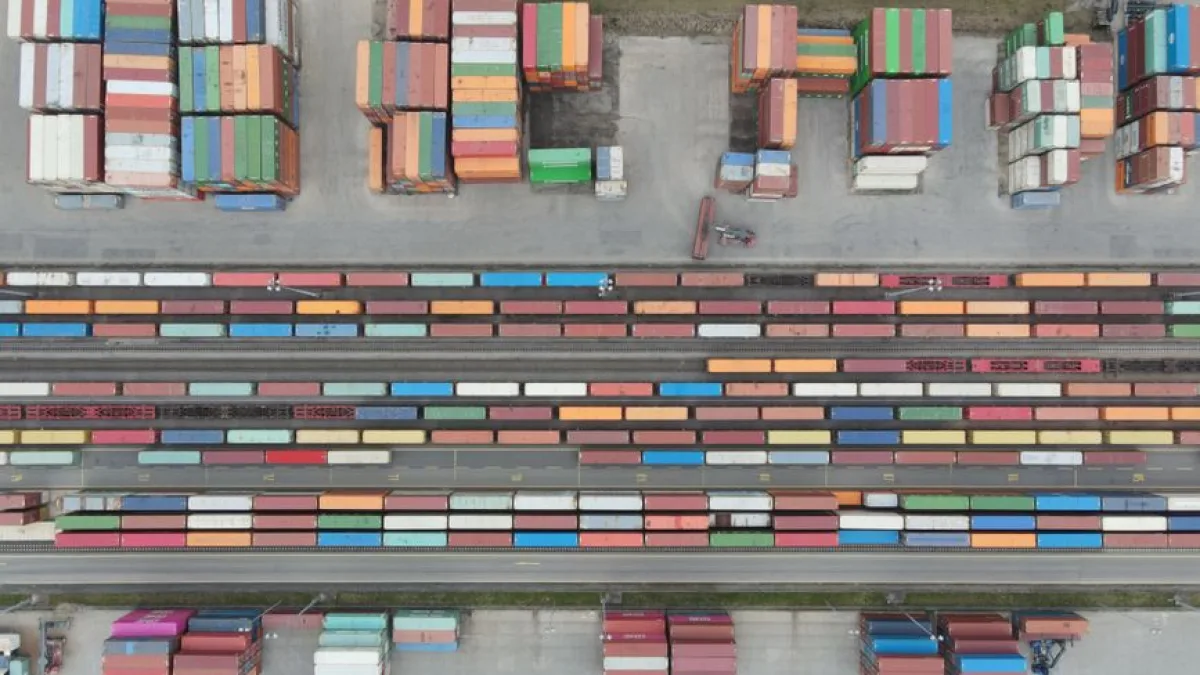
Adopting a customer portal is the most effective way to modernize your freight forwarding services and satisfy the growing demand for digital transparency. By optimizing tracking, documents, quoting, and communication, you build a scalable foundation for your firm. Start integrating these tools today to improve client retention and operational efficiency. MakeCargo provides the essential platform features needed to lead in this modern digital logistics era.