Why a Modern Customer Portal is Essential for Freight Forwarders
Monday, October 26 2026
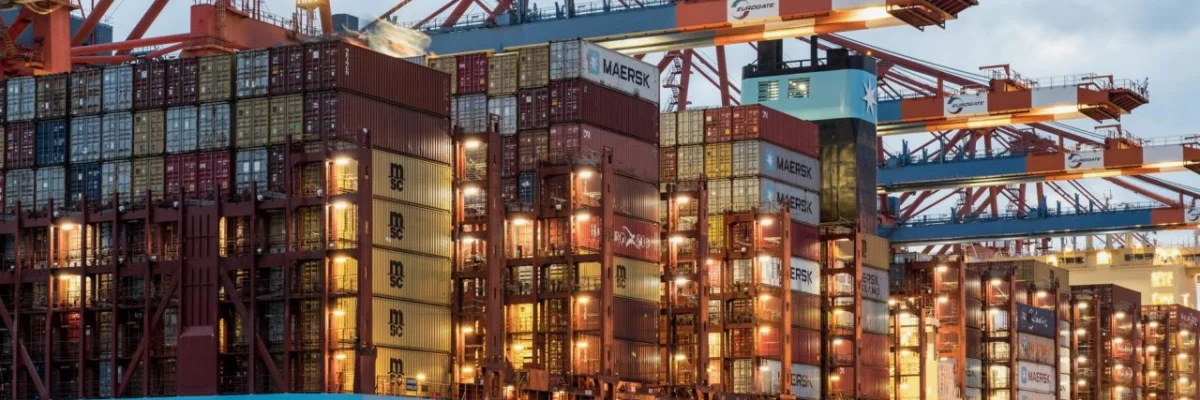
In the fast-paced world of global logistics, freight forwarders face increasing pressure to deliver transparency and speed. Relying on manual updates via email or phone calls no longer satisfies client expectations for real-time visibility. A dedicated customer portal transforms these interactions by centralizing data, allowing stakeholders to access shipping status, documents, and invoices whenever they need them. By adopting a digital-first approach through MakeCargo, logistics providers can reduce overhead, minimize human error, and build long-term trust. This article explores how a professional customer portal elevates your service offerings and secures your competitive advantage in an evolving global trade market.
Real-time Shipment Tracking Visibility

Digital visibility empowers clients to monitor their assets through every stage of the journey without waiting for manual updates. This level of transparency fosters confidence and allows shippers to plan their supply chain operations with greater precision and data-driven foresight.
- Live Status Updates: Clients can view the precise location and movement of their cargo in real-time, reducing the influx of status requests that currently occupy your internal staff time.
- Automatic Milestone Alerts: The system triggers notifications for key shipping events like departure and arrival, ensuring all stakeholders remain informed without the need for manual outreach efforts.
- Interactive Map Views: Visual tracking interfaces provide a high-level overview of global freight movements, helping your customers understand transit routes and potential bottlenecks affecting their specific consignments.
- Custom Dashboard Widgets: Users can configure their unique dashboard to display priority shipments, allowing for quick access to critical data points that matter most to their business operations.
By shifting from manual status updates to an automated tracking interface, your team gains significant operational hours. Customers appreciate the self-service capability, which reduces friction and clarifies the entire shipping cycle. When information is readily accessible, the administrative burden on your staff decreases drastically. This shift allows your employees to focus on solving complex logistical challenges rather than simply answering basic status inquiries.
Centralized Document Management Solutions

Managing global trade documentation requires precision and secure handling of sensitive files. A central portal ensures that invoices, bills of lading, and customs paperwork are stored in one accessible location, eliminating the risks associated with email attachments and fragmented filing systems.
- Secure Document Storage: All essential shipping files are housed in a protected cloud environment, ensuring that critical data is backed up and accessible to authorized users only.
- Easy Retrieval Access: Searching for historical records becomes effortless with advanced filtering options, allowing your clients to find past invoices or shipping documents in just seconds.
- Direct Document Uploads: Customers can submit required compliance paperwork directly into the portal, which streamlines the verification process and reduces delays caused by missing or incomplete documentation sets.
- Version Control Integrity: The system maintains clear records of file revisions, preventing confusion that often arises when multiple document versions are circulated via disparate email communication chains.
Consolidating document management into a single digital hub ensures compliance and improves team collaboration significantly. When documents are available in real-time, customs clearance processes accelerate and billing cycles shorten. Clients value the professional nature of a centralized archive, which acts as a permanent record of their business history with your firm. This structure establishes your brand as a reliable and organized logistics partner.
Automated Financial and Invoicing Tools

Financial transparency is a core pillar of a successful partnership between forwarders and their clients. A customer portal enables businesses to view, download, and track their financial obligations directly, providing clarity that accelerates payment cycles and improves overall cash flow management for everyone.
- Instant Invoice Access: Customers can view and download all outstanding or paid invoices immediately, which removes the need for your accounting team to resend files via email.
- Simplified Payment Integration: The portal offers secure gateways for online payments, allowing clients to settle their accounts quickly while reducing the administrative work required for bank reconciliations.
- Clear Cost Breakdowns: Detailed breakdowns of all freight charges and ancillary fees provide total transparency, helping your clients understand their logistics spend and reducing potential invoice disputes.
- Spending Trend Reports: Analytical tools within the portal help customers identify shipping trends and costs, enabling them to make better financial decisions regarding their future supply chain requirements.
Streamlining the financial process removes significant barriers to payment and improves the working relationship between you and your clients. By providing a clear view of all costs, you demonstrate accountability and foster a higher level of trust. This financial automation also frees up your accounts receivable department, allowing them to focus on collection strategies rather than administrative maintenance and invoice delivery tasks.
Enhanced Client Communication Channels

Communication is the backbone of logistics, yet traditional methods often lead to silos and information loss. A customer portal provides a structured environment for interaction, ensuring that every inquiry, change request, or specific instruction is logged, tracked, and handled promptly by the appropriate team member.
- Integrated Support Ticketing: Clients can submit questions regarding specific shipments directly through the portal, ensuring that every query is documented and assigned to the correct staff member.
- Historical Interaction Logs: Every conversation is stored alongside the relevant shipment record, providing a complete history that helps resolve issues faster and improves internal team alignment.
- Direct Messaging Capability: Secure, platform-based messaging replaces scattered email threads, keeping all relevant project stakeholders in the loop while ensuring that sensitive information remains protected from external threats.
- Priority Escalation Paths: The portal allows for clear escalation paths, ensuring that urgent logistics matters are flagged and addressed by leadership before they negatively impact the entire supply chain.
Effective communication transforms the client experience by reducing uncertainty and managing expectations. When customers have a dedicated channel for their logistics needs, they feel more in control of their cargo. This structured approach prevents information from falling through the cracks and ensures a high quality of service across the board. Providing such clarity is a key differentiator in a crowded logistics marketplace.
Conclusion

A customer portal is no longer an optional luxury but a fundamental necessity for competitive freight forwarders. By centralizing tracking, documentation, finance, and communication, you empower your clients while optimizing your own internal resources. Embrace the digital shift today to improve service quality, increase operational efficiency, and build stronger relationships. MakeCargo provides the tools necessary to deliver a modern, professional, and scalable customer experience.