Why a Modern Customer Portal is Essential for Freight Forwarding
Sunday, August 16 2026
In the fast-paced world of global logistics, freight forwarders are constantly seeking ways to differentiate their services and provide superior value to clients. The traditional methods of email updates and manual spreadsheet tracking are no longer sufficient to meet the expectations of modern shippers. A cloud-based customer portal acts as a central hub, enabling seamless communication and real-time data access. By implementing a digital gateway for your clients, you transform your operations from a manual service provider into a strategic partner. This shift enhances transparency, boosts client retention, and allows your team to focus on high-value logistics challenges.
Real-Time Shipment Visibility

Providing your clients with immediate access to their shipment status is the primary benefit of a dedicated customer portal. Instead of fielding constant status inquiries, your operations team can empower shippers to track their own goods autonomously using live digital updates.
- Instant Tracking Updates: Clients can view the exact location and movement status of their containers or air freight shipments without needing to send an email or make a phone call.
- Document Access Anywhere: Securely store and retrieve bills of lading, commercial invoices, and customs documents directly within the portal for easy download by your verified business partners anytime.
- Automated Milestone Alerts: Configure the system to send automatic notifications when a shipment reaches a specific terminal or clears customs, keeping your clients informed of every critical move.
- Detailed Reporting Dashboards: Present data in a visually intuitive format that allows clients to analyze their shipping history and identify trends to optimize their own supply chain performance.
Empowering clients with self-service capabilities significantly reduces the workload on your customer support staff. When shippers can find information independently, your team has more time to manage complex logistics issues and secure new business opportunities. By removing the friction of manual communication, you foster a more professional relationship built on transparency and efficiency, which ultimately drives long-term client satisfaction and loyalty throughout the year.
Enhanced Data Security Protocols

Cybersecurity remains a top priority for global logistics companies managing sensitive client data. A professional customer portal ensures that all communication and documentation are handled through encrypted channels, drastically reducing the risks associated with unsecured email attachments and manual data entry errors.
- Role Based Access: Define specific permissions for different user levels to ensure that only authorized personnel can view sensitive financial data or confidential shipping documents within the system.
- Encrypted File Transfers: Protect all uploaded documentation by using advanced encryption standards that prevent unauthorized access and keep client business secrets safe during every stage of transit.
- Audit Trail Logs: Maintain a comprehensive record of every user action and document change to ensure accountability and compliance with international trade regulations and insurance requirements.
- Multi Factor Authentication: Implement additional security layers that force users to verify their identity through secondary methods, providing peace of mind for clients dealing with high-value cargo.
Securing your client data is not just a technical requirement but a core component of your service reputation. By providing a secure environment, you demonstrate that your organization values professionalism and protects client interests at every step. This commitment to safety becomes a powerful selling point when bidding for new contracts or renewing partnerships with large enterprises that demand strict data governance standards.
Streamlined Client Communication

Moving away from cluttered email threads is essential for clear communication. A customer portal centralizes all messages, comments, and task requests in one place, ensuring that no important instructions are missed or lost in deep archives of project communication.
- Centralized Messaging Hub: Consolidate all inquiries and support tickets into one platform to ensure that your team provides consistent and prompt responses to every single client request.
- Unified Task Management: Assign specific actions or follow-up tasks to internal team members or clients within the portal to keep complex shipping projects moving forward without delay.
- Searchable Message History: Utilize advanced search functions to retrieve past instructions or project notes quickly, avoiding the frustration of scrolling through thousands of old company emails.
- Direct Feedback Loops: Encourage clients to provide immediate feedback on service quality, allowing you to monitor performance and adjust your operational strategy based on actual user needs.
When you unify all communications within a single interface, you eliminate the confusion often caused by fragmented email chains and verbal instructions. This professional approach to client management helps prevent errors and ensures that all stakeholders are aligned on project expectations. By streamlining how you interact with customers, you create a more efficient workflow that supports growth and builds a reputation for reliability.
Scaling Your Logistics Business
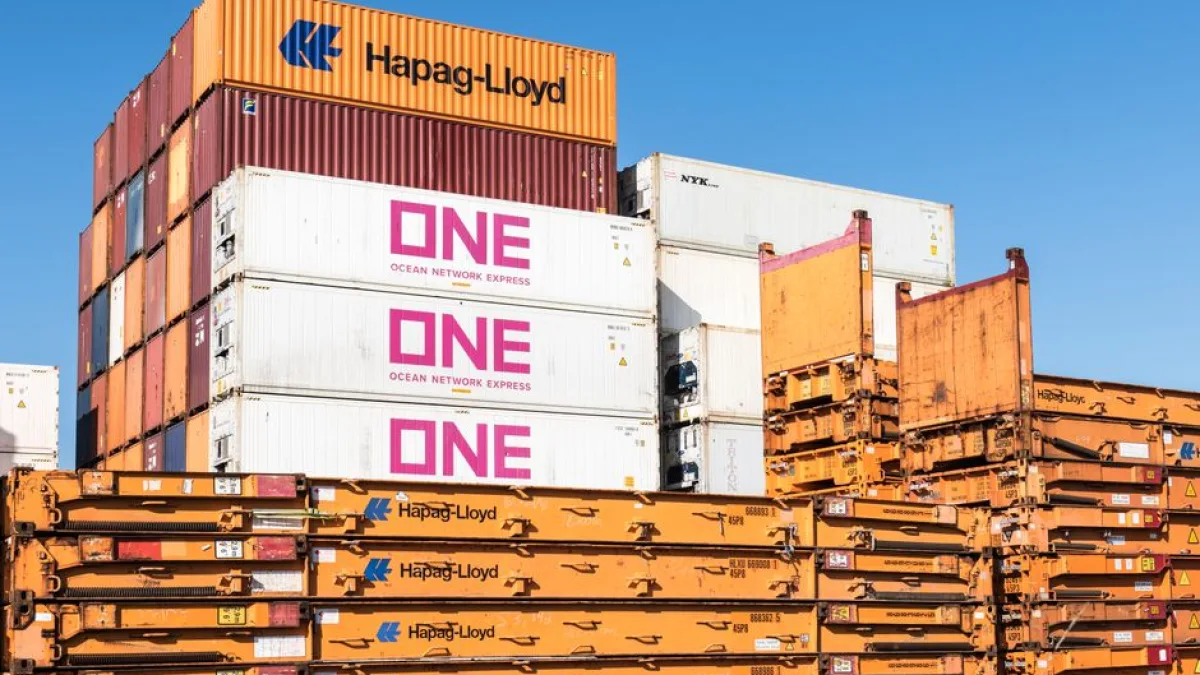
Technology scalability is critical for forwarders looking to grow their market share. A cloud-based portal allows you to manage increased shipping volumes without needing to hire a massive support team, as the software handles the routine tasks of documentation and tracking.
- Automated Workflow Integration: Connect your portal with existing accounting or ERP systems to automate billing and invoicing processes, which minimizes human error and speeds up your cash flow.
- Global Expansion Support: Deploy a system that supports multiple languages and time zones, allowing your business to manage international operations with ease and cater to a global.
- Flexible Feature Upgrades: Take advantage of a cloud architecture that receives frequent updates, ensuring that your business tools remain competitive with the latest industry features and standards.
- Custom Brand Experience: Customize the portal interface with your company logo and colors to provide a consistent brand experience that strengthens your identity as a premium forwarder.
Investing in a scalable customer portal is a long-term strategy for operational excellence and business growth. As you onboard more clients and handle more shipments, the automation provided by a cloud platform ensures that service quality never drops. By choosing the right software partner, you prepare your freight forwarding firm to adapt to the changing market landscape while maintaining strong client relationships everywhere.
Conclusion

Adopting a modern customer portal is a transformative move for any freight forwarding business aiming for growth and efficiency. By providing transparency, security, and improved communication, you deliver the high-quality experience that modern shippers demand. Start evaluating your digital infrastructure today to ensure you remain competitive in an evolving industry. Empower your team and your clients with the right tools for long-term success.