Modernizing Client Relations with a Freight Forwarding Customer Portal
Thursday, August 6 2026
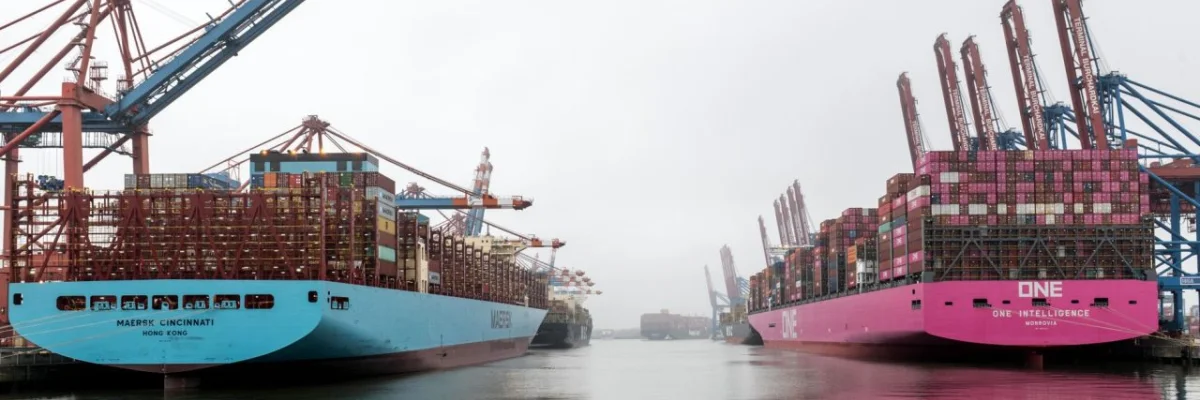
In the fast-paced world of logistics, freight forwarders are constantly looking for ways to improve client satisfaction while maintaining operational efficiency. The traditional manual approach to sharing shipment updates and document management is no longer sufficient to meet modern expectations. By implementing a dedicated customer portal, logistics providers can offer real-time transparency and self-service capabilities that empower shippers to manage their own data. This shift not only reduces the administrative burden on your staff but also builds trust through enhanced accessibility. Adopting this digital infrastructure is a vital step toward scaling your freight forwarding business in a competitive market.
Boosting Operational Efficiency Through Automation

Automating routine tasks through a portal allows your team to focus on high-value strategy rather than repetitive data entry. When clients have direct access to their own information, internal support requests decrease significantly, allowing your operations team to handle complex issues with greater focus.
- Real-time data access: Clients can view live shipment statuses and milestones without contacting your staff, which reduces unnecessary email traffic and phone inquiries for your busy operations department.
- Automated document retrieval: Digital access to bills of lading and commercial invoices ensures that your customers always have the latest paperwork ready for customs clearance or internal auditing purposes.
- Self-service quoting tools: Instant freight quoting features allow your clients to calculate shipping costs immediately, which accelerates the booking process and increases your conversion rate for new shipments.
- Centralized communication logs: Keeping every discussion within a secure portal environment prevents important details from being lost in crowded email threads while maintaining a clear history for all parties.
By shifting these administrative responsibilities to a self-service portal, your business gains significant efficiency. Your staff can finally step away from constant status update requests and redirect their energy toward solving unique logistical problems. This proactive transition to digital client management effectively lowers overhead costs, stabilizes your internal workflows, and ensures that your service quality remains consistently high regardless of current shipment volume.
Improving Transparency with Real-Time Tracking

Transparency is the foundation of client retention in the logistics industry. A customer portal provides a single source of truth where clients can monitor their cargo progress from origin to destination without any need for intermediary manual communication.
- Live GPS tracking: Integrated map interfaces allow shippers to visualize the precise location of their containers, providing peace of mind through constant visibility during the entire transit phase.
- Milestone notification alerts: Customizable alerts notify customers automatically when cargo reaches critical transit points, ensuring they are always prepared for arrivals or potential delays in the supply chain.
- Custom status dashboards: Tailored dashboard views provide specific insights relevant to each client, highlighting the KPIs and shipment data that matter most to their unique business operations.
- Exception management visibility: When delays or disruptions occur, a transparent portal allows you to update clients instantly, which helps manage expectations and improves trust during difficult incidents.
Providing this level of clarity transforms the client relationship from a reactive cycle to a proactive partnership. When shippers can see the status of their freight on their own schedule, they feel more confident in your services and less reliant on your manual intervention. This digital transparency is a major selling point that distinguishes your forwarder from competitors who still rely on outdated legacy systems.
Securing Document Management and Compliance

Handling sensitive shipping documentation requires high levels of security and organization to ensure compliance. A centralized portal provides a secure environment for uploading, storing, and accessing critical logistics files, keeping your operations organized and protected from potential data breaches.
- Encrypted file transfers: All uploaded documents are protected by advanced encryption protocols, ensuring that sensitive commercial data remains private and secure from unauthorized access during every transmission.
- Version control systems: Automated versioning prevents the confusion caused by multiple document iterations, ensuring that all parties are always working from the most accurate and recent version available.
- Regulatory compliance archives: Storing historical documentation in a structured digital format makes audit preparation effortless and ensures you meet all international trade regulations with ease and speed.
- Permission-based access levels: Granular user permissions ensure that only authorized personnel can view or download sensitive documents, providing an extra layer of security for your clients and your firm.
Security is not just a feature but a necessity for modern logistics firms. By centralizing your document management, you minimize the risk of human error and data loss associated with email attachments. This organized approach builds professional credibility and reassures your clients that their sensitive information is handled with the highest level of care, supporting long-term partnerships built on solid data integrity.
Scaling Your Business with Digital Infrastructure

A scalable freight portal is essential for companies looking to grow their market share without increasing headcount proportionally. As you add more clients, the portal grows with you, maintaining high service standards while you expand your global logistics network effectively.
- Seamless system integration: Modern portals integrate directly with your existing transportation management software, creating a unified flow of data that powers your entire end-to-end logistics operations chain.
- Multilingual portal interfaces: Offering the portal in different languages allows you to support international clients globally, removing communication barriers and expanding your reach into new and emerging markets.
- Branded client experience: Customizing the portal with your company branding reinforces your professional identity, making the software feel like a natural extension of your unique logistics service offering.
- User feedback loops: Built-in feedback tools allow you to gather client insights directly within the portal, helping you iterate on your services based on actual user needs and behaviors.
Investing in a scalable digital platform is the smartest decision for your long-term success. As the logistics landscape continues to move toward full digitization, your ability to provide a sophisticated portal will be the primary driver of growth. Embrace this technological shift today to ensure your freight forwarding business remains relevant, agile, and prepared to handle the demands of the modern global supply chain.
Conclusion

Adopting a robust customer portal is a transformative move for any freight forwarder aiming to stay competitive. By providing transparency, security, and automation, you create a superior experience that builds lasting client loyalty. Now is the time to evaluate your current processes and implement a digital solution that empowers your customers while driving significant growth for your organization. Start modernizing your operations today.