Modernizing Freight Forwarding through Advanced Digital Integrations
Friday, September 4 2026
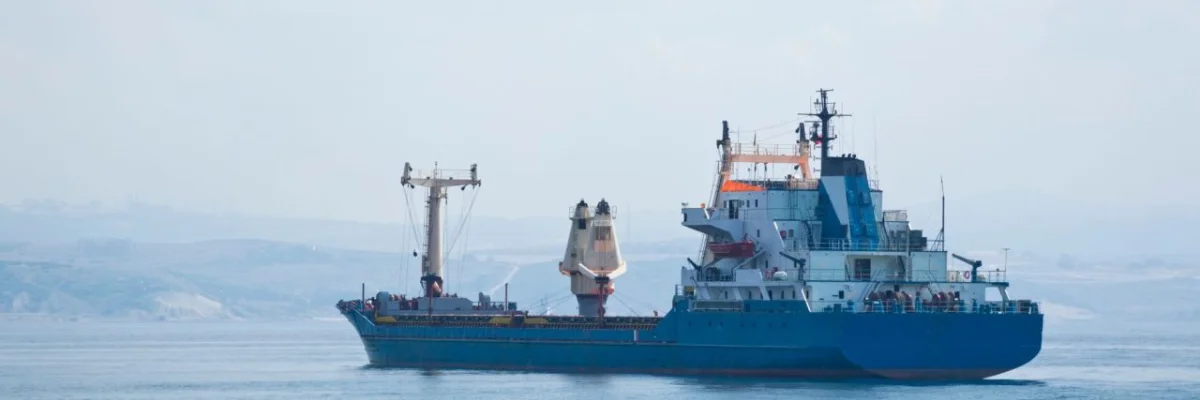
The global logistics landscape is shifting rapidly as manual processes fail to keep pace with modern customer demands for real-time visibility and speed. Freight forwarders are increasingly looking toward cloud-based software platforms to bridge the gap between fragmented legacy systems and digital efficiency. By integrating disparate tools into a unified ecosystem, companies can automate documentation, improve communication with global partners, and eliminate costly administrative errors. As competition intensifies, adopting an integrated technology stack is no longer an optional upgrade but a strategic necessity for forwarders who aim to maintain profitability while scaling their operations in a volatile global trade market.
Seamless Data Synchronization
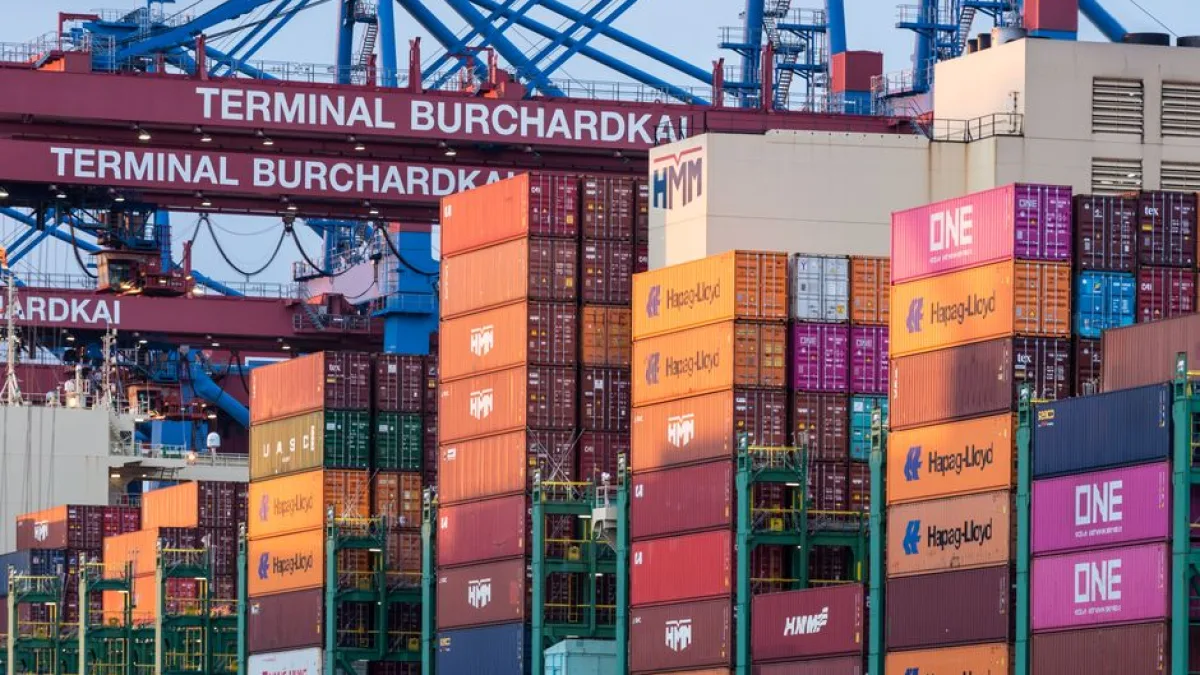
Integrating data across your supply chain ensures that information flows without friction between shipping lines, warehouses, and your back office software. This connectivity reduces manual entry errors and creates a single source of truth for your entire logistics team.
- Real-time inventory updates: Automatically sync your inventory levels across all warehouse locations to prevent stockouts and ensure that your customers have accurate data regarding their current shipment status at all times.
- Automated booking flows: Streamline the entire reservation process by connecting your internal platform directly with carrier portals to confirm space and schedule departures without human intervention or manual email exchanges.
- Document management automation: Centralize all shipping documents within the cloud to allow stakeholders instant access to customs forms, bills of lading, and commercial invoices from any global location today.
- Unified partner communication: Enable instant messaging and status updates between carriers and agents to resolve disputes quickly while keeping all relevant parties informed on the status of cargo.
Achieving seamless data synchronization requires a robust API framework that connects your existing tools. Once established, this connectivity eliminates the need for redundant data entry tasks that slow down your operations. Your staff will spend less time chasing information through endless email chains and more time managing high-value client relationships. This shift promotes a more agile work environment that responds better to unexpected supply chain disruptions.
Enhanced Visibility Tools
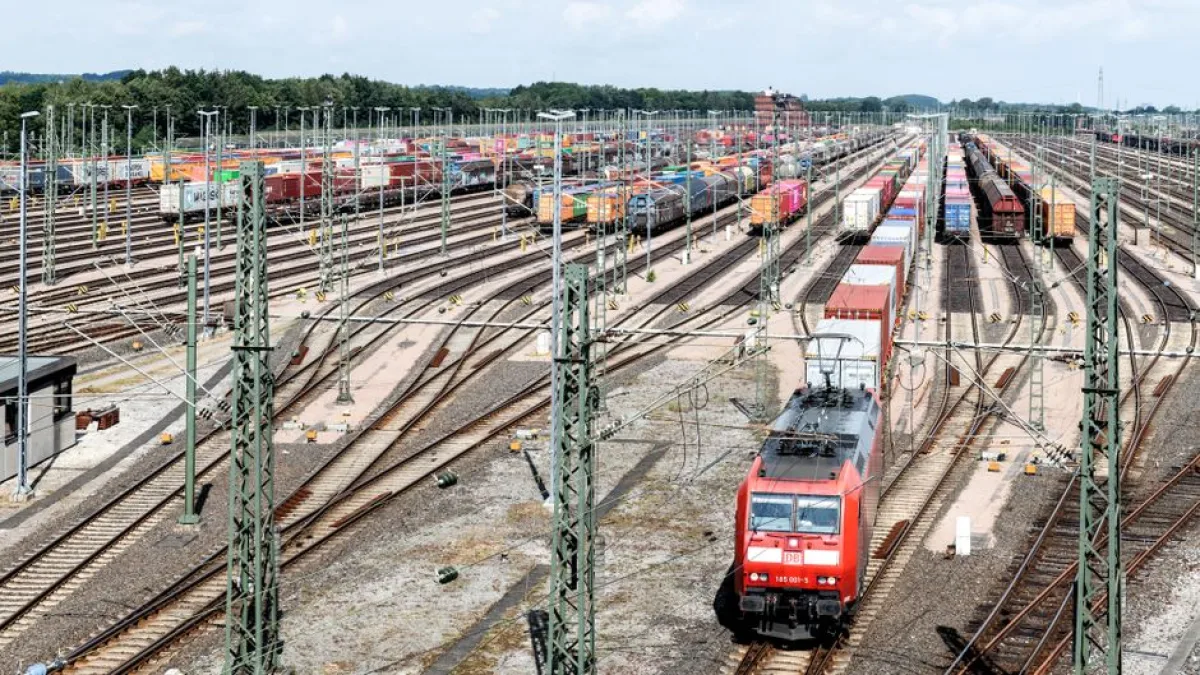
Providing your clients with deep visibility into their freight movements builds trust and differentiates your services in a crowded market. Advanced software integrations allow you to pull live tracking data directly from carrier APIs into your customer portal.
- Live tracking feeds: Integrate live GPS and vessel monitoring data into your platform so clients can see the precise location of their shipments across global transit routes daily.
- Automated status notifications: Send proactive updates to stakeholders via email or SMS whenever a shipment reaches a milestone or faces an unexpected delay during its maritime journey.
- Predictive delay analytics: Utilize historical and live data to anticipate potential transit bottlenecks before they occur, allowing your team to proactively suggest alternative routes to your clients.
- Interactive client dashboards: Offer customized reporting views that allow shippers to filter their active cargo by destination, carrier, or current status for better internal planning and management.
Visibility serves as the backbone of modern freight forwarding because it transforms passive tracking into actionable intelligence. By giving your clients the power to view their supply chain in real time, you reduce the volume of status-check calls hitting your support desk. This operational efficiency allows your team to focus on resolving genuine exceptions rather than answering repetitive questions about cargo locations and estimated times.
API-Driven Operational Speed

Building a custom tech stack through APIs allows freight forwarders to select the best tools for their specific needs while maintaining a cohesive workflow. This modular approach ensures that your software ecosystem remains flexible as your business continues growing.
- Custom system connectivity: Link your accounting software and CRM with your freight platform to ensure that financial data matches the operational reality of every shipped container.
- Scalable infrastructure growth: Adopt new digital tools as your operational volume increases without needing to replace your entire technology stack during critical seasonal peak demand periods.
- Standardized data formats: Ensure that information shared between your warehouse and carriers follows industry standards to prevent miscommunication and improve the accuracy of customs declarations worldwide.
- Secure cloud access: Provide your remote teams with encrypted access to live shipping data from any device, ensuring that your business operates efficiently regardless of location.
The transition to an API-driven environment is essential for forwarders who want to avoid the limitations of closed, proprietary systems. By leveraging open architecture, you gain the freedom to optimize your processes according to your unique business logic. This level of flexibility empowers your team to work faster and more effectively, ultimately leading to higher customer satisfaction and increased revenue through improved service delivery.
Security and Compliance Standards

Maintaining high security standards is critical when handling sensitive trade data and customer financial information. Modern software platforms prioritize data integrity through cloud-based protections and rigorous compliance frameworks that exceed traditional paper-based document storage and management systems.
- Encrypted cloud storage: Protect your sensitive trade documentation with advanced encryption protocols that ensure your records remain safe from unauthorized access during storage or data transfer processes.
- Automated regulatory updates: Receive instant software updates that reflect the latest changes in international trade laws, ensuring your business remains compliant with global shipping regulations.
- Role-based access control: Manage user permissions strictly so that only authorized personnel can view or edit sensitive shipment details and customer billing information within your system.
- Audit trail tracking: Maintain a complete history of every change made to your shipping documentation to ensure full accountability and transparency during internal or external audits.
Investing in secure technology protects your company from the rising threat of data breaches and cyber attacks targeting the logistics industry. By utilizing platforms that prioritize compliance, you minimize legal risks while providing your customers with the assurance that their data is handled with the highest level of care. This focus on security strengthens your professional reputation and secures your long-term success.
Conclusion

Adopting modern technology is the primary driver for freight forwarders looking to thrive in the digital age. By integrating your operations, enhancing client visibility, and prioritizing data security, you create a resilient business model ready for future challenges. Start your digital transformation today to improve operational efficiency and provide superior service levels that set your company apart in the competitive global market.