Modernizing Freight Forwarding Operations in 2024
Tuesday, October 27 2026
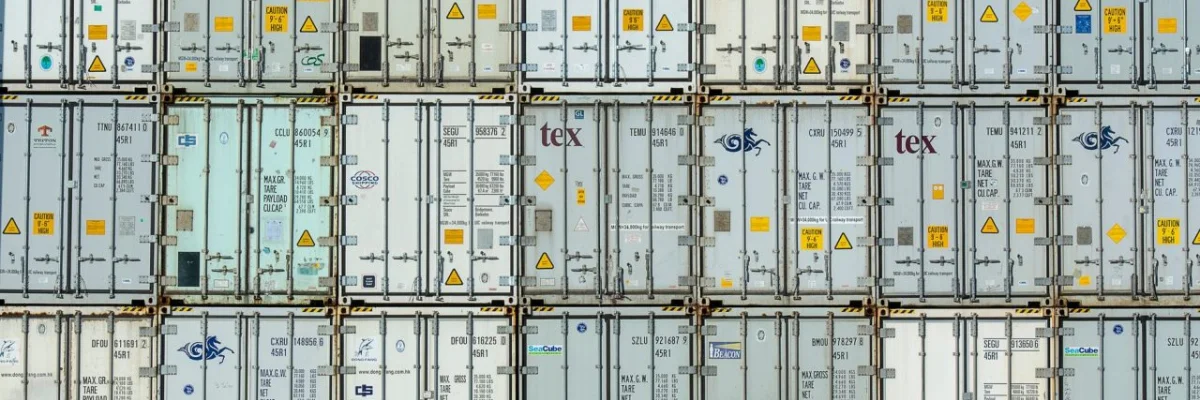
The global logistics landscape is undergoing a massive transformation driven by rapid digitization and shifting consumer demands. Freight forwarders are currently facing intense pressure to optimize their internal workflows while maintaining transparency across complex supply chains. As manual data entry becomes a relic of the past, early adopters of cloud-based platforms are gaining a distinct competitive advantage. Success in this evolving environment requires a commitment to technological integration and a proactive approach toward managing global trade volatility, ensuring that cargo moves seamlessly from origin to destination without unnecessary delays or communication gaps.
Optimizing Logistics Data Management
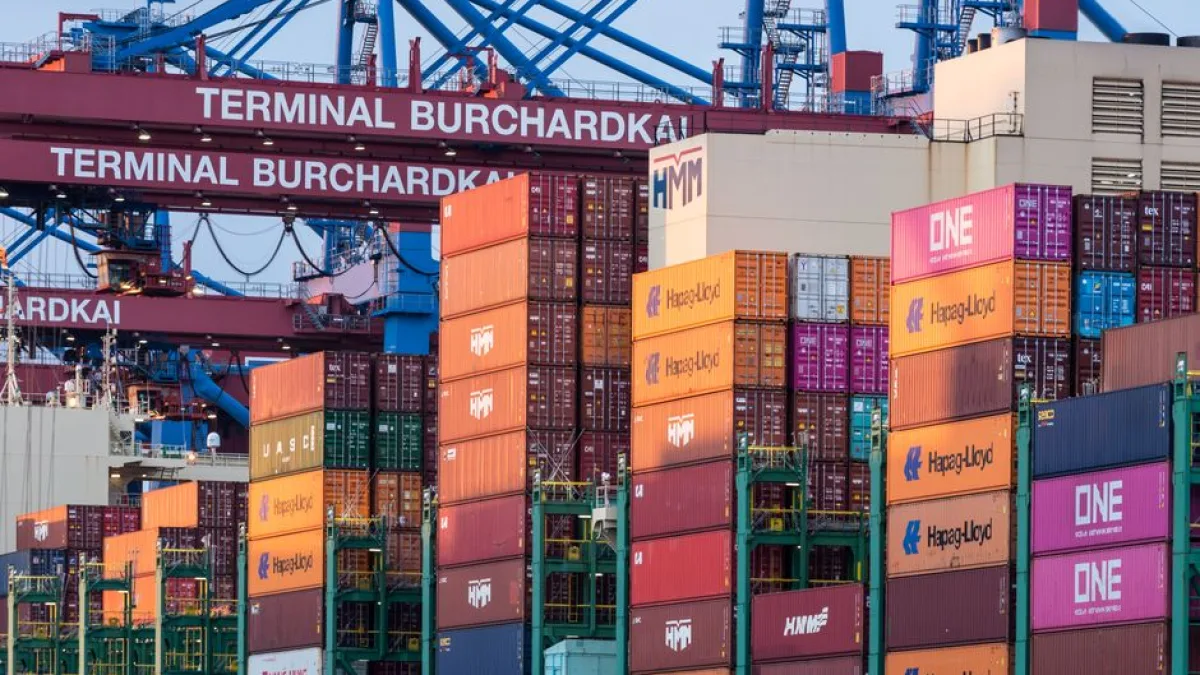
Data management remains the backbone of modern freight forwarding, acting as the foundation for every shipment movement. By centralizing information in the cloud, teams can eliminate silos, improve reporting accuracy, and provide stakeholders with real-time visibility into their global cargo flows.
- Cloud storage benefits: Moving operational data to secure cloud servers ensures that your team accesses consistent information from any location without needing complex on-site physical network hardware installations.
- Automated data entry: Utilizing optical character recognition tools allows your team to extract critical document information instantly, which significantly reduces human error during repetitive manual typing tasks daily.
- Centralized communication hubs: Bringing all stakeholder correspondence into a single platform prevents critical information from being lost in crowded email inboxes and speeds up the entire resolution process.
- Real-time reporting tools: Advanced analytics modules provide deep insights into shipment performance, helping managers identify bottlenecks and optimize route choices based on historical data patterns and trends.
Implementing a unified digital infrastructure transforms how companies handle daily tasks by providing a single source of truth for all documentation. When teams move away from disconnected spreadsheets, they uncover operational efficiencies that were previously hidden by manual errors. This transition not only enhances client trust through transparency but also prepares the organization to scale quickly as new shipment volume demands arise in future quarters.
Strengthening Supply Chain Visibility

Visibility is no longer just a luxury for elite shippers but a baseline expectation for every client in the industry today. Advanced tracking systems provide precise updates throughout the transit journey, allowing forwarders to manage exceptions before they escalate into costly problems.
- Live GPS tracking: Integrating satellite tracking data into your customer portal enables clients to view the exact location of their goods throughout the ocean or air journey.
- Proactive exception alerts: Automated notification systems warn your operational staff immediately when a delay occurs, allowing them to adjust plans before customers become concerned about their cargo.
- Document transparency tools: Allowing clients to download their own bills of lading and commercial invoices directly from a portal saves time and reduces administrative phone inquiries.
- Integration with carriers: Connecting your software directly to global carrier APIs ensures that tracking information is updated automatically without needing manual status checks or constant updates.
Providing clients with a clear window into their cargo movement builds lasting relationships that are difficult to disrupt. By reducing the mystery surrounding international shipping, forwarders demonstrate professionalism and reliability that sets them apart from less tech-savvy competitors. These tools prove that your company prioritizes customer success by offering clarity and responsiveness at every single stage of the international supply chain.
Automating Financial Workflow Processes

Financial management is often the most time-consuming aspect of freight forwarding, yet it is ripe for automation. By integrating invoicing and payment processing directly into your operations software, you can drastically reduce the time spent chasing outstanding accounts receivable balances.
- Automated billing cycles: Systems can automatically generate invoices as soon as milestones are reached, ensuring that your company gets paid faster while reducing manual billing mistakes periodically.
- Seamless payment integration: Offering digital payment methods through your platform allows customers to clear their debts instantly, which improves your overall cash flow and financial health.
- Currency management tools: Handling multi-currency invoicing within a single system removes the stress of manually calculating conversion rates or managing complex financial documents for global shipments.
- Auditing made easy: Maintaining digital audit trails for every transaction simplifies internal reviews and ensures full compliance with international financial reporting standards for your global business.
Automating your financial workflows allows your accounting staff to focus on strategy rather than repetitive data entry tasks. This shift minimizes the risk of human error in sensitive areas such as billing and tax reporting. A smooth payment process improves your company reputation with clients, making it easier to retain business and secure long-term partnerships in a competitive international market environment.
Scaling Operations Through Integration

As your company grows, the ability to connect different software tools is essential for maintaining a unified workflow. Ecosystem integration allows your freight forwarding platform to communicate seamlessly with accounting, CRM, and warehouse management systems to maximize productivity.
- Custom API connections: Building bridges between your custom software and external tools ensures that data flows effortlessly without needing manual intervention from your specialized technical personnel.
- Scalability through cloud: Cloud infrastructure allows you to expand your service offerings or office locations without needing massive investments in local server upgrades or maintenance.
- Enhanced team collaboration: Connected platforms ensure that sales, operations, and accounting departments are looking at the exact same data, which prevents internal misunderstandings during complex projects.
- Security and compliance: Choosing integrated platforms with high-level encryption keeps sensitive client data safe from cyber threats while meeting international data privacy regulations for global companies.
Building an integrated tech stack is the smartest way to prepare your business for future growth. By connecting your essential tools, you remove barriers to efficiency and create a responsive environment that adapts to change. This architectural flexibility is exactly what modern forwarders need to stay relevant, as it provides the agility required to handle increased volume while maintaining high service standards.
Conclusion

Modernizing your freight forwarding operations is an ongoing journey that requires both technological investment and a shift in internal culture. By focusing on data, visibility, financial automation, and platform integration, you create a robust business model that is ready for any industry challenge. Start reviewing your current processes today to identify which manual bottlenecks you can eliminate to drive future efficiency and success.