Modernizing Freight Forwarding through Advanced Digital Integrations
Saturday, September 12 2026

The global logistics industry is undergoing a massive transformation as digital adoption shifts from a competitive advantage to an absolute operational necessity. Forwarders are increasingly moving away from disconnected legacy systems toward unified cloud platforms that provide real-time visibility across complex supply chains. By integrating diverse technologies, logistics companies can eliminate manual data entry errors, accelerate documentation processing, and enhance communication with carriers and clients alike. Embracing these technological advancements allows freight professionals to scale their operations efficiently while maintaining high service standards in an era where speed and transparency are expected by every stakeholder involved in the process.
The Power of API Connectivity

Application Programming Interfaces act as the backbone for modern logistics, enabling seamless data exchange between different software environments. This technical architecture bridges the gap between carriers and forwarders, ensuring that information flows instantly without the constant need for manual intervention.
- Real-time data flow: Automated API connections ensure that shipment tracking updates are pushed directly into your platform without any manual input or checking of carrier websites for status changes.
- Reduced processing time: By automating the transfer of critical shipping documents, your team can focus on complex logistics problem solving rather than administrative tasks that consume valuable company hours.
- Improved data accuracy: Removing the human element from repetitive data entry tasks minimizes the risk of costly typos and ensures that your client records remain perfectly synchronized throughout.
- Scalable infrastructure growth: Digital connectivity allows your business to add new carrier partners to your network effortlessly, supporting rapid organizational expansion without needing proportional increases in administrative staff levels.
Adopting robust API connectivity creates a future-proof foundation for your freight forwarding firm. By automating data synchronization, you significantly lower operational overhead while increasing the overall reliability of your services. Your team gains more time to dedicate to high-value client relationships, fostering long-term partnerships that drive sustainable revenue growth and improved market positioning in a highly competitive and fast-paced global logistics landscape.
Enhancing Operational Visibility

Comprehensive visibility tools give freight forwarders total oversight of cargo movements across multiple geographic regions. By centralizing disparate tracking streams into one intuitive dashboard, managers can identify potential bottlenecks before they escalate into expensive delays that affect the bottom line.
- Proactive delay detection: Intelligent monitoring alerts your staff to shipment disruptions early, allowing for quick rerouting and clear communication with your customers about their cargo status updates.
- Customized client dashboards: Providing your customers with branded tracking portals builds immense trust, as they can monitor their shipments independently without needing to call your office frequently.
- End-to-end transparency: Detailed logs provide a complete history of every shipment event, which is essential for audit trails and resolving potential disputes with global transport partners.
- Data driven decisions: Analytical reports generated from your visibility tools reveal performance trends among your carriers, helping you choose the most reliable partners for your future shipments.
Visibility is not just a luxury but a fundamental requirement for modern freight professionals. When you provide clear, real-time insights, you differentiate your brand from competitors who still rely on outdated manual reporting methods. Investing in technology that brings total clarity to your operations will ultimately lead to higher client retention rates and a stronger reputation as a reliable, transparent logistics provider.
Automating Documentation Processes

Documentation management often represents the most time-consuming aspect of freight forwarding. Transitioning to automated systems streamlines the creation, validation, and storage of essential bills of lading, invoices, and customs documents through standardized digital workflows and templates.
- Intelligent document parsing: Advanced software tools extract key information from incoming emails and PDFs automatically, which saves hours of manual work and prevents common data entry errors.
- Secure document storage: Cloud-based repositories ensure that every version of your shipping paperwork is saved securely, making it easy to retrieve files whenever they are needed.
- Seamless compliance integration: Automated systems ensure that all your generated forms meet current international trade regulations, reducing the risk of customs holds or costly documentation fines.
- Standardized workflow templates: Utilizing consistent digital templates across your organization ensures professional document quality while speeding up the preparation process for even the most complex international shipments.
Automation transforms your documentation process into a high-speed engine for productivity. By removing tedious manual tasks, your employees avoid burnout and focus their energy on strategic initiatives that improve service delivery. This transition creates a leaner, more efficient workplace where accuracy and speed define your daily operations, ultimately allowing your business to handle larger shipment volumes without requiring additional headcount or resources.
Optimizing Carrier Management
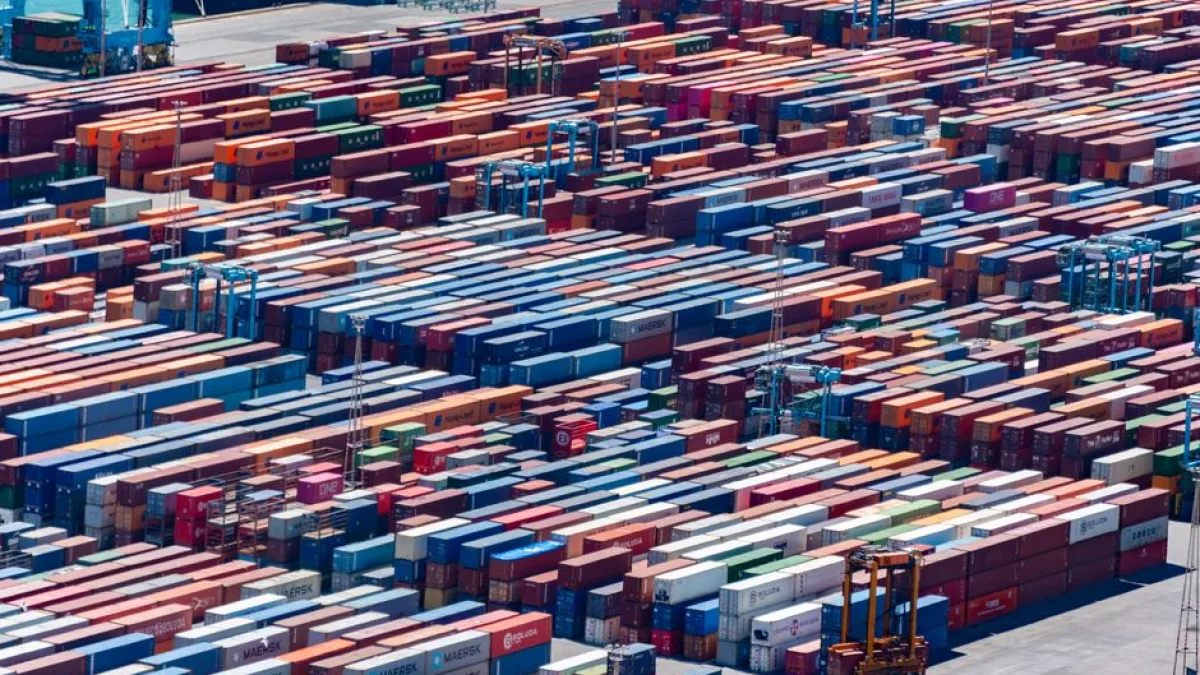
Managing multiple carrier relationships requires a sophisticated approach to data tracking and performance analysis. Modern software integrations help forwarders evaluate carrier reliability, pricing structures, and transit times, ensuring that every shipment is booked with the best partner for that specific trade lane.
- Comparison engine tools: Compare quotes from various carriers in one window, allowing you to select the most cost-effective and efficient shipping routes for every single cargo order.
- Performance ranking metrics: Track and grade your carrier partners based on their punctuality and communication to ensure you are only working with the most reliable transport providers.
- Streamlined booking workflows: Send digital booking requests directly to your selected carriers through integrated platforms, cutting down on back and forth emails and reducing total lead times.
- Contract management features: Keep all your negotiated carrier rates organized in one digital location, making it simple to verify invoices and avoid overcharging from your shipping partners.
Effective carrier management is the secret to maintaining healthy profit margins and happy clients. When you use integrated software to handle the complexities of carrier negotiations and selection, you gain a massive advantage over competitors. This strategic use of technology ensures that your operations remain resilient, cost-effective, and capable of delivering excellent results, regardless of fluctuations in the global freight shipping market.
Conclusion

Integrating advanced technology into your freight forwarding workflows is essential for sustained growth. By focusing on API connectivity, operational visibility, documentation automation, and carrier management, you position your business at the forefront of the industry. Start optimizing your digital infrastructure today to experience improved efficiency and higher client satisfaction. Reach out to MakeCargo to discover how our platform helps forwarders scale their operations effectively.