Modernizing Freight Forwarding through Digital Integration
Friday, August 28 2026
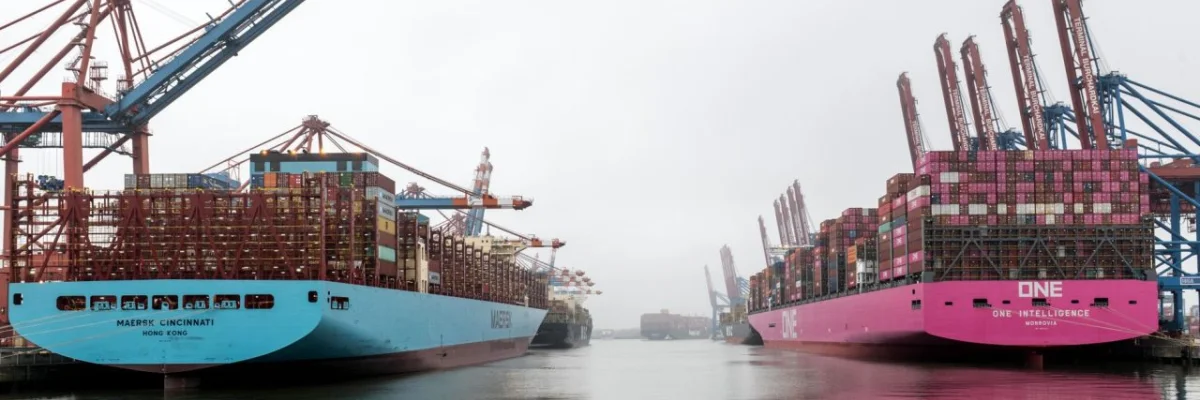
The global logistics landscape is undergoing a massive shift as digital transformation moves from a competitive advantage to a fundamental requirement for operational survival. Freight forwarders today manage complex supply chains that demand real-time visibility, automated documentation, and seamless communication across borders. By adopting cloud-based platforms like MakeCargo, businesses can eliminate legacy silos, reduce manual errors, and scale their services to meet the rising expectations of modern shippers. Embracing this technological evolution allows forwarders to focus on high-value client relationships while letting software handle the repetitive tasks that historically hindered growth and slowed down international trade efficiency.
Automating Manual Documentation Processes

The digitization of shipping documents transforms how logistics providers handle repetitive tasks. Automating the ingestion of data from invoices, bills of lading, and packing lists drastically reduces the time spent on manual entry and minimizes the risk of costly human errors.
- Data Extraction Speed: Intelligent document processing systems scan and extract critical shipment information in seconds, allowing your team to allocate their energy toward strategic client management rather than repetitive typing tasks.
- Reduced Error Rates: Digital validation protocols ensure that all input data matches regulatory requirements, effectively eliminating the common discrepancies that frequently lead to customs delays and expensive administrative rework for your company.
- Seamless File Storage: Centralized cloud repositories provide instant access to historical documents, ensuring that every piece of shipment data remains organized, searchable, and compliant with international shipping regulations for your business.
- Workflow Automation Triggers: Automatic alerts notify relevant stakeholders immediately upon document uploads, keeping your entire supply chain network updated without the need for constant manual status checks or email communication threads.
By shifting away from traditional paper-based workflows, your organization can significantly accelerate its processing timelines. This transition not only enhances accuracy but also provides a professional interface that your clients expect from a modern logistics partner. Investing in automation today creates a robust foundation for scalability, allowing your operations to handle higher volumes without the necessity of increasing your headcount proportionally.
Enhancing Real-time Shipment Visibility
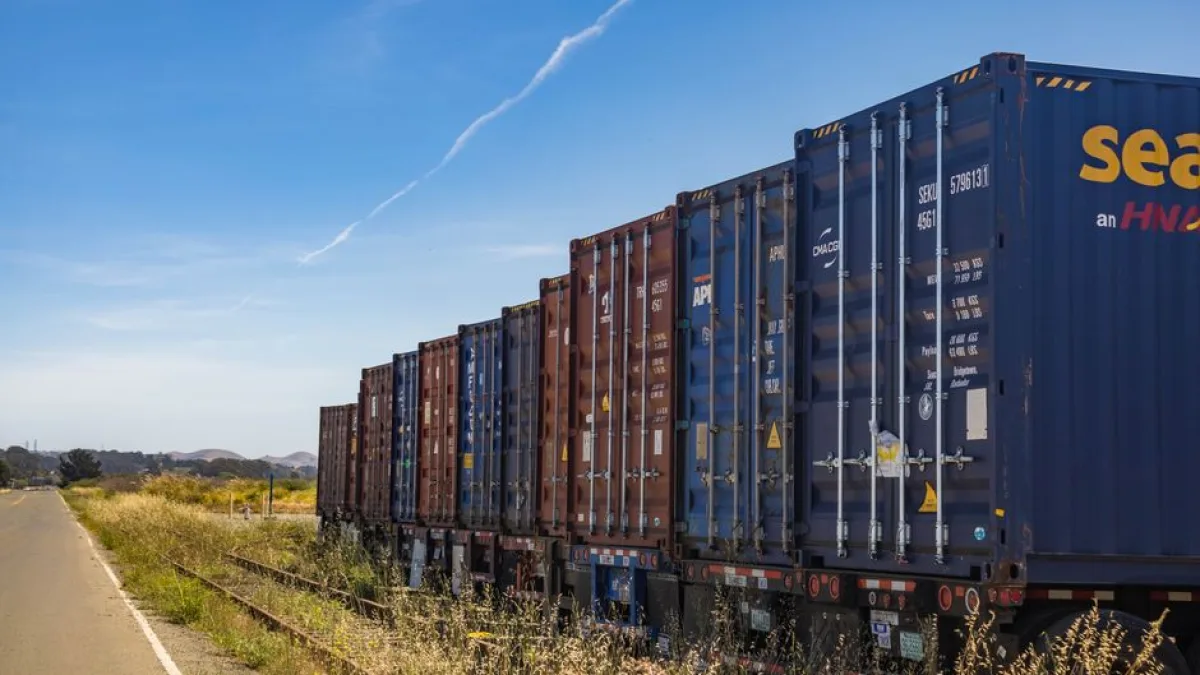
Transparency is the most valuable currency in modern freight forwarding. Shippers demand instant visibility into their cargo locations, forcing providers to integrate sophisticated tracking technologies that bridge the gap between physical movement and digital information updates for all global stakeholders.
- Live Tracking Integration: Connecting your platform directly with carrier APIs provides instantaneous status updates, ensuring that you and your clients always possess the most accurate information regarding every shipment movement.
- Exception Management Alerts: Proactive notifications identify potential delays before they escalate, enabling your team to resolve issues rapidly and maintain high service levels despite unexpected disruptions in the supply chain.
- Carrier Data Consolidation: Bringing multiple carrier inputs into a single interface simplifies the monitoring process, removing the need for logging into separate portals to track different legs of a journey.
- Customer Portal Access: Providing shippers with a dedicated portal for monitoring their own freight builds immense trust while reducing the volume of incoming status inquiries for your customer support staff.
Achieving total visibility creates a powerful competitive advantage in a crowded market. When shippers can rely on your platform for precise, real-time data, they are far more likely to remain loyal long-term partners. This level of transparency effectively turns your logistics services into a critical asset for your customers, fostering deeper professional relationships and establishing your brand as a reliable industry leader.
Streamlining Financial Workflows

Financial reconciliation remains one of the most complex aspects of freight forwarding. Integrating accounting tools directly with your logistics platform ensures that invoicing, credit notes, and vendor payments are handled accurately and in alignment with actual shipment milestones completed.
- Automated Invoice Creation: Software automatically generates professional invoices based on the specific services rendered during the shipment lifecycle, ensuring that your billing is always precise, timely, and compliant with contracts.
- Instant Currency Conversion: Automated systems handle complex multi-currency transactions with ease, protecting your margins against sudden fluctuations in exchange rates while simplifying the payment process for your international client base.
- Vendor Reconciliation Efficiency: Direct integration with accounting software enables rapid matching of incoming vendor bills against existing shipment records, identifying discrepancies immediately to prevent overpayment and ensure healthy cash flow.
- Clear Payment Tracking: Dynamic dashboards provide an instant overview of your outstanding receivables and pending payables, allowing management to make informed decisions regarding financial health and overall business liquidity.
Optimizing your financial operations minimizes the overhead associated with back-office tasks. When invoicing processes are fully automated and synchronized with logistics events, your team experiences fewer billing disputes and shorter payment cycles. This financial agility is essential for growth, as it provides the necessary capital and time to reinvest in other areas of your logistics enterprise, such as marketing or expansion.
Securing Data in the Cloud

As logistics providers migrate sensitive cargo data to digital platforms, cybersecurity becomes a top priority. Protecting proprietary business intelligence and client information requires robust cloud infrastructure that offers encryption, regular backups, and strict access controls to ensure total operational integrity.
- Advanced Data Encryption: Industry-standard encryption protocols protect all stored information from unauthorized access, ensuring that client data remains confidential during both transit and storage within your cloud-based management environment.
- Automated Cloud Backups: Regular and automated system backups guarantee that your critical shipment data is never lost, providing your business with a reliable disaster recovery plan for unforeseen technical failures.
- Controlled User Permissions: Granular access settings allow you to define exactly what information each employee can view or modify, minimizing the risk of internal data leaks while maintaining organizational efficiency.
- Compliance Monitoring Tools: Built-in features help your team maintain adherence to global data protection regulations, keeping your firm safe from potential legal penalties and preserving your reputation for operational excellence.
Security is not just a technical requirement but a core pillar of your service quality. Clients are increasingly selective about the technology partners they trust with their logistics information. By maintaining a secure digital environment, you reassure stakeholders that their data is protected by the highest standards. This commitment to safety significantly lowers operational risks and strengthens your overall market position.
Conclusion

Integrating technology into your daily freight operations is no longer optional for those aiming to succeed in a modern, fast-paced logistics environment. By automating documentation, enhancing visibility, streamlining financial processes, and prioritizing data security, you build a resilient foundation for your business. Start your transition today with MakeCargo to simplify your complex workflows and deliver superior value to your global shipping clients.