Modernizing Freight Forwarding through Seamless Software Integrations
Saturday, October 31 2026
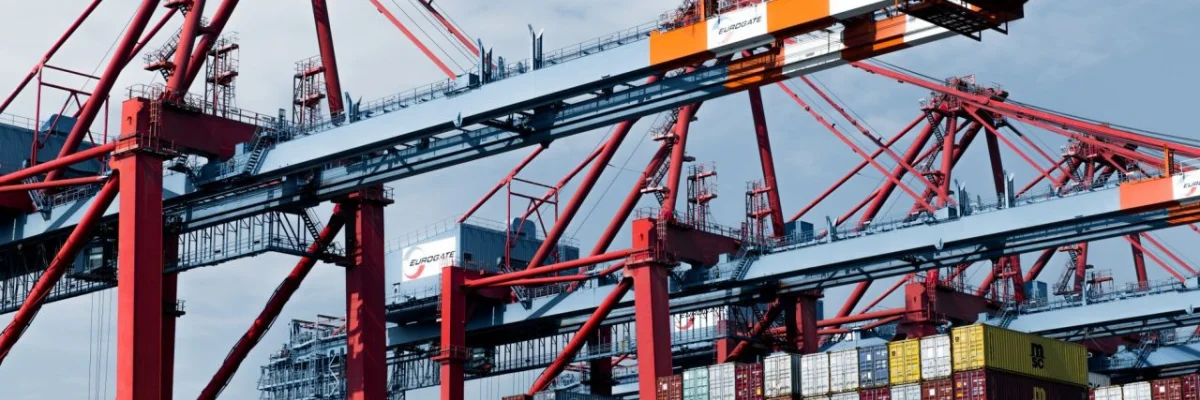
The global logistics landscape is undergoing a massive digital transformation that demands agility and real-time connectivity from every freight forwarder. As client expectations for transparency and speed continue to rise, legacy systems are proving insufficient to manage the complexities of modern supply chains. By integrating cloud-based software into your daily operations, your firm can move beyond manual data entry and fragmented communication. This evolution is not merely about staying competitive; it is about building a resilient foundation that allows your team to scale operations, reduce human error, and deliver exceptional value to customers across every international shipping lane.
The Power of Centralized Data

A centralized data hub acts as the beating heart of your forwarding business, connecting diverse operational modules into a single source of truth. By consolidating information, you eliminate information silos that historically hindered decision-making and slowed down response times for international shippers.
- Enhanced Data Accuracy: Automating the flow of information between platforms ensures that critical shipment details remain consistent across documents and reduces the risk of costly manual entry mistakes.
- Real-time Visibility: Accessing live status updates for every cargo move allows your team to provide proactive notifications to clients before they even think to ask questions.
- Improved Operational Speed: Centralized platforms allow staff to access documents and shipment histories instantly, cutting down search times significantly and boosting overall office productivity levels daily.
- Streamlined Reporting: Generating comprehensive performance reports becomes a simple task when all your shipment data resides within one unified system designed for rapid analysis and sharing.
Adopting a centralized approach transforms how your staff interacts with information on a day-to-day basis. By removing the need to toggle between disconnected tools, your team gains precious time to focus on complex problem solving. This shift fosters a culture of efficiency where data becomes a strategic asset rather than a administrative burden, ultimately leading to higher profit margins and much happier logistics clients.
Connecting Carrier Networks Digitally
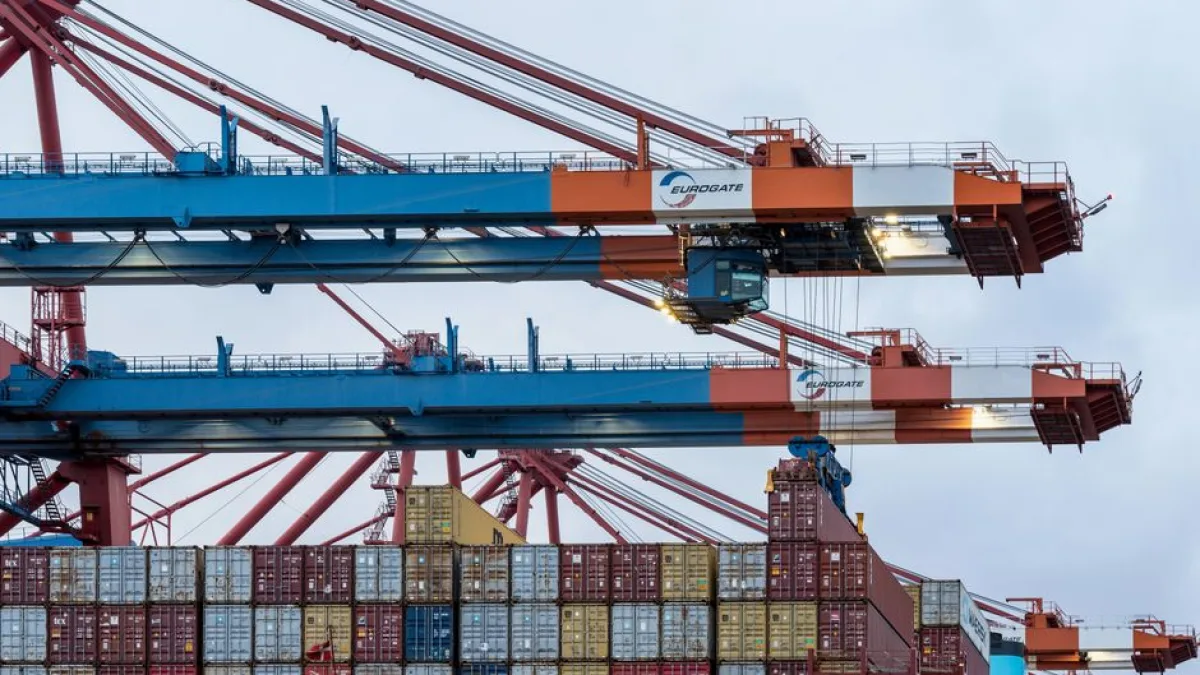
Integrating directly with carrier systems allows forwarders to obtain instant quotes and bookings while minimizing the friction often associated with legacy electronic data exchange methods. This connection enables a faster bridge between your operations team and the global shipping carriers.
- Instant Rate Access: Directly importing carrier pricing tables into your software enables immediate quote generation, ensuring your team always offers the most competitive rates available currently.
- Automated Booking Flows: Submitting shipping instructions directly through your integrated platform saves hours of manual work and ensures that carrier systems receive clean and accurate information.
- Dynamic Schedule Tracking: Receiving automatic updates on vessel movements keeps your team informed of delays or schedule changes without requiring constant manual checking on carrier websites.
- Direct Document Exchange: Seamlessly receiving bills of lading and arrival notices within your software environment simplifies the documentation process and ensures faster billing for your customers.
Establishing digital links with your carrier network is essential for maintaining a competitive edge in a crowded marketplace. When you remove manual gatekeeping, you allow your operations team to execute bookings with precision and reliability. This high level of connectivity empowers your firm to handle higher volumes without increasing headcount, providing a scalable path for growth as your international trade business continues expanding.
Automating Compliance and Documentation

Managing global compliance requires meticulous attention to detail and a robust system for tracking regulatory changes across different jurisdictions. Automated software integrations allow your business to handle complex customs filings with greater consistency and lower risk for your firm.
- Automated Filing Systems: Connecting your platform with customs authorities enables direct transmission of entry data, which reduces the chance of errors during the critical clearance process stage.
- Compliance Monitoring: Integrated databases keep your records updated with the latest tariff regulations, ensuring that all shipments adhere strictly to local and international trade laws.
- Document Archiving: Automatically storing every digital document in a secure cloud repository simplifies internal audits and makes retrieving proof of delivery remarkably fast for staff.
- Consistency Checks: Software-driven validation rules alert users to missing information or conflicting data points before documents are submitted to avoid potential fines or border delays.
By automating the most rigorous parts of the documentation process, you allow your team to operate with confidence in a high-stakes regulatory environment. The right software prevents common oversights that often lead to costly detention or demurrage charges. This reliability becomes a significant selling point when you present your services to prospective clients who prioritize security and compliance as part of their supply chain.
Scaling Through API Connectivity

Application programming interfaces serve as the glue that holds modern logistics technology ecosystems together. By leveraging flexible API connections, forwarders can customize their tech stack to fit their specific workflow requirements and integrate third party tools with ease.
- Third Party Integrations: Easily linking accounting software, CRM systems, or warehouse management tools creates a holistic digital environment that supports every stage of your unique workflow.
- Custom Workflow Building: APIs allow developers to build specialized features that address your specific business needs, ensuring the platform evolves alongside your company and industry requirements.
- Seamless Data Syncing: Information updates made in one system propagate instantly across the entire integrated ecosystem, ensuring that your financial and operational teams always see parity.
- Future Proofing Operations: Embracing an API-first strategy ensures that your platform remains compatible with new technologies and industry innovations as they emerge within the freight market.
Investing in an API-driven software architecture ensures that your logistics firm remains adaptable in a fast-changing market. This level of technical flexibility means you are never locked into outdated processes, allowing for continuous optimization of your service offerings. By choosing a platform that prioritizes open connectivity, you are securing your ability to grow and innovate alongside the most advanced players in the logistics industry.
Conclusion

Embracing technology and seamless integrations is the most effective way to modernize your freight forwarding operations for the long term. By centralizing data, connecting with carriers, automating compliance, and utilizing robust API connectivity, your firm can achieve unprecedented efficiency and growth. Start prioritizing these digital advancements today to provide superior service, reduce operational risks, and maintain a leading position in the global shipping sector.