Modernizing Freight Forwarding with Advanced Digital Integrations
Sunday, August 30 2026

The global logistics landscape is undergoing a massive transformation as traditional manual processes give way to high-speed digital workflows. For modern freight forwarders, staying competitive requires more than just industry expertise; it demands a robust technological backbone that supports seamless data exchange and real-time visibility. By leveraging cloud-based platforms like MakeCargo, logistics providers can dismantle information silos, reduce costly human errors, and provide superior service levels to their global clients. As customer expectations for transparency and speed continue to soar, adopting advanced integrations is no longer a luxury but a fundamental necessity for sustainable growth in the fast-paced international shipping industry.
Optimizing Automated Data Workflows
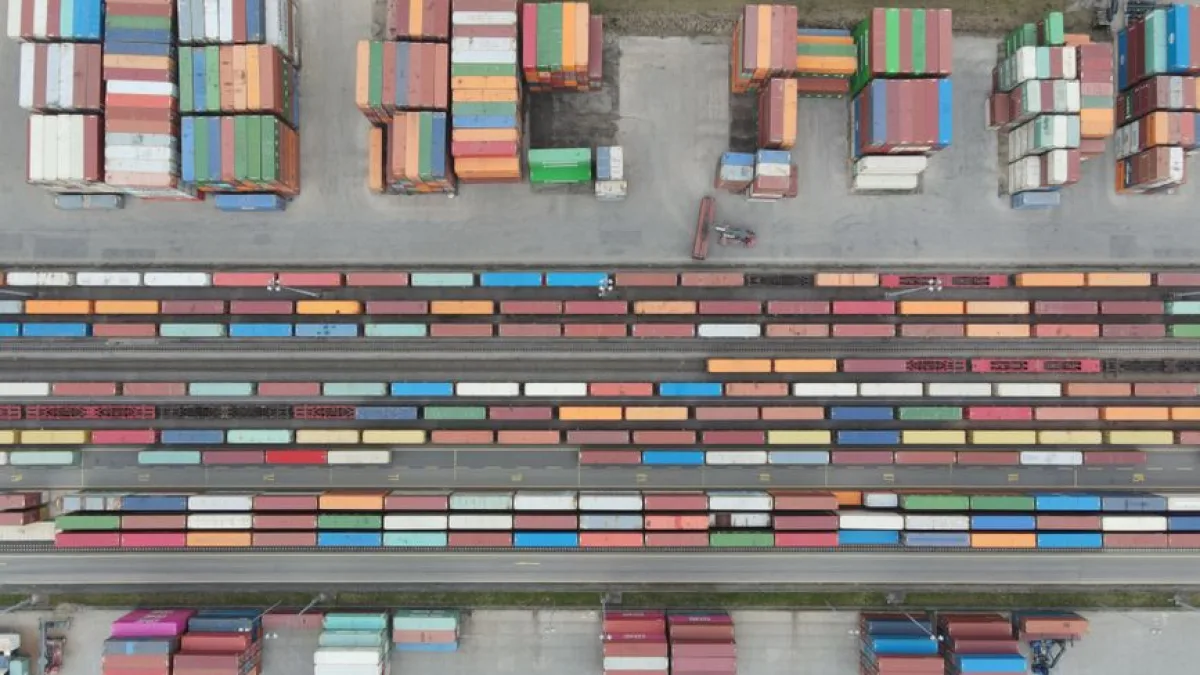
Integrating automated data systems allows forwarders to replace repetitive manual entry with fluid digital processes. By connecting disparate software environments, companies ensure that shipment details move accurately from origin to destination without human intervention, significantly boosting overall operational speed and efficiency.
- Seamless API Connectivity: Modern freight software platforms utilize open APIs to bridge the gap between carrier systems and internal tools, ensuring that data flows instantly without any manual intervention.
- Reduced Manual Errors: By eliminating repetitive data entry tasks, forwarders can minimize the risk of typos and miscommunications that often lead to expensive shipping delays and customer disputes.
- Real-Time Data Sync: Automated systems ensure that all stakeholders view the exact same shipment status, providing a single source of truth that simplifies decision making and improves coordination.
- Enhanced Scalability Options: As your shipping volume grows, cloud-based integrations handle the increased data load effortlessly, allowing your team to focus on strategic growth rather than administrative maintenance.
Adopting these automated workflows empowers your team to handle complex logistical challenges with ease. Instead of spending hours chasing down tracking updates or manually updating spreadsheets, your staff can focus on high-value tasks that drive client satisfaction and business profitability. This transition to automation is the primary driver for modern logistics companies looking to scale their operations while maintaining high accuracy and service levels.
Harnessing Real-Time Cargo Visibility
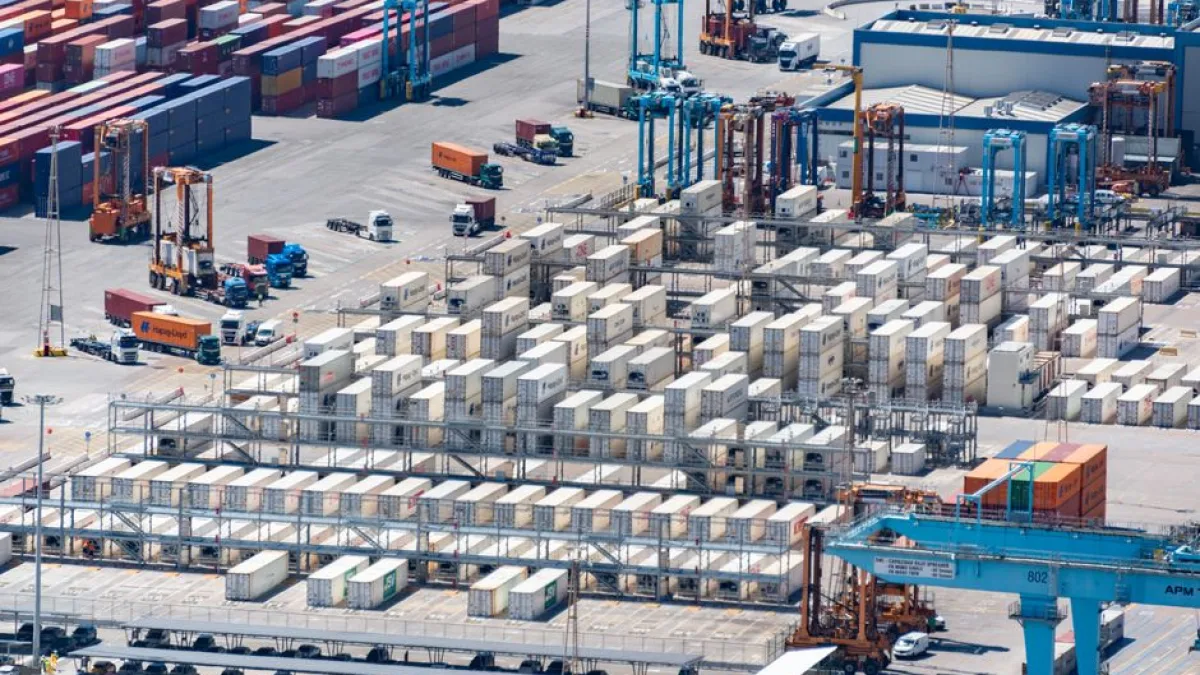
Visibility is the new currency in the world of modern freight forwarding. Advanced tracking integrations provide granular insights into cargo movement across ocean and land, allowing forwarders to proactively manage exceptions and keep their clients fully informed throughout the transport lifecycle.
- Live Tracking Updates: Advanced GPS and AIS integrations allow freight forwarders to provide clients with precise, real-time location data for their shipments, enhancing overall transparency and service reliability.
- Proactive Exception Management: Automated alerts notify your operations team the moment a delay occurs, allowing you to suggest alternative routes before the shipment becomes a major problem.
- Detailed Status Logs: Comprehensive tracking history provides clear visibility into every stage of the journey, helping forwarders manage client expectations by documenting every single transit milestone effectively.
- Direct Client Portals: Sharing live tracking data through secure customer portals builds significant trust and reduces the constant volume of status inquiry emails reaching your desk.
Proactive visibility serves as a key differentiator in a crowded logistics market where clients demand constant updates. By providing a transparent view of the supply chain, you demonstrate professional reliability and operational excellence. This level of service fosters long-term client retention, as partners feel secure knowing that their shipments are monitored around the clock by a dedicated and technologically advanced logistics team.
Streamlining Financial Management Systems

Financial health is vital for freight forwarders, and integrating accounting modules with operational software ensures that billing is accurate and timely. This synergy eliminates discrepancies between shipping costs and invoices, creating a transparent flow of money across all your departments.
- Automated Invoice Creation: Generate accurate invoices immediately upon shipment completion, ensuring that your billing process matches the actual services performed without requiring manual reconciliations from the accounting department.
- Integrated Payment Gateways: Secure online payment integrations allow your clients to settle invoices instantly, significantly improving your company cash flow and reducing the time spent on collections.
- Dynamic Currency Conversion: Handle multi-currency shipments with ease through intelligent financial integrations that automatically calculate exchange rates, protecting your margins from unexpected fluctuations in the global economy.
- Audit Ready Reports: Financial systems generate detailed documentation that simplifies compliance and tax reporting, making it much easier to maintain accurate records for all your international shipping operations.
Tying your financial operations to your logistics platform transforms how you track company profitability. By having a clear view of costs and revenues in one centralized location, management can make informed decisions about pricing strategies and service offerings. This integrated approach to finance reduces administrative overhead and ensures that your business remains fiscally healthy and prepared for any future expansion or market changes.
Strengthening Global Compliance Standards

Navigating the complex maze of international trade regulations requires precision and speed. Tech-driven integrations ensure that your documentation stays compliant with customs requirements, reducing the risk of cargo seizures or heavy fines while streamlining the clearance process for your clients.
- Digital Documentation Storage: Securely archive all mandatory shipping documents in a cloud-based repository, ensuring that every file is easily accessible and organized for any future audit or customs request.
- Automated Customs Filing: Direct integrations with government customs portals allow for fast and accurate electronic declarations, preventing common errors that lead to costly detention or demurrage fees locally.
- Sanction Screening Tools: Automatically check all parties involved in a shipment against restricted and denied entity lists, ensuring that your company adheres strictly to international trade safety laws.
- Standardized Regulatory Forms: Use pre-filled templates that align with international standards, helping your staff generate accurate paperwork quickly and efficiently regardless of the specific destination or product types involved.
Maintaining strict compliance is essential for the reputation and longevity of any professional freight forwarder. By leveraging digital tools to manage complex regulatory requirements, you protect your business from legal risks and operational disruptions. This commitment to accuracy and security gives your clients peace of mind, knowing that their goods are handled by a partner that prioritizes safety and professional integrity above everything else.
Conclusion

Integrating technology into your freight forwarding business is a critical step toward achieving operational excellence and market leadership. By automating data flows, improving visibility, and ensuring financial and regulatory compliance, your team can focus on delivering exceptional service. Start modernizing your operations today to build a resilient, efficient, and growth-oriented future for your logistics company in this increasingly competitive digital global marketplace.