Modernizing Freight Logistics Through Smart Cloud Integrations
Thursday, July 23 2026

The global logistics landscape is undergoing a massive digital transformation that demands agility and real-time visibility. Freight forwarding professionals are increasingly moving away from legacy systems to embrace cloud-based platforms that centralize operations, documentation, and communication. By integrating disparate software tools into a single ecosystem, forwarders can eliminate manual data entry, reduce human error, and gain actionable insights into their supply chain performance. This shift is not merely about adopting new technology but about fundamentally changing how businesses interact with carriers, agents, and clients. Embracing these advanced integrations is the key to maintaining a competitive edge in a fast-paced market.
Centralized Data Architecture

A centralized platform serves as the single source of truth for your entire logistics operation. By breaking down data silos, teams can access critical shipment details instantly from any location, ensuring that everyone remains aligned throughout the complex freight lifecycle.
- Seamless Data Sync: Automated connections between your transport management software and accounting modules ensure that billing and invoicing remain accurate without requiring manual input or tedious data verification processes.
- Unified Communication Hub: Integrated messaging tools allow teams to share critical updates directly within shipment files, which eliminates the need for endless email threads and reduces communication delays significantly.
- Real-time Dashboard Visibility: Comprehensive data displays provide an immediate overview of shipment status, carrier performance, and profit margins, allowing management to make data-driven decisions for future growth and efficiency.
- Secure Cloud Storage: Storing all documentation in a protected cloud environment prevents file loss, improves disaster recovery capabilities, and ensures that sensitive shipping information remains accessible only to authorized personnel.
Adopting a centralized architecture transforms the daily workflow of your team by reducing administrative overhead significantly. Instead of hunting for information across various folders and platforms, staff can focus on high-value tasks that drive revenue and improve customer satisfaction. This transition builds a resilient foundation that allows your business to scale operations effectively while maintaining high standards of data integrity across all global offices.
Automated Workflow Management

Automated workflows take the burden of repetitive tasks off your employees by using smart triggers. By automating standard operating procedures, your staff can dedicate their energy to managing exceptions, handling client relationships, and developing complex routing strategies for unique cargo.
- Trigger-based Notifications: Smart systems automatically alert relevant stakeholders when specific milestones occur, such as cargo arrival or customs clearance, which keeps customers informed without constant manual intervention by agents.
- Standardized Process Flows: Enforcing consistent operational steps across your entire organization ensures that every shipment is handled with the same level of precision and quality regardless of the team involved.
- Automated Document Generation: The software pulls data directly from orders to create accurate bills of lading and commercial invoices, which minimizes the risk of errors associated with repetitive manual typing.
- Exception Management Alerts: Intelligent algorithms flag potential delays or routing issues before they escalate, providing your team with the opportunity to intervene early and resolve problems before clients notice any disruptions.
Workflow automation serves as the engine that powers scalable freight forwarding businesses in the digital age. By reducing reliance on manual oversight for routine tasks, companies significantly decrease their operational costs while increasing overall speed of service. This approach minimizes the risk of human oversight errors, ensuring that every document is processed correctly and that your clients receive professional, consistent updates at every stage.
Carrier and API Connectivity
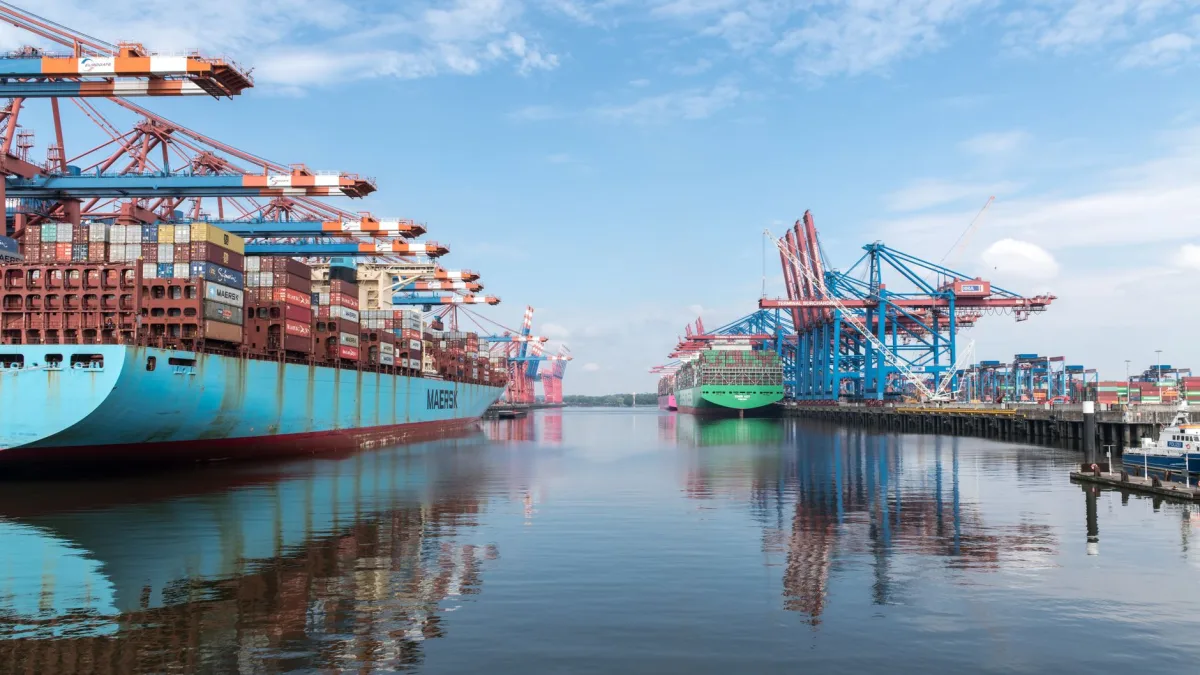
Connecting directly with carriers through robust API integrations enables the exchange of information without middleman friction. These digital bridges allow freight forwarders to pull schedules, booking statuses, and tracking data directly from carrier systems into their own internal management tools.
- Direct Carrier Bookings: Sending booking requests directly from your software to carrier platforms reduces lead time and eliminates the confusion often associated with manual submissions via web portals or emails.
- Live Tracking Feeds: Automated status updates provide precise tracking information for sea, air, and land shipments, giving your customers the transparency they deserve during the entire journey of their cargo.
- Instant Rate Quoting: API access to carrier tariffs allows your team to generate accurate quotes for clients in seconds, ensuring that pricing is always competitive and based on current market availability.
- Digital Documentation Exchange: Electronic transmission of manifests and arrival notices ensures that customs brokers and port authorities receive required paperwork faster, which helps to accelerate cargo release at destination ports.
Strategic carrier connectivity is essential for forwarders who want to offer a premium, modern experience to their customers. By leveraging live data streams, your firm provides unparalleled transparency that differentiates your services from competitors who still rely on manual tracking requests. This technological advantage not only saves countless hours of administrative work but also solidifies your reputation as a reliable and transparent logistics partner.
Scaling Through Strategic Integrations

The true power of cloud software lies in its ability to grow with your firm through third-party integrations. Whether you need accounting software, CRM tools, or customs compliance modules, a modular platform allows you to build a custom stack tailored to your needs.
- CRM Tool Integration: Syncing customer relationship management tools with your freight platform ensures that sales teams have full visibility into shipment history, which helps in identifying upselling opportunities effectively.
- Accounting Suite Links: Direct integration with enterprise accounting software ensures that your financial records are always updated in real time, simplifying month-end closing and tax reporting for your finance team.
- Customs Module Plugins: Seamlessly connecting with regional customs filing systems saves your team from double-entry errors and speeds up the entire compliance process for international shipments arriving at different borders.
- Third-party App Support: Open API frameworks allow your IT team to connect specialized software tools that solve unique operational challenges, keeping your tech stack flexible and ready for future changes.
Scaling a freight forwarding business requires a technology stack that is both flexible and robust. By utilizing strategic integrations, you create a customizable environment that adapts as your service offerings and geographic reach expand. This modular approach protects your investment, ensuring that you can swap or add components as technology evolves, keeping your operations lean, efficient, and perfectly optimized for long-term industry growth.
Conclusion

Investing in advanced technology and cloud integrations is a critical necessity for freight forwarders aiming to succeed in an increasingly complex digital landscape. By streamlining your internal processes and embracing automated data flows, you prepare your organization for future challenges while delivering superior value to clients. Review your current software stack today and explore how integrated cloud solutions can elevate your operational efficiency and service quality.