Modernizing Freight Operations in the Digital Age
Tuesday, September 29 2026
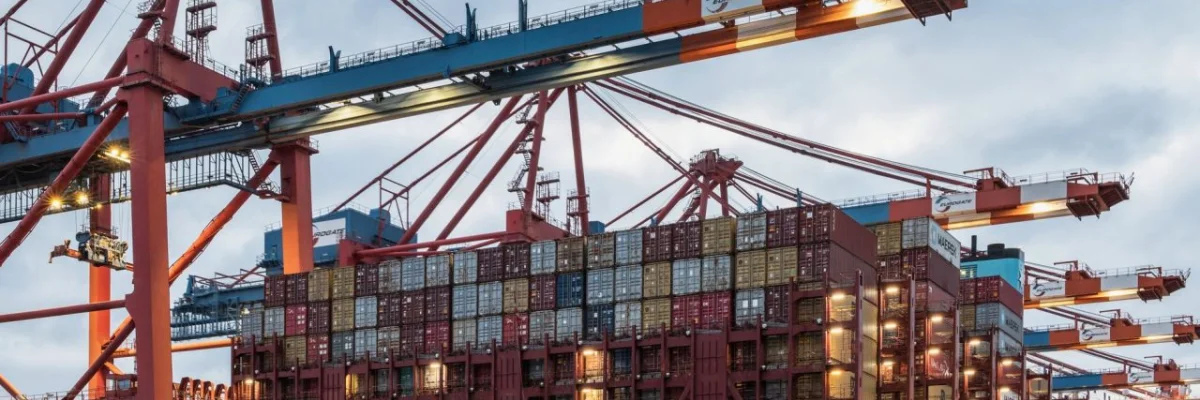
The global logistics landscape is undergoing a massive transformation driven by rapid technological adoption and changing consumer expectations. As freight forwarders navigate volatile markets, the ability to maintain visibility and efficiency becomes the primary differentiator for long term success. Transitioning from legacy manual systems to integrated cloud based platforms is no longer a luxury but a necessity for survival. This article examines how forward thinking logistics firms are leveraging data to reduce overhead costs, optimize shipment routes, and provide unparalleled service quality to their clients in an increasingly competitive and interconnected international trading environment.
Automation in Warehouse Operations

Modern warehouses are rapidly integrating automation to handle the surging volume of global trade. By utilizing advanced robotics and AI driven sorting systems, forwarders can ensure that cargo is processed with speed and accuracy, significantly reducing the risks of human error.
- Robotic sorting systems: Automated conveyor belts and robotic arms help categorize inventory with surgical precision, allowing staff to focus on high level management tasks rather than repetitive manual sorting labor duties.
- Inventory management software: Digital tracking tools synchronize real time data across your entire network, ensuring that stock levels remain optimized while preventing costly delays during the high pressure loading process.
- Scalable cloud platforms: Building your infrastructure on cloud based software allows your warehouse operations to scale quickly during peak seasons without requiring massive capital investment in physical hardware upgrades.
- Smart scanning devices: Handheld scanners integrated with freight software provide instant updates on cargo status, enabling teams to respond immediately to changes in shipment schedules or container arrival times.
Implementing these automated solutions transforms how freight companies perceive their operational capacity. By removing manual bottlenecks, organizations create a seamless flow of goods from the warehouse floor to the final destination. This transition not only boosts overall productivity but also fosters a culture of innovation that attracts top tier talent, ultimately solidifying the position of your firm as a dominant player in the industry.
Real Time Shipment Visibility
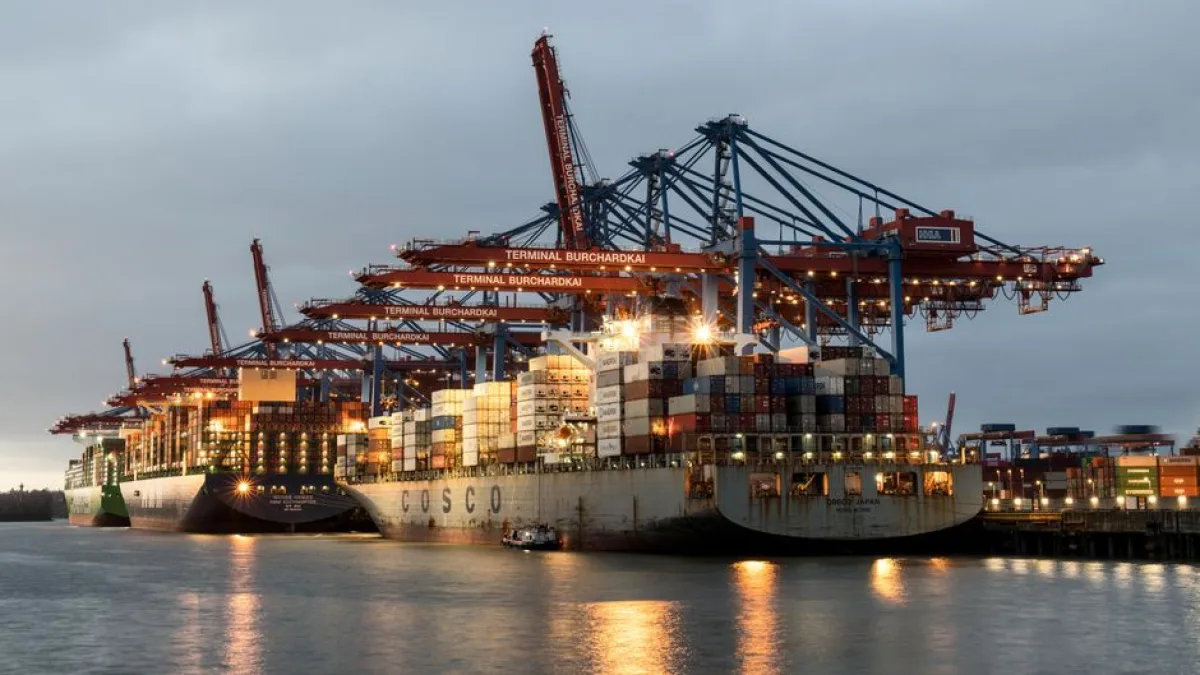
Transparency is the backbone of trust in modern logistics. Clients now demand constant updates on their shipments, requiring forwarders to move beyond basic emails and implement live tracking portals that provide accurate, reliable, and instant transit data updates.
- Live tracking portals: Providing customers with a branded web portal offers peace of mind by showing exactly where their cargo is located at any given moment during the journey.
- Predictive arrival insights: Data analytics allow your team to forecast potential delays caused by weather or port congestion, giving you the chance to proactively communicate solutions to your clients.
- Automated status alerts: Customizable notification settings ensure that stakeholders receive timely updates via email or SMS, keeping all parties informed without requiring manual intervention from your office staff.
- Digital document access: Storing invoices, bills of lading, and customs forms in a secure, accessible cloud environment simplifies the retrieval process for both internal teams and your clients.
Enhanced visibility tools empower forwarders to build stronger relationships with their customer base. By offering a high level of transparency, you demonstrate a commitment to service excellence that builds long term loyalty. Furthermore, having accurate information readily available at your fingertips allows for faster decision making when unexpected issues arise. These capabilities are essential for thriving in a volatile market where information represents true value.
Optimizing International Trade Routes
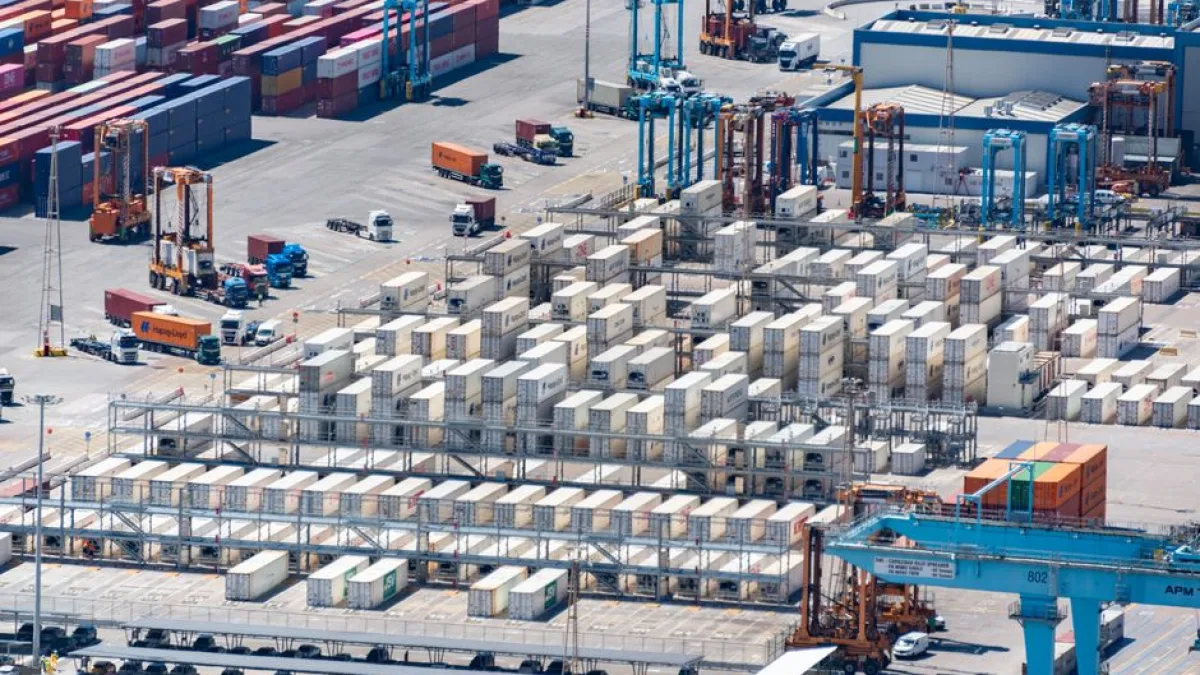
Optimizing trade routes is an essential practice for forwarders looking to cut costs and reduce transit times. By analyzing historical traffic data and current port performance metrics, teams can plan smarter paths for their cargo shipments worldwide.
- Historical data analysis: Reviewing years of shipment data helps your logistics team identify patterns and select the most efficient carriers or routes for specific regions during different seasons.
- Port performance tracking: Keeping a close eye on port congestion levels globally enables you to redirect shipments to secondary hubs, thereby avoiding long wait times for docking.
- Fuel efficiency planning: Advanced software tools suggest routes that minimize fuel consumption, which helps reduce the environmental footprint of your logistics operations while simultaneously lowering your total shipping expenses.
- Carrier performance metrics: Monitoring the reliability of various shipping lines allows you to prioritize partnerships with companies that consistently hit their delivery deadlines and maintain high standards.
Optimizing your network is a continuous journey that requires constant monitoring and adjustment. When you invest in route optimization tools, you move from a reactive mode to a proactive strategic mindset. This shift allows your freight forwarding business to maximize profit margins while delivering superior speed to your clients. As global trade routes evolve, your ability to adapt remains your greatest competitive advantage.
Enhancing Cybersecurity for Data

Data is the most valuable asset in logistics, but it is also a prime target for digital threats. Implementing robust cybersecurity measures is vital to protect sensitive client information and ensure that your cloud software remains secure and compliant.
- Multi factor authentication: Adding an extra layer of security to your software login process effectively blocks unauthorized access attempts and keeps your company data safe from bad actors.
- Regular software updates: Frequently updating your platforms ensures that your systems include the latest security patches to defend against newly discovered vulnerabilities in the digital environment today.
- Data encryption standards: Protecting all client communications and financial documents with industry standard encryption ensures that information remains unreadable to hackers even if it is intercepted during transfer.
- Employee security training: Educating your workforce on how to identify phishing attempts or suspicious links is the first line of defense in maintaining a secure digital freight workspace.
Security is not just a technical issue, but a critical component of your overall business reputation. A single data breach can destroy years of hard work and erode customer trust in an instant. By prioritizing cybersecurity, you provide a safe environment where your clients can conduct their business with total confidence, knowing that their most sensitive trade data is guarded by modern protections.
Conclusion
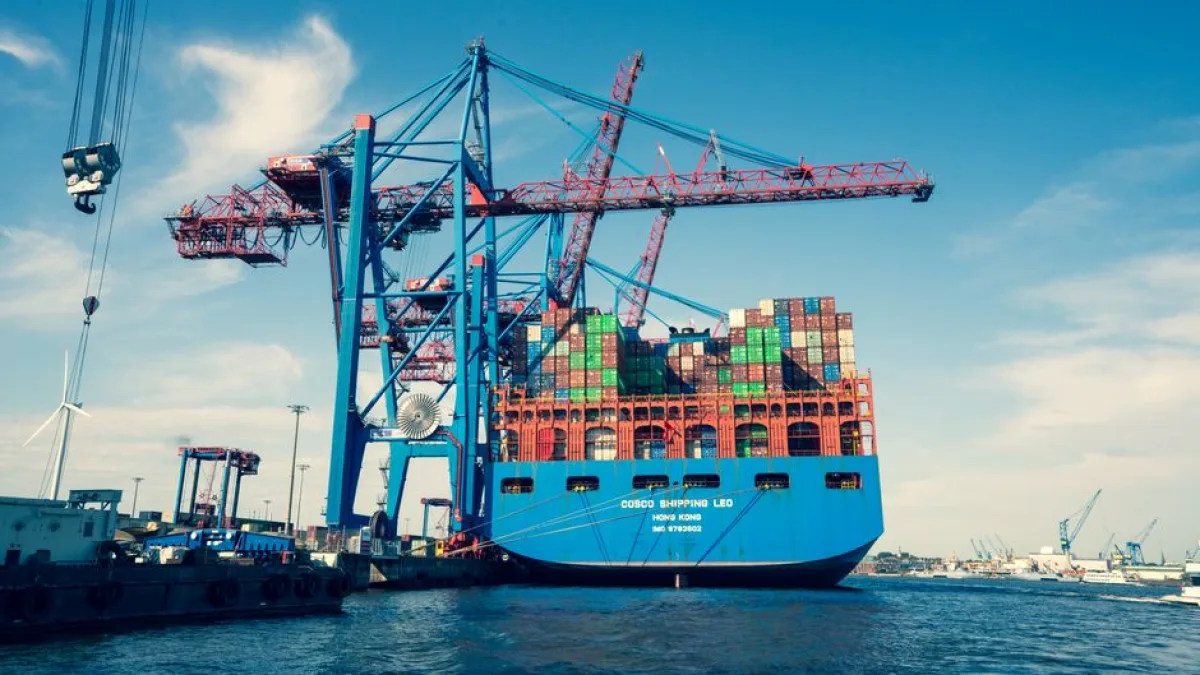
The future of the freight forwarding industry belongs to those who embrace digital transformation with enthusiasm. By adopting automation, ensuring visibility, optimizing routes, and securing data, companies can overcome modern challenges and achieve sustainable growth. Start small by upgrading your core software platform to see immediate improvements in your operational efficiency. Success in the global market is achievable when the right technology supports your vision.