Modernizing Freight Operations in a Digital-First Global Market
Saturday, August 29 2026
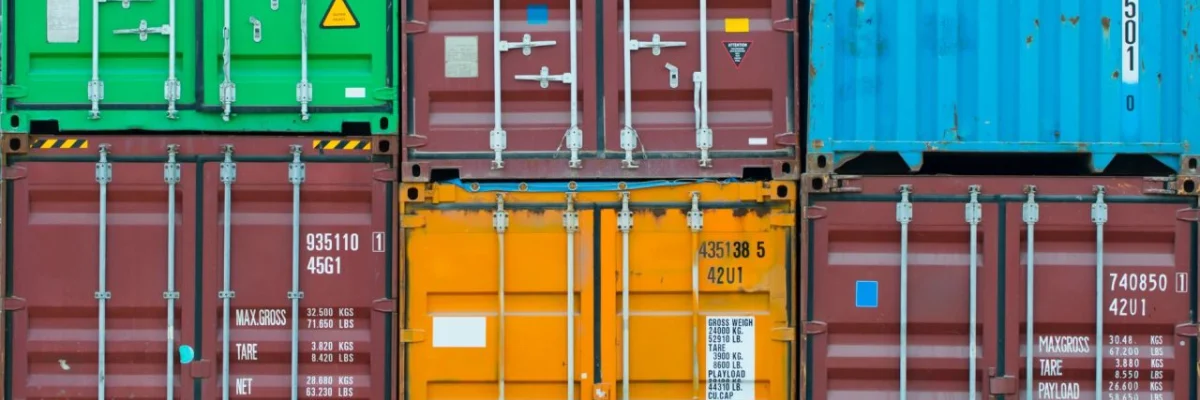
The global logistics landscape is undergoing a profound transformation as freight forwarders move away from legacy manual processes toward integrated digital ecosystems. As supply chain volatility becomes the new normal, the ability to access real-time data is no longer a luxury but a fundamental requirement for operational resilience. Freight forwarding professionals are now tasked with balancing increased cargo volumes against a backdrop of complex regulatory requirements and fluctuating carrier capacity. Adopting scalable cloud-based solutions is the most effective strategy for firms looking to maintain a competitive advantage while reducing administrative overhead and human error in their daily booking cycles.
Optimizing Warehouse Throughput Efficiency

Efficient warehouse management serves as the backbone of successful freight operations. By integrating advanced scanning technology and automated inventory tracking, forwarders can ensure that cargo movement remains seamless from the moment it enters the facility until its departure to final destinations.
- Automated inventory tracking: Implementing real time visibility tools allows staff to locate pallets instantly while reducing the time spent on manual physical counts during busy shipping periods throughout the year.
- Streamlined picking routes: Digital path optimization reduces the walking distance for warehouse personnel which significantly increases the number of units processed per hour during critical peak export seasons.
- Hardware integration capabilities: Modern software platforms sync perfectly with handheld scanners and barcode readers to eliminate data entry mistakes caused by traditional paper-based workflows in hectic depots.
- Predictive space allocation: Advanced algorithms analyze historical data to forecast warehouse density levels allowing teams to maximize existing floor space without needing costly extra storage facilities.
Transforming your warehouse operations through technology enables faster turnarounds and higher customer satisfaction rates. When your team spends less time searching for misplaced items, they can focus on high-value tasks that contribute to your bottom line. Investing in modern scanning hardware alongside cloud software creates a unified environment that scales effectively as your business grows and your cargo volume continues to increase.
Navigating Complex Customs Compliance

Compliance management remains a significant challenge for international forwarders operating across diverse borders. Utilizing automated filing systems helps firms adhere to stringent local regulations while minimizing the risk of costly penalties or long delays at major international trade checkpoints.
- Automated filing systems: Electronic submission modules send customs declarations directly to authorities to ensure accuracy and reduce the processing time associated with manual entry of complex freight documents.
- Real time regulation updates: The software monitors global trade policy changes and alerts your team to necessary documentation adjustments before your cargo arrives at busy border crossings.
- Standardized compliance checks: Built-in validation rules prevent common data entry errors by flagging missing information or incorrect tariff codes before they reach the national customs authorities directly.
- Digital audit trails: Maintain a secure and accessible record of every declaration made over the past several years to simplify the process during external compliance audits.
Staying ahead of international trade regulations requires a proactive approach to document management. By leveraging cloud platforms that prioritize compliance, your freight firm can mitigate risks associated with cross-border shipping while building trust with your clients. Reliable data handling ensures that shipments move smoothly through customs, keeping your promises to customers and preserving your reputation as a dependable logistics partner worldwide.
Enhancing Carrier Communication Channels
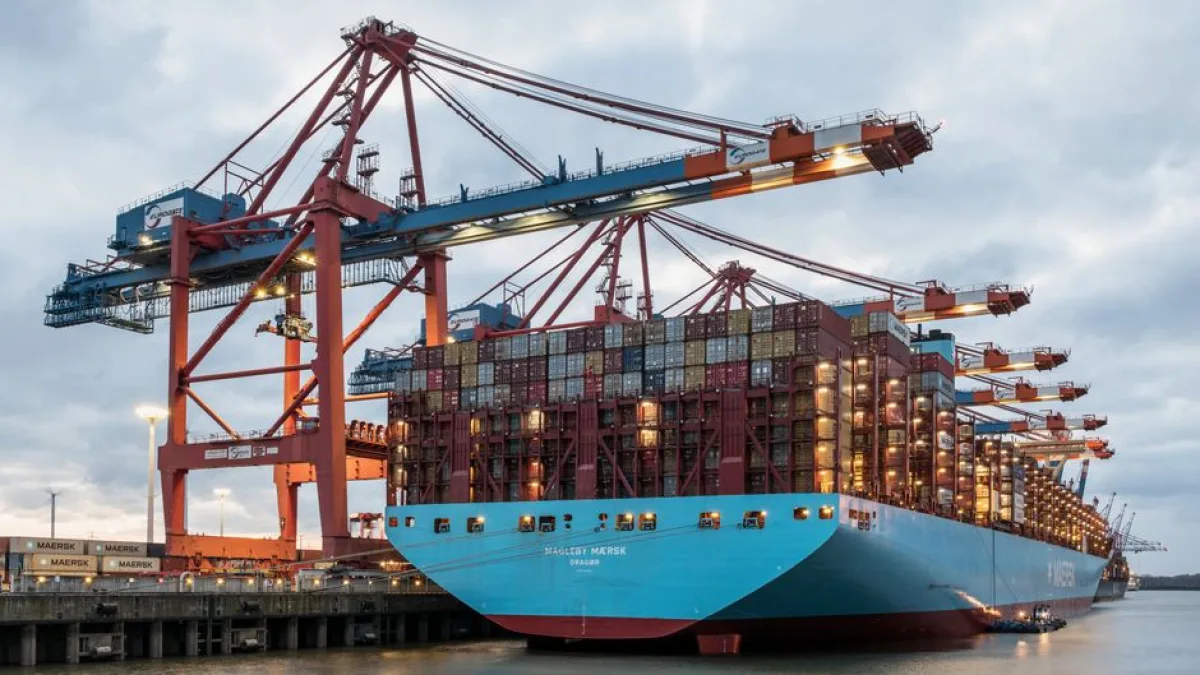
Strong relationships with ocean and air carriers are essential for securing capacity during periods of extreme market tightness. Digital communication portals provide a centralized hub for managing carrier interactions and securing space allocations with far greater transparency and speed.
- Centralized communication hubs: Replacing scattered email threads with a single portal allows for clear and fast correspondence with carrier representatives regarding specific bookings or urgent shipment changes.
- Automated status updates: Instant notifications for major milestones keep your carrier partners and internal teams aligned regarding the exact location of cargo across all ocean freight legs.
- Capacity bidding tools: Access live carrier rate databases to compare options instantly which helps your team choose the most cost-effective shipping routes for every client shipment.
- Document sharing security: Encrypted file transfers ensure that sensitive carrier contracts and freight invoices remain safe while making the exchange of essential shipping documents entirely paperless today.
Improving the quality of communication with your carriers will lead to faster response times and more reliable service for your customers. When information flows freely and securely between all stakeholders, the logistics chain becomes significantly more responsive to sudden market changes. Investing in better digital tools for carrier management is a smart move for long-term growth and operational stability for your team.
Leveraging Advanced Data Analytics

Data is the most valuable asset for any modern freight forwarder seeking to improve profitability. Extracting meaningful insights from your daily operations allows for smarter decision making regarding pricing strategies and carrier selection, ensuring your business stays profitable in competitive markets.
- Custom performance reports: Generate detailed dashboards that highlight the efficiency of your routes and the reliability of your carriers to help your team make informed business choices.
- Predictive pricing models: Utilize historical freight rate trends to anticipate future cost fluctuations allowing your sales team to provide accurate quotes that protect your company profit margins.
- Client profitability analysis: Identify which accounts provide the highest value for your firm while highlighting areas where service costs may be rising faster than the revenue generated.
- Operational efficiency monitoring: Track the time taken to complete key tasks such as bill of lading preparation to identify bottlenecks that slow down your entire team workflow.
Turning raw shipping data into actionable strategy is the key to thriving in the modern logistics landscape. By consistently reviewing performance metrics, your leadership team can refine processes and eliminate waste across the organization. This commitment to data-driven operations ensures that every shipment contributes positively to your goals while providing clients with the professional service they expect from a leading provider.
Conclusion
Digital transformation provides the necessary tools for forwarders to handle the increasing complexity of global trade. By centralizing operations, ensuring compliance, and utilizing data, you can build a resilient business that scales seamlessly. Start your journey toward full digital integration today to secure your competitive edge. Reach out to the MakeCargo team to learn how our software simplifies your daily freight management tasks.