Modernizing Freight Operations in a Changing Logistics Market
Tuesday, August 25 2026
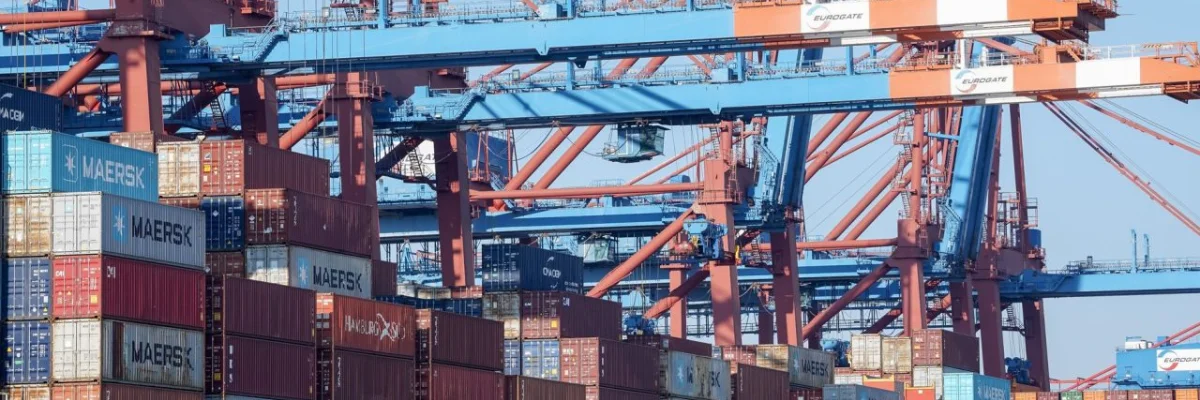
The global logistics landscape faces unprecedented shifts driven by geopolitical instability and rapidly evolving consumer demands. Freight forwarders are currently navigating a complex environment where traditional manual processes are no longer sufficient to maintain a competitive edge. As cargo volumes fluctuate and supply chain transparency becomes a top priority for shippers, the adoption of advanced cloud technology is moving from an optional advantage to a fundamental business necessity. Firms that proactively embrace digital transformation will find themselves better positioned to weather upcoming market volatility while delivering superior value to their global client base in this new era.
The Impact of Digital Automation

Digital transformation focuses on eliminating manual entry errors that have historically slowed down international freight workflows. By automating documentation and carrier communications, forwarders can reclaim hours of administrative labor, allowing their skilled teams to focus on high-value strategic decision-making tasks.
- Improved Data Accuracy: Automated systems minimize the risk of human error during data entry, ensuring that critical documents like bills of lading and invoices remain consistent across all platforms.
- Reduced Processing Time: Leveraging automated workflows allows logistics teams to handle higher volumes of shipments without increasing overhead costs or sacrificing service quality for their valued customers.
- Enhanced Communication Flow: Digital tools facilitate real time updates between agents, shippers, and carriers, creating a transparent ecosystem that prevents miscommunications and reduces unnecessary delays in shipment tracking.
- Operational Scalability: Cloud-based platforms allow forwarding businesses to scale their operations quickly, enabling them to expand into new markets without needing a massive increase in internal IT staff.
Optimizing these core workflows provides a solid foundation for growth in competitive markets. By removing the friction associated with traditional paperwork, companies can transition their focus toward customer relationship management and long term service improvements. This shift not only builds trust with shippers but also ensures that the organization remains resilient against unexpected shifts in global trade patterns or sudden disruptions in local supply networks.
Real Time Visibility Solutions

Providing customers with instantaneous shipment tracking is a baseline requirement for modern logistics companies. Advanced software platforms now integrate directly with carrier feeds to ensure that stakeholders always have a clear view of their cargo status at every turn.
- Carrier Data Integration: Modern software integrates with multiple shipping lines to pull live status updates, eliminating the need for staff to manually log into various carrier websites.
- Client Tracking Portals: Customizable portals empower shippers to access their own shipment data independently, which reduces the volume of status inquiry emails sent to your operations team.
- Proactive Delay Alerts: Automated notifications warn forwarders about potential bottlenecks before they impact delivery schedules, enabling quick rerouting and better management of client expectations throughout the journey.
- Comprehensive Analytics Dashboards: Analytical tools transform raw tracking data into actionable insights, helping freight managers identify recurring route issues and negotiate better rates based on historical shipment performance.
Visibility serves as the bridge between freight forwarders and satisfied shippers who require total transparency. By implementing robust tracking features, companies demonstrate professionalism and reliability in a crowded industry. This level of technical maturity prevents information gaps and encourages repeat business, as customers feel secure knowing that their valuable freight is being monitored by a system that prioritizes speed and extreme accuracy.
Managing Complex Global Compliance

International trade regulations are increasingly stringent, requiring forwarders to maintain meticulous records to avoid fines and customs delays. Digital compliance management protects your business while streamlining the movement of goods across borders for all your shipping clients.
- Document Centralization: Secure cloud storage ensures that all necessary customs documentation is organized and accessible, significantly reducing the stress of sudden audits or customs inspections at port.
- Automated Regulatory Updates: Integrated compliance modules automatically update your database to reflect current international trade laws, ensuring your team remains informed about shifting import and export requirements.
- Risk Mitigation Strategies: Software flags incomplete or incorrect paperwork before it reaches customs authorities, which prevents expensive shipment holds and maintains a positive relationship with regulatory bodies.
- Streamlined Audit Trails: Detailed logging features track every change made to a file, providing a transparent history that simplifies the auditing process for your internal compliance department.
Compliance is a critical pillar that supports the legitimacy of your forwarding operations. When firms leverage technology to manage legal requirements, they effectively mitigate risk while accelerating the customs clearance process for their clients. A proactive stance on documentation not only prevents costly penalties but also reinforces your reputation as a trusted partner in the complex world of international maritime and air freight.
Building Resilience Through Technology

Building resilience requires a strategic approach to technology adoption that favors long-term stability over short-term gains. By choosing cloud-based platforms that grow with your company, you ensure that your infrastructure supports your goals in a fast-paced environment.
- Cloud Infrastructure Flexibility: Using cloud software ensures your team can access critical data from anywhere in the world, which is essential for global operations and remote work.
- Data Security Measures: Robust encryption and secure cloud servers protect sensitive client information from cyber threats, ensuring that your company maintains high standards of data privacy.
- Interdepartmental Connectivity: Shared digital platforms break down silos between finance, sales, and operations, creating a unified workspace that promotes better collaboration across the entire forwarding organization.
- Continuous System Improvements: Leading software providers push frequent updates to their platforms, ensuring that your technology stays modern without requiring expensive, time-consuming manual upgrades by your team.
Resilience is defined by the ability to adapt to unforeseen changes without losing operational momentum. By investing in modern freight software, forwarders create a flexible business model that is prepared for growth and challenge. Staying ahead of industry trends allows you to deliver consistent results, keeping your operations lean and your clients happy, regardless of how the global economic landscape shifts in future years.
Conclusion

Success in modern freight forwarding depends on the intelligent integration of digital tools into daily operations. By embracing automation, real time visibility, and robust compliance management, you can enhance your service offerings while keeping costs low. Evaluate your current software stack today to identify areas for improvement and secure your position as a forward-thinking leader within the global logistics and shipping industry.