Modernizing Freight Operations Through Smart Technology Integration
Wednesday, July 29 2026
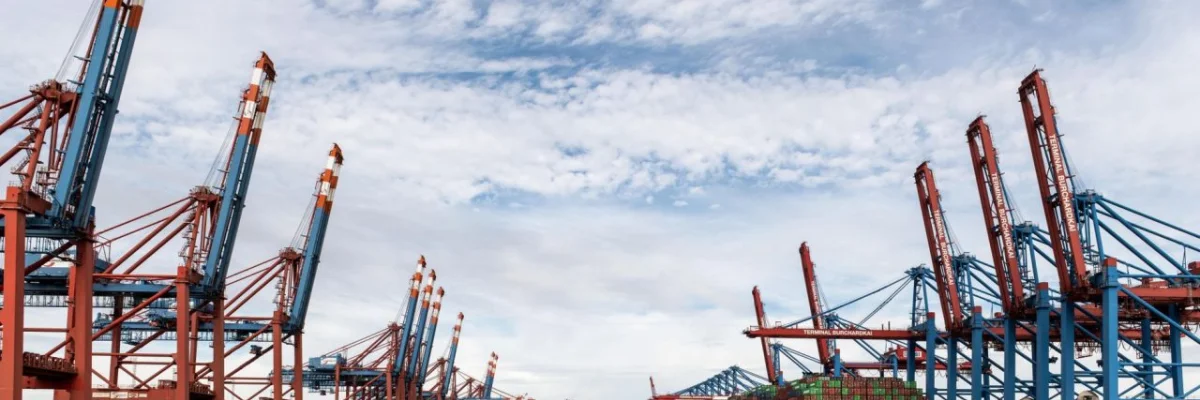
The global logistics landscape is shifting rapidly as freight forwarders face increasing pressure to provide transparency and speed. Moving away from legacy systems and manual data entry is no longer optional for businesses aiming to remain competitive in a digital first economy. By adopting integrated cloud software, logistics providers can automate complex workflows, minimize costly human errors, and offer real time visibility to their global client base. This transition empowers teams to focus on strategic growth rather than administrative burdens, ensuring that your firm remains agile and responsive to the evolving demands of modern supply chain management and international trade.
Centralized Data Management

Consolidating disparate data streams into a single cloud platform allows your operations team to view shipment progress without switching between multiple spreadsheets or disjointed legacy programs, effectively creating a single source of truth for every cargo movement across the globe.
- Seamless Information Sync: Synchronize your client communications and shipment documents instantly across your entire network to ensure every stakeholder has access to the most accurate and up to date logistics information.
- Reduced Manual Entry: Eliminate repetitive administrative tasks by automating data population from carrier portals directly into your internal systems, which significantly lowers the risk of human transcription errors during booking.
- Enhanced Data Accuracy: Maintain high standards of documentation quality by utilizing system enforced validations that catch inconsistencies or missing information before documents are sent to customs authorities or partners.
- Scalable Cloud Storage: Leverage secure digital storage solutions that grow with your business volume, providing rapid access to historical shipment data and compliance records whenever they are needed for audits.
- Unified Reporting Tools: Generate comprehensive performance analytics across all shipping lanes with a few clicks, enabling management to identify bottlenecks and optimize resource allocation based on actual live data.
By centralizing your freight data, you transform how your team interacts with information on a daily basis. This structure removes the friction often caused by silos and ensures that everyone is working from the same foundation. Improved data integrity not only speeds up internal processing times but also builds significant trust with your customers through consistent and professional service delivery every time.
Automated Carrier Connectivity
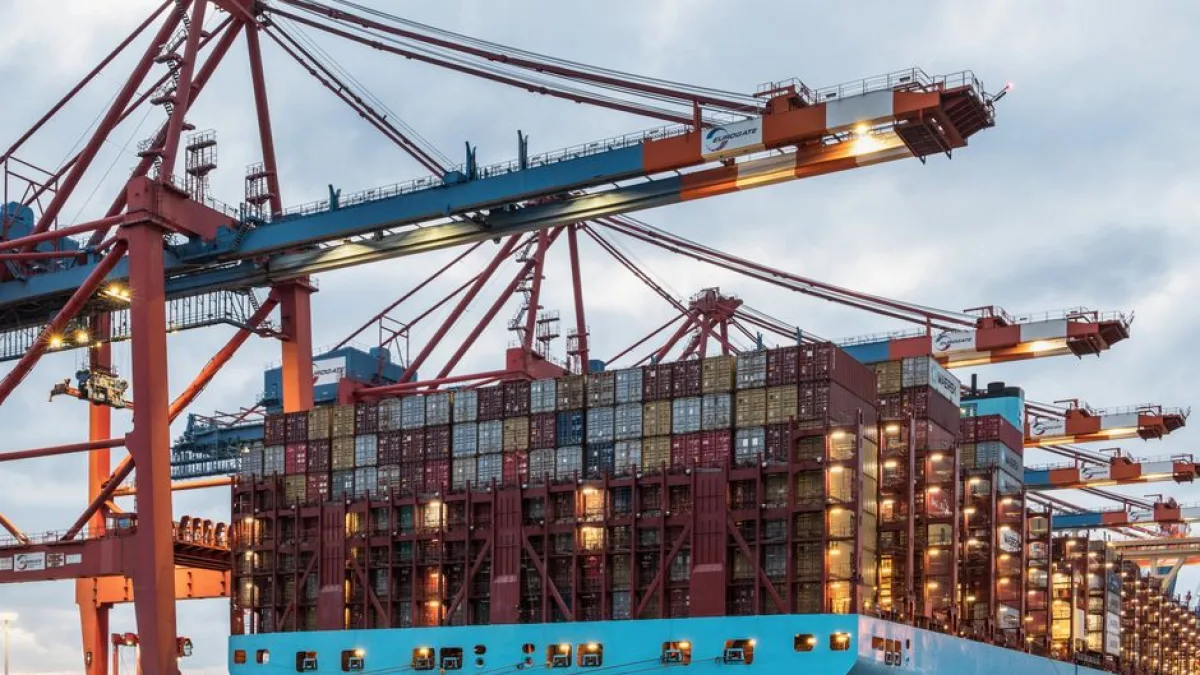
Establishing direct digital links with carriers and shipping lines is the cornerstone of modern logistics technology, allowing for automatic status updates and electronic booking requests that replace outdated email chains and slow manual communication methods between your operational departments.
- Instant Booking Confirmation: Receive rapid electronic responses to your booking requests from carriers, which allows your team to secure space on vessels and flights far faster than using traditional methods.
- Real Time Tracking: Monitor every container or air shipment with automated milestone updates that flow directly into your dashboard, providing accurate visibility for your customers at all times.
- Electronic Data Exchange: Implement standardized messaging protocols to share essential shipment details with carriers, ensuring that documentation flows smoothly through every stage of the transit and customs process.
- Dynamic Schedule Monitoring: Gain early alerts regarding potential vessel delays or schedule adjustments, allowing your team to proactively notify clients and suggest alternative routing solutions to maintain service levels.
- Optimized Freight Procurement: Compare carrier rates and capacity in real time within your platform to select the most cost effective or efficient shipping options for your specific client needs.
Connectivity acts as the backbone of your modern freight forwarding business by bridges the gap between your platform and the global transport network. These automated interfaces reduce the reliance on human intervention for status updates, freeing your logistics coordinators to focus on solving complex exceptions rather than manually tracking down ship arrival times or port clearance details.
Customs Compliance Integration

Navigating the complex world of international trade requires precise documentation, and integrating customs compliance tools directly into your forwarding software ensures that every filing is accurate and submitted on time to avoid expensive penalties and border delays.
- Automated Tariff Classification: Access global HS code databases directly within your workflow to ensure accurate product classification, which helps in calculating correct duties and taxes for your international customers.
- Electronic Filing Capabilities: Submit customs declarations digitally to government agencies through integrated API connections, significantly reducing the turnaround time for clearance compared to older paper based filing methods.
- Regulatory Update Alerts: Stay informed about changing trade regulations and safety requirements with automated system notifications that highlight potential risks before you even initiate a new shipment booking process.
- Document Compliance Checks: Utilize built in verification logic that reviews your customs paperwork against regional mandates, flagging incomplete fields or incorrect data before submission to relevant authorities or ports.
- Audit Trail Logging: Keep a detailed and permanent record of every customs interaction and filing, providing your business with complete protection and clarity during mandatory trade compliance audits.
Integrating compliance tools into your primary operations platform creates a robust defense against costly regulatory errors. It enables your staff to handle customs clearance with confidence and precision, regardless of the complexity of the shipment or the destination country. This digital approach transforms a typically stressful administrative requirement into a streamlined part of your normal daily workflow operations.
Financial Workflow Automation

Linking your freight forwarding operations directly to accounting modules ensures that operational milestones trigger accurate billing, which dramatically shortens your cash conversion cycle and improves overall company health by eliminating the gap between service delivery and final invoicing.
- Milestone Triggered Billing: Automate the generation of invoices as soon as specific shipment milestones are met, ensuring that your finance team gets paid faster without needing manual intervention for every.
- Expense Management Accuracy: Capture carrier invoices and local charges within the system to ensure that all costs are allocated correctly to the right project, improving your profit margin visibility.
- Multi Currency Handling: Manage complex international financial transactions easily with automated currency conversion and tax calculation features that adapt to your specific client and carrier base requirements across regions.
- Streamlined Payment Portals: Offer your clients secure and user friendly digital payment options that integrate with your platform, making it simpler for them to settle balances quickly and efficiently.
- Financial Reporting Insights: Access real time dashboards that show exactly how your freight operations are impacting your bottom line, giving you the ability to make better informed decisions.
Automating your financial processes closes the loop on the shipment lifecycle by connecting operational effort to actual revenue collection. This integration removes the traditional lag between completing a delivery and sending the invoice, which is essential for maintaining healthy cash flow. By relying on software to handle these financial interactions, you reduce the risk of billing oversights and errors significantly.
Conclusion

Adopting advanced technology and system integrations is the most effective way to modernize your freight forwarding business. By centralizing data, automating carrier communication, ensuring compliance, and linking financials, you position your firm for sustainable growth in a digital market. Start evaluating your software today to discover how these digital tools can streamline your operations and deliver superior service to your growing customer base.