Modernizing Freight Operations through Advanced Technology and Integrations
Monday, September 21 2026

The global logistics landscape is undergoing a massive transformation driven by rapid digitization and the need for unprecedented operational agility. For freight forwarders, relying on legacy spreadsheets and disjointed communication channels is no longer a viable strategy for long term survival. By embracing modern cloud based platforms like MakeCargo, forwarders can break down data silos and create a unified workflow that connects every stakeholder in the supply chain. This shift towards integrated technology is not just about keeping pace with competitors but about creating a scalable foundation that empowers your team to deliver superior value to customers everywhere.
Seamless Connectivity Solutions

Modern platforms leverage advanced APIs to bridge the gap between fragmented software systems. By ensuring that your transport management system communicates effortlessly with customs portals and carrier gateways, you eliminate redundant manual entry tasks and significantly reduce the potential for costly human errors.
- Automated Data Syncing: Real time information synchronization ensures that every department works with identical datasets, effectively eliminating communication bottlenecks and preventing misaligned expectations across your internal global operational teams.
- API Driven Integration: Connecting your core software with carrier networks allows for instant updates on bookings and tracking, which removes the need for constant email chains and manual portal checks.
- Unified Communication Hubs: Centralized dashboards allow teams to collaborate on specific shipments, providing a single source of truth that keeps internal staff and external partners aligned on current milestones.
- Scalable System Architecture: Cloud based systems grow alongside your company volume, allowing you to add new integrations or modules without the need for extensive hardware upgrades or expensive infrastructure investments.
Adopting these connectivity solutions fundamentally changes how your firm manages daily volume. By replacing manual touchpoints with automated digital handshake processes, your staff gains valuable time to focus on complex logistical challenges rather than mundane data entry. This transition not only enhances your operational efficiency but also provides the visibility required to satisfy modern clients who demand accurate tracking and instant shipping updates.
Enhanced Visibility and Reporting
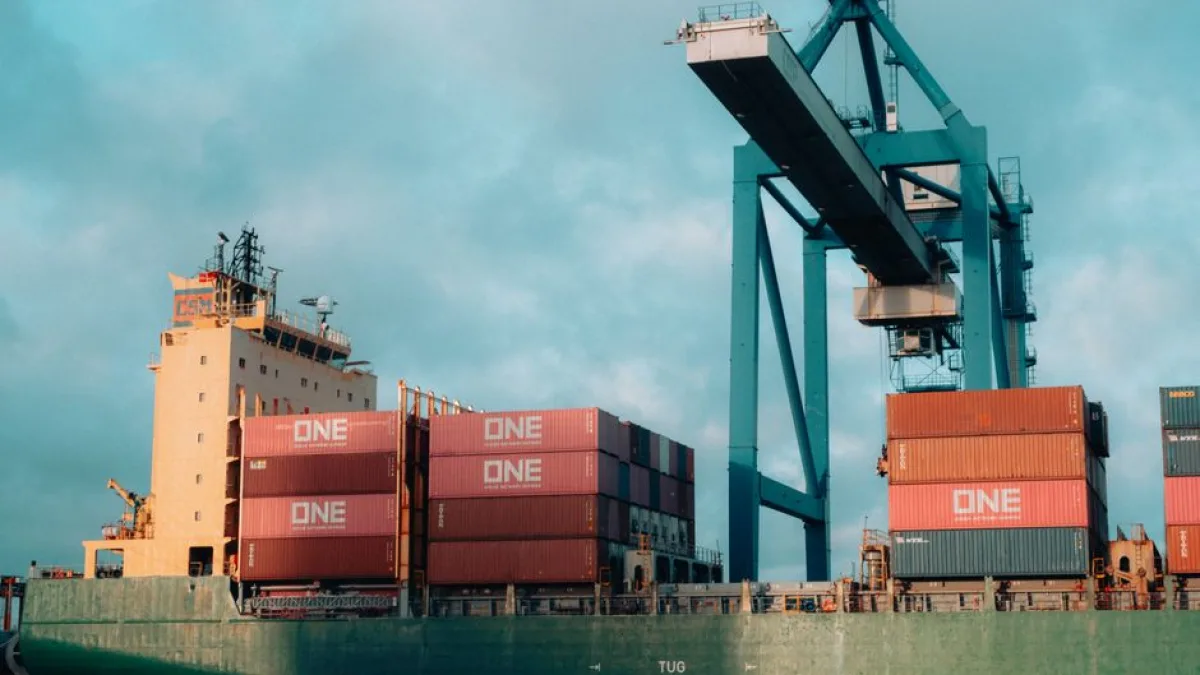
Real time shipment visibility is now a basic expectation for every shipper in the market. Utilizing integrated freight software grants you the power to monitor container movements and status updates directly from a single screen throughout the entire shipping journey.
- Live Tracking Dashboards: Access comprehensive mapping tools that display shipment locations at any given moment, ensuring you can proactively manage delays and keep your customers informed about cargo status.
- Customizable Report Generation: Automated analytics tools help you identify performance trends, allowing your management team to make data driven decisions that optimize routes and lower your overall operating costs.
- Predictive Milestone Alerts: Smart notification systems alert your team to potential transit issues before they escalate, enabling faster resolution and improved customer service across your entire logistics operation.
- Performance Metric Tracking: Monitor carrier reliability and lane costs through integrated analytics to ensure you are consistently providing the most efficient transport solutions for your diverse client base.
Gaining deep visibility into your freight operations allows for proactive problem solving that preserves client trust. When you can pinpoint issues before they become crises, you elevate your brand as a reliable partner in a volatile market. These robust reporting tools provide the necessary insights to refine your internal processes continuously and ensure that your business stays profitable during periods of high demand.
Streamlining Documentation Workflows

Paperwork remains one of the largest obstacles to efficient freight forwarding today. Digitizing your documentation workflow through a cloud platform reduces processing time significantly, allowing you to move shipments through customs and transit points with far greater speed and precision.
- Paperless Document Storage: Securely archive every bill of lading and customs form in a centralized cloud repository, making it easy for your staff to retrieve essential files during audits.
- Digital Signature Integration: Accelerate the approval process by utilizing integrated electronic signature tools, which eliminate the need for printing, scanning, or mailing physical documents to your many partners.
- Automated Form Population: Intelligent templates automatically pull data from your existing bookings to fill out shipping forms, ensuring consistency and drastically cutting down on repetitive administrative work for staff.
- Secure Access Control: Define specific permissions for different user roles to ensure that sensitive documents are only visible to authorized employees and external partners during the workflow.
By moving to a paperless environment, you achieve higher levels of accuracy while cutting down on environmental waste. Automated documentation workflows enable your staff to handle more shipments without needing to expand your headcount, thereby increasing your margins. This investment in digital agility ensures that your back office remains as efficient as your ground operations, creating a truly balanced and productive forwarding company.
Optimizing Financial Operations

Financial health is the backbone of any successful freight forwarding business. Integrated platforms streamline your billing and invoicing processes, ensuring that your accounts receivable and payable are handled with absolute accuracy and professional speed across all international currencies and jurisdictions.
- Integrated Billing Cycles: Automatically generate invoices as soon as shipment milestones are met, ensuring that your cash flow remains positive while reducing the administrative burden on your accounting team.
- Currency Management Tools: Handle multi currency transactions with ease by utilizing built in exchange rate calculators that keep your financial records accurate and compliant with local tax regulations.
- Automated Payment Reminders: Set up smart triggers that follow up on outstanding balances, helping you maintain a healthy cash flow and reducing the effort required for manual collections.
- Expense Tracking Modules: Record every operational cost against specific shipments to ensure that your profitability analysis is accurate and that no revenue leakage occurs during the shipping lifecycle.
Effective financial management is essential for long term growth and stability in the shipping sector. By integrating your accounting tasks into your primary logistics platform, you gain a clear view of your financial health at any time. This total visibility empowers your leadership team to reinvest profits into new technologies or expansion efforts, solidifying your position as a major player within the global industry.
Conclusion

Embracing the right technology is no longer an optional path for freight forwarders. By integrating your daily workflows through a robust platform like MakeCargo, you set your business up for sustained success in a digital first world. Start optimizing your operations by auditing your current tech stack today. Explore how cloud integration can transform your productivity and deliver measurable value to every single customer.