Modernizing Freight Operations with Advanced Tech Integrations
Monday, August 31 2026

The global logistics landscape is undergoing a digital transformation that demands agility and precision from every freight forwarder. As businesses navigate complex supply chain challenges, the reliance on manual processes and disjointed spreadsheets has become a significant bottleneck to growth. Modern platforms like MakeCargo are shifting the paradigm by offering cloud-based solutions that connect disparate systems into a unified ecosystem. By embracing automated workflows and real-time data connectivity, forwarders can enhance their operational efficiency, reduce human error, and provide superior transparency to clients. This transition is not merely an optional upgrade but a strategic necessity for remaining competitive in today's fast-paced international trade environment.
Seamless Data Connectivity

Integrating diverse software tools creates a cohesive data environment that eliminates information silos across departments. This connectivity ensures that every stakeholder remains informed, preventing costly communication gaps while accelerating the movement of goods from origin to the final destination point.
- API Integration Power: Leverage robust application programming interfaces to link your core platform with carriers and customs authorities for instantaneous data exchange and minimized manual data entry time.
- Unified Data Streams: Consolidate tracking updates and financial documents into a single dashboard to provide your team with a complete view of every active shipment lifecycle.
- Reduced Manual Errors: Automated data syncing between your software and external partner systems eliminates typing mistakes that often lead to expensive customs delays and compliance audit issues.
- Real Time Syncing: Maintain consistent information across all operational touchpoints to ensure your staff always views the most current status updates for every individual freight consignment.
Achieving seamless connectivity serves as the backbone of a high performing logistics enterprise. By removing the friction associated with data migration and manual input, your business can reclaim hundreds of hours previously spent on administrative reconciliation. This digital synergy empowers your workforce to focus on high value tasks such as client relations and strategic planning, ultimately driving greater profitability and sustainable long-term growth.
Automated Documentation Workflows
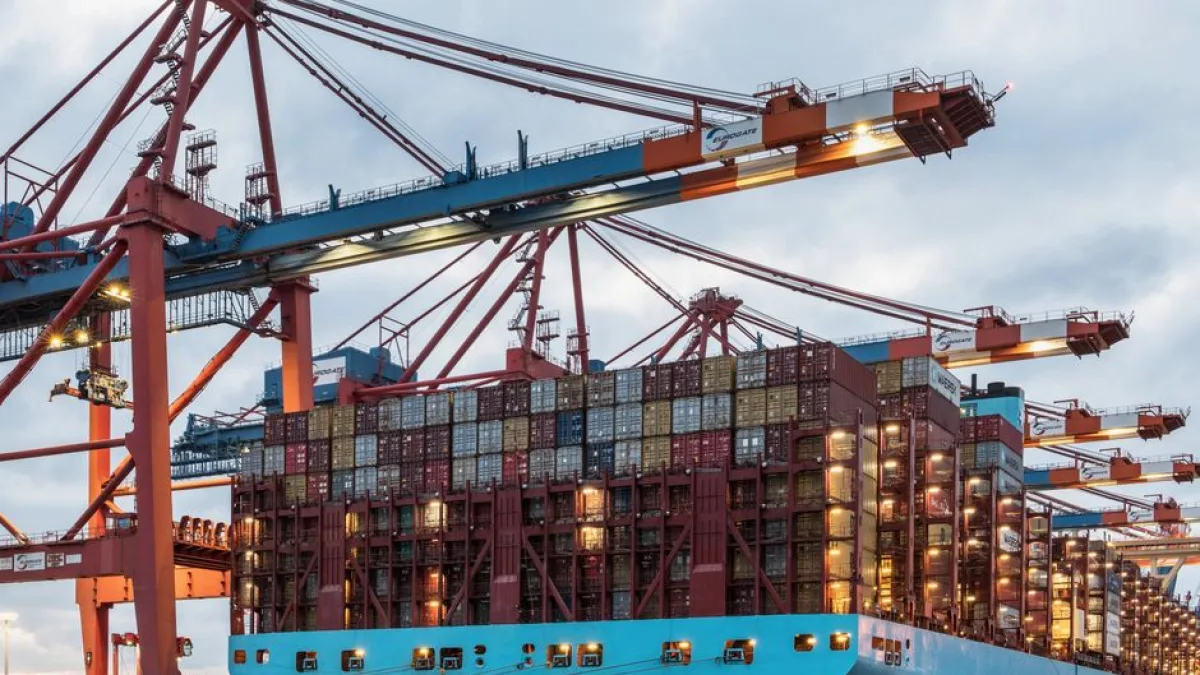
Document management is often the most time-consuming aspect of freight forwarding, frequently involving multiple iterations and manual revisions. Digitizing these workflows ensures that bills of lading, commercial invoices, and packing lists are generated accurately and stored safely for immediate retrieval.
- Smart Document Creation: Use intelligent templates that automatically pull information from your bookings to generate precise shipping documents in seconds, avoiding tedious repetitive form filling exercises.
- Version Control Systems: Ensure your team works from the latest file versions by using cloud-based storage that tracks every edit and change made during the transit.
- Secure Cloud Storage: Protect sensitive client data and financial records with advanced encryption protocols that provide audit-ready documentation whenever your business requires quick historical verification.
- Automated Filing Protocols: Organize your logistics documentation through automated tagging systems that group files by shipment ID, client name, or carrier, simplifying your digital document retrieval process.
Streamlined documentation processes are essential for maintaining compliance and speed in international shipping lanes. When your team stops hunting for misplaced emails or legacy files, they can process shipments much faster. This operational agility allows your agency to handle larger volumes without needing additional headcount, providing a scalable framework that supports your growth while maintaining high standards of data integrity and security.
Visibility Through Real Time Tracking
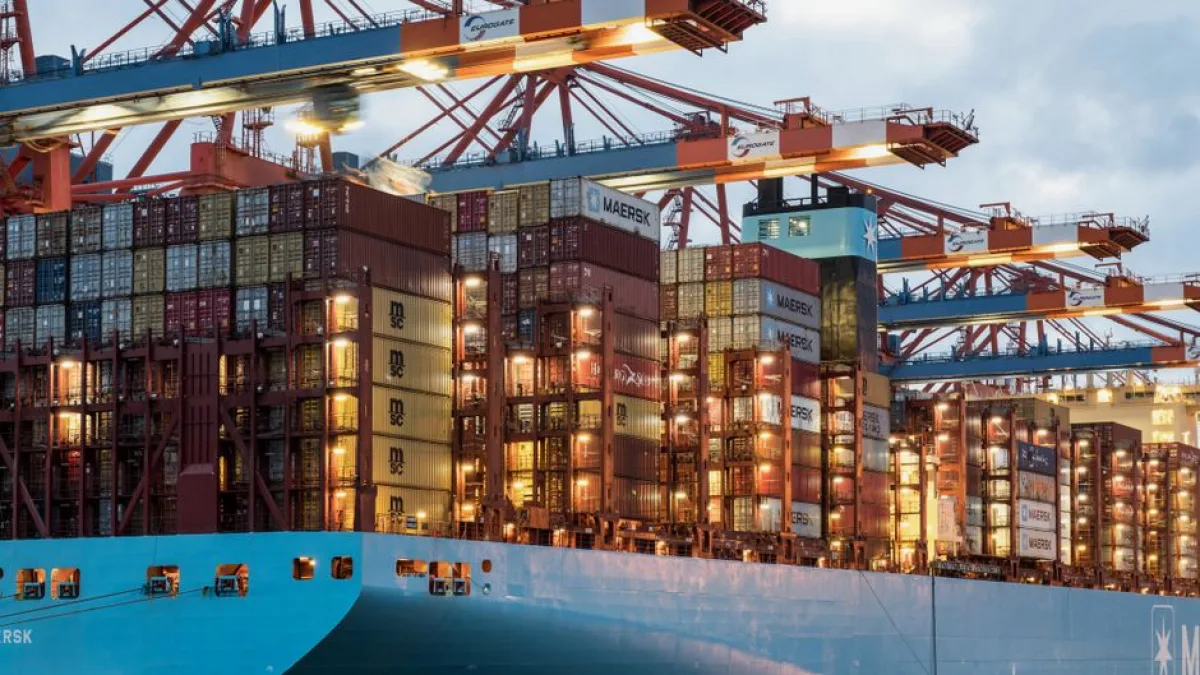
Customers today expect instant visibility into their supply chains at every stage of the journey. Providing clients with live tracking capabilities builds immense trust and differentiates your forwarding services from traditional competitors who lack sophisticated digital monitoring tools today.
- Live Status Updates: Grant clients access to a dedicated portal where they can view exact shipment locations and transit milestones as they happen during global travel.
- Custom Alert Systems: Configure automated email or push notifications that trigger whenever a shipment reaches a critical checkpoint, keeping your customers informed without constant manual updates.
- Carrier Data Integration: Connect directly with global ocean and air carriers to pull live status telemetry that refreshes continuously within your cloud-based platform for total transparency.
- Proactive Problem Resolution: Identify potential transit delays early through real-time monitoring tools, allowing your team to inform clients and propose alternative routes before issues escalate further.
Deep visibility transforms the client experience by shifting the burden of information requests away from your support staff. Instead of fielding dozens of status inquiries daily, your team can utilize automated tools to provide precise answers instantly. This proactive communication style enhances client loyalty, reduces overhead costs associated with customer service, and establishes your firm as a reliable technology-forward partner in logistics.
Scalable Cloud Infrastructure

Moving your operations to the cloud offers unparalleled scalability that adapts to fluctuating market demands and seasonal shipment volume spikes. Cloud-based software provides the flexibility to scale resources up or down without the burden of maintaining expensive on-premise hardware infrastructure.
- Global Access Points: Enable your employees to work securely from any location globally, fostering a flexible remote work environment that maintains productivity regardless of the current office.
- Instant System Updates: Benefit from automatic platform improvements and security patches delivered by your cloud provider, ensuring your business always utilizes the latest industry-leading technology features.
- Elastic Resource Scaling: Adjust your system usage based on current peak periods, allowing your company to handle high shipping volumes during busy months without incurring service outages.
- Enhanced Data Security: Utilize enterprise-grade protection features like multi-factor authentication and regular backups that safeguard your business assets from common cyber threats and physical data loss.
Adopting a cloud-first strategy provides the agility needed to weather market volatility while keeping your operational costs predictable. By offloading technical maintenance to your software provider, your internal teams remain focused on core logistics goals. This reliable digital foundation supports expansion into new markets, ensuring that your technology evolves alongside your business requirements, providing a distinct competitive edge in an increasingly digital marketplace.
Conclusion

Modernizing your logistics operations through intelligent technology is the most effective way to drive efficiency and client satisfaction in a competitive industry. By integrating your systems, automating essential documents, providing real-time visibility, and leveraging scalable cloud tools, your freight forwarding business can thrive. Start your digital transformation journey with MakeCargo today to streamline workflows and unlock new potential for your entire team.